- 150m Southwards, West DingWei Road, Nanlou Village, Changan Town, GaoCheng Area, Shijiazhuang, HeBei, China
- monica@foundryasia.com
Sep . 30, 2025 10:50 Back to list
Best Cast Iron Skillet for Outdoor Grill: Sear & Versatile?
best cast iron skillet for outdoor grill: field notes from a gear-obsessed cook
If you grill a lot (I do, sometimes too much), a great skillet becomes your secret weapon. Not just for steaks—think blistered shishitos, smash burgers, cornbread. The funny twist: shops that make glorious fondue pots often cast the very skillets we love. China-based foundries, like the folks behind that enamel gear in Hebei, keep raising the bar. And the best cast iron skillet for outdoor grill today balances heat retention, enamel or seasoning quality, and rugged geometry that won’t warp when slammed onto a 700°F grate.
What’s trending (and what actually matters)
Two clear trends: slightly thinner walls for faster preheat (≈3.2–3.6 mm) and durable enamel interiors that behave on grills without sticking like crazy. Preseasoned raw iron still rules for high-heat searing, but light-color enamel helps you see fond and sauces—handy when you’re doing steak-and-pan-sauce on a kettle grill. Many customers say long, vented handles and helper loops are must-haves. I agree—gloves on, balance matters.
| Diameter | ≈ 26–30 cm (10–12 in.) |
| Wall / Base Thickness | ≈ 3.3–3.8 mm / 4.0–5.0 mm |
| Material | Gray iron (ASTM A48 Class 30 or similar EN-GJL-200) |
| Coating | Preseasoned oil polymerization or vitreous enamel (2–3 coats) |
| Heat Limits | Up to ≈ 500–550°F direct; higher tolerated with enamel caution |
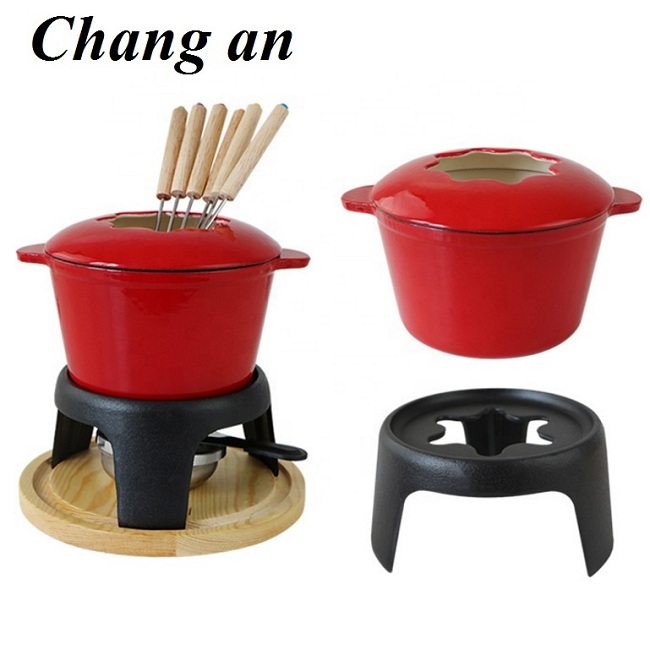
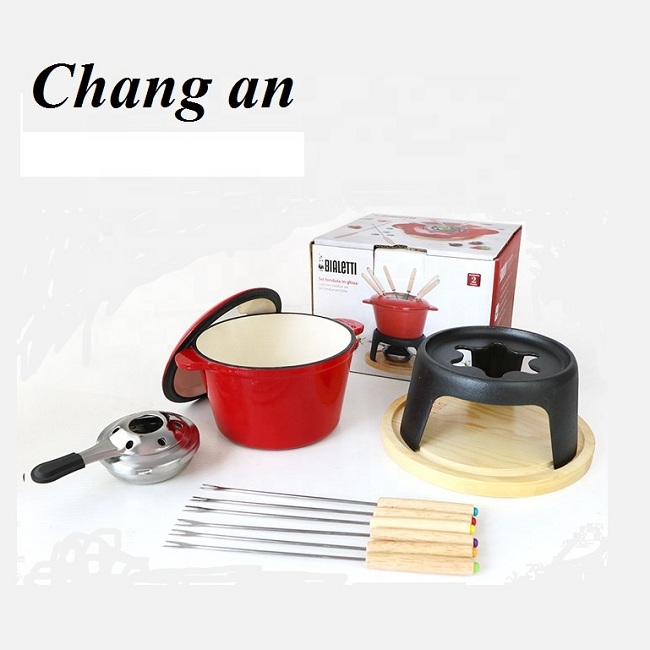
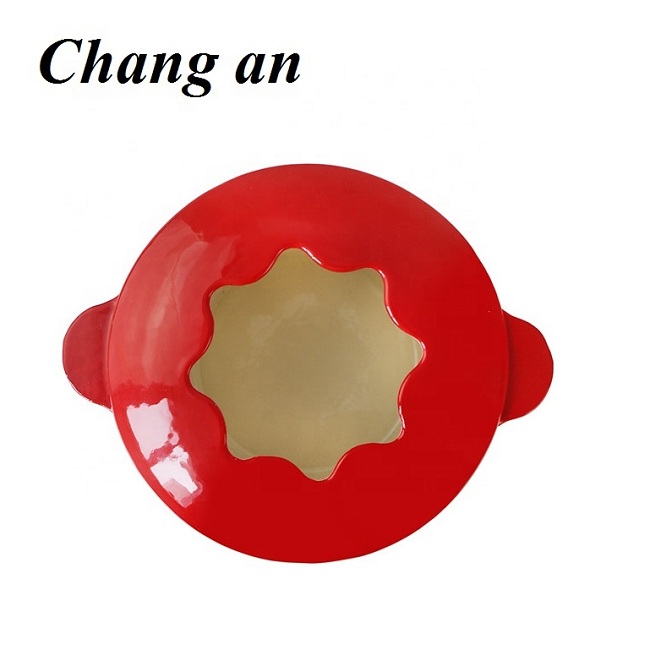
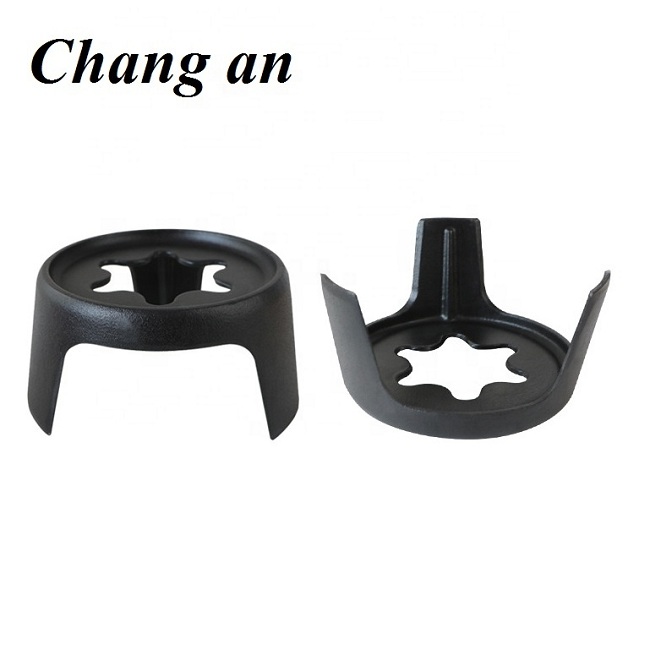
The same foundry expertise shows up in enamelware like their Enameled Cast Iron Fondue Set (Ø16.5 cm, H10 cm; colors red/blue/pink/grey/purple/white/black). Different shape, same metallurgy—and yes, that little pot is brilliant on a grill side-burner for butter or queso. Origin: 150m Southwards, West DingWei Road, Nanlou Village, Changan Town, GaoCheng Area, Shijiazhuang, HeBei, China.
How good skillets are made (short version)
Process flow: charge selection → induction melt → sand casting (ISO 8062 tolerances) → shot blast → machining (flatness ≤0.5 mm) → seasoning or enamel application → enamel firing ≈ 750–820°C → QC. Tests: hardness HB 180–220; coating adhesion per ISO 2409/ASTM D3359; salt-spray (ISO 9227) for enamel; thermal shock (EN 12983-1). Food-contact: LFGB/FDA/GB 4806-compliant glazes. Service life? With sane handling, 10+ years; I’ve seen 20.
Use cases on the grill
- Screaming-hot sear on ribeye, then butter-baste. - Cast-iron cornbread with smoky edges. - Charred asparagus, smashed potatoes, shakshuka. On pellet grills, a pan solves “not-hot-enough” complaints. On kamados, it tames flare-ups. Many customers say the best cast iron skillet for outdoor grill has slightly taller walls to keep peppers from escaping—small detail, big win.
Vendor snapshot (customization matters)
| Vendor | Origin | Customization | Coatings | Indicative Price |
|---|---|---|---|---|
| Hebei Foundry (fondue/skillet lines) | Shijiazhuang, CN | Logo, color, diameter, handle molds | Seasoned, Enamel (matte/gloss) | $$ (OEM, MOQs apply) |
| Lodge | USA | Limited | Preseasoned | $–$$ |
| Le Creuset | FR | Colorways | Enamel | $$$ |
For outdoor grilling, I’d spec a 30 cm pan, helper handle, pour spouts, and either robust seasoning or dark enamel. If you like brand-color vibes, enamel is fun; just avoid metal-on-enamel scraping.
Mini case study
A caterer I worked with swapped three thin steel pans for two cast-iron grill skillets. Preheat hit 230°C in ≈7 minutes on a gas grill; heat drop after adding 600 g steak was only ≈25°C, recovering in 90 seconds. Fuel use dipped around 12% per service because they stopped “chasing heat.” After six months, only cosmetic seasoning touch-ups—no warp, no hotspots. That’s what the best cast iron skillet for outdoor grill looks like in practice.
Quality signals to check
- Flat base; sits flush on a grate. - Even micro-texture; oil beads uniformly. - Certifications: ISO 9001 factory, LFGB/FDA food-contact. - Test data shared (adhesion, thermal shock). If a vendor can also enamel a tiny fondue pot cleanly, they can finish a skillet; that consistency counts.
Citations:
- ASTM A48/A48M – Standard Specification for Gray Iron Castings.
- EN 12983-1: Cookware — Domestic cookware — General requirements.
- ISO 9227: Corrosion tests in artificial atmospheres — Salt spray tests.
- FDA 21 CFR (food contact), and EU Regulation (EC) No 1935/2004 for materials intended to contact food.
- ISO 2409 / ASTM D3359: Paints and varnishes — Cross-cut test (adhesion).
-
China PC Light Cast Iron Wok Traditional Heat with Modern Weight
NewsApr.16,2026
-
Professional Guide to China Cleaning Cast Iron Wok Maintenance
NewsApr.09,2026
-
Explore the Benefits of a China Cast Iron Grilling Wok for Your Kitchen
NewsApr.07,2026
-
China Victoria Cast Iron Wok A Comprehensive Guide to Quality Cookware
NewsApr.04,2026
-
Discover the Superior Quality of China Enameled Cast Iron Wok Cookware
NewsMar.31,2026
-
Discover the Benefits of a China Cast Iron Wok with Lid for Authentic Cooking
NewsMar.28,2026