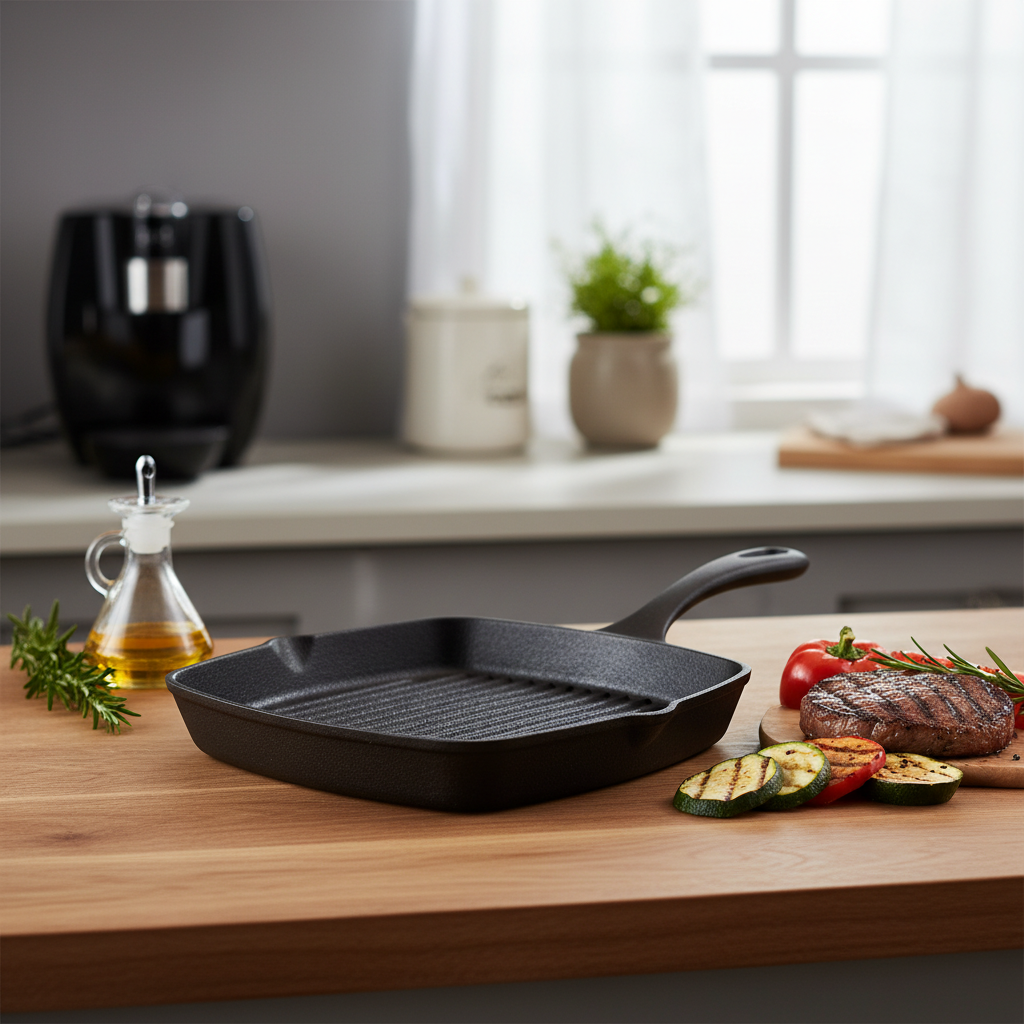
In an era where health-conscious eating is paramount, the shift back to traditional materials like cast iron is not merely a trend but a return to sustainability. The iron paniyaram pan</a > addresses the modern challenge of reducing synthetic non-stick coatings, providing a natural, seasoned surface that improves with age and adds essential minerals to the diet.
Understanding the nuances of this cookware—from its heat retention capabilities to its long-term maintenance—empowers home cooks and professional chefs alike to elevate their gastronomic output. Whether used for traditional snacks or innovative fusion appetizers, the iron paniyaram pan represents a bridge between ancestral wisdom and modern kitchen efficiency.


Beyond heat management, the metallurgical structure of the pan allows for "seasoning"—the process of polymerizing oils into a natural non-stick layer. This organic coating not only prevents food from sticking but also creates a protective barrier against oxidation, making the cookware nearly indestructible if maintained correctly over decades.
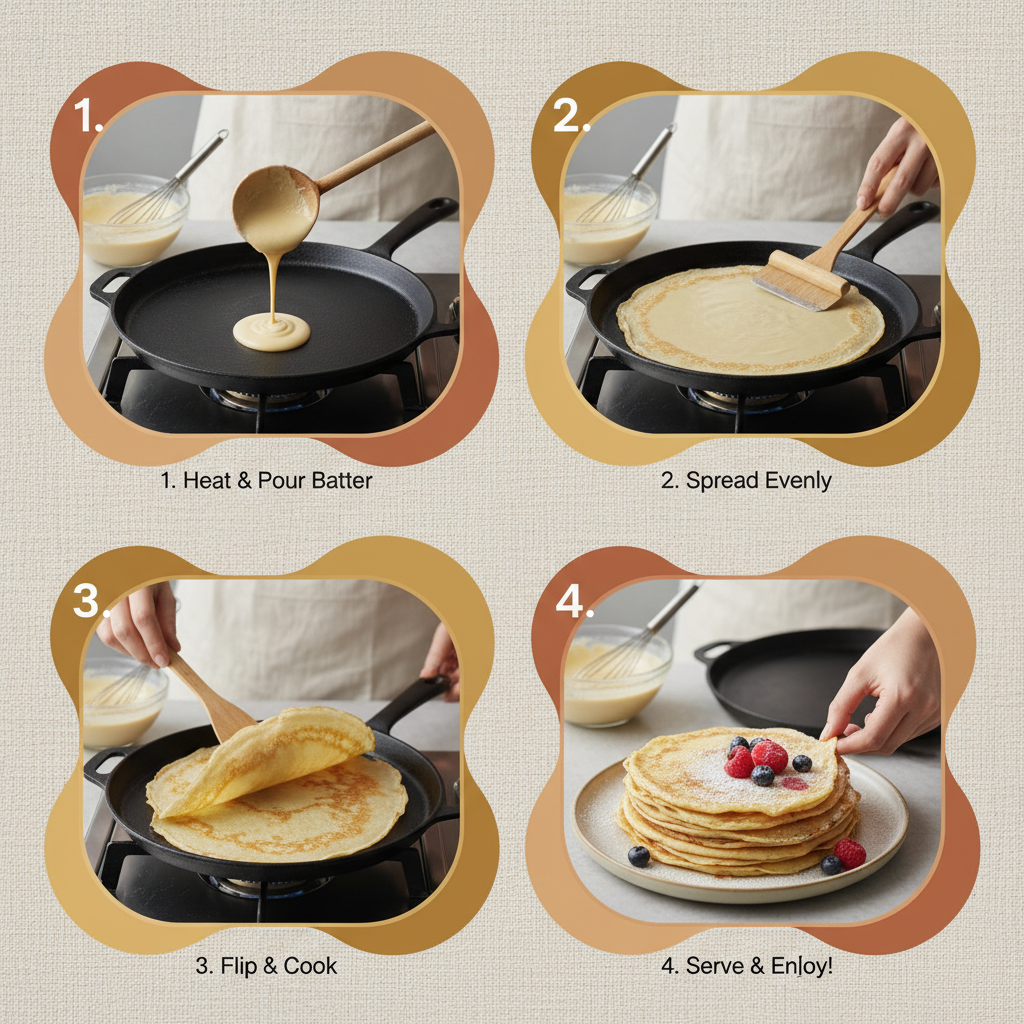
The versatility of the pan has also sparked a culinary revolution. While traditionally used for rice-based batters, international chefs are now using the spherical molds to create everything from mini-pancakes and takoyaki to savory cheese puffs. This adaptability has transitioned the product from a regional specialty tool to a versatile global asset in the modern kitchen.
However, the primary challenge in the global market remains the weight and maintenance associated with cast iron. To address this, manufacturers are focusing on precision casting techniques that maintain the thickness needed for heat retention while optimizing the overall weight, making the iron paniyaram pan</a > more accessible to the casual home cook.
Durability is the cornerstone of a premium iron paniyaram pan. High-grade cast iron resists warping under extreme heat, ensuring that the pan sits flat on gas, electric, or induction cooktops. This structural integrity is vital for uniform heat distribution across all molds.
Precision mold geometry is equally important. Each cavity in the iron paniyaram pan</a > must be perfectly hemispherical with smooth internal walls. This minimizes the surface area where batter can cling, facilitating a seamless release of the food once it is cooked.
Thermal conductivity is the final critical factor. Unlike thin aluminum, a heavy-duty iron paniyaram pan</a > distributes heat slowly and evenly, eliminating "hot spots" that often lead to uneven browning or burnt edges in lower-quality alternatives.
Furthermore, the energy efficiency of cast iron is superior in long-term use. Once the pan is preheated, it requires significantly less energy to maintain the temperature, making it an eco-friendly choice for those looking to reduce their carbon footprint in the kitchen.
In Western gourmet kitchens, the pan is often repurposed for "amuse-bouche" creations. Chefs utilize the precise spherical shapes to create elegant, bite-sized appetizers that offer a surprising contrast between a crispy shell and a molten center, showcasing the pan's versatility beyond traditional Indian cuisine.
From an economic perspective, investing in an iron paniyaram pan</a > is a one-time purchase that lasts a lifetime. Unlike PTFE-coated pans that must be replaced every few years as the coating peels or loses effectiveness, cast iron improves with age. This reduces landfill waste and saves the consumer money over a decade of use.
Sustainability is not just about the material, but the health impact. Cooking with iron can naturally increase the iron content of the food, which is particularly beneficial in regions where iron-deficiency anemia is a public health concern. This adds a layer of humanitarian value to a simple kitchen tool.
Moreover, the psychological value of using "heirloom" cookware cannot be overstated. There is a sense of trust and reliability in a tool that can be passed down through generations, fostering a connection to culinary traditions and a slower, more intentional way of preparing food.
Automation in the manufacturing process, such as precision CNC milling and automated polishing, is allowing for thinner yet stronger pan walls. This ensures the iron paniyaram pan</a > remains lightweight enough for easy handling while retaining its legendary heat-holding properties.
Additionally, the integration of sustainable foundry practices—such as using recycled iron scrap and solar-powered furnaces—is aligning traditional cookware with the global goal of net-zero emissions, ensuring that the tools of the past are compatible with the needs of the future.
| Material Generation | Heat Distribution | Maintenance Level | Lifespan (Years) |
|---|---|---|---|
| Traditional Sand-Cast Iron | Moderate | High (Manual Seasoning) | 50+ |
| Modern Pre-Seasoned Iron | High | Moderate | 50+ |
| Lightweight Alloy Iron | Very High | Low | 20-30 |
| Enameled Cast Iron | High | Very Low | 30+ |
| Carbon Steel Hybrid | Rapid | Moderate | 25+ |
| Industrial Grade Iron | Exceptional | Moderate | 100+ |
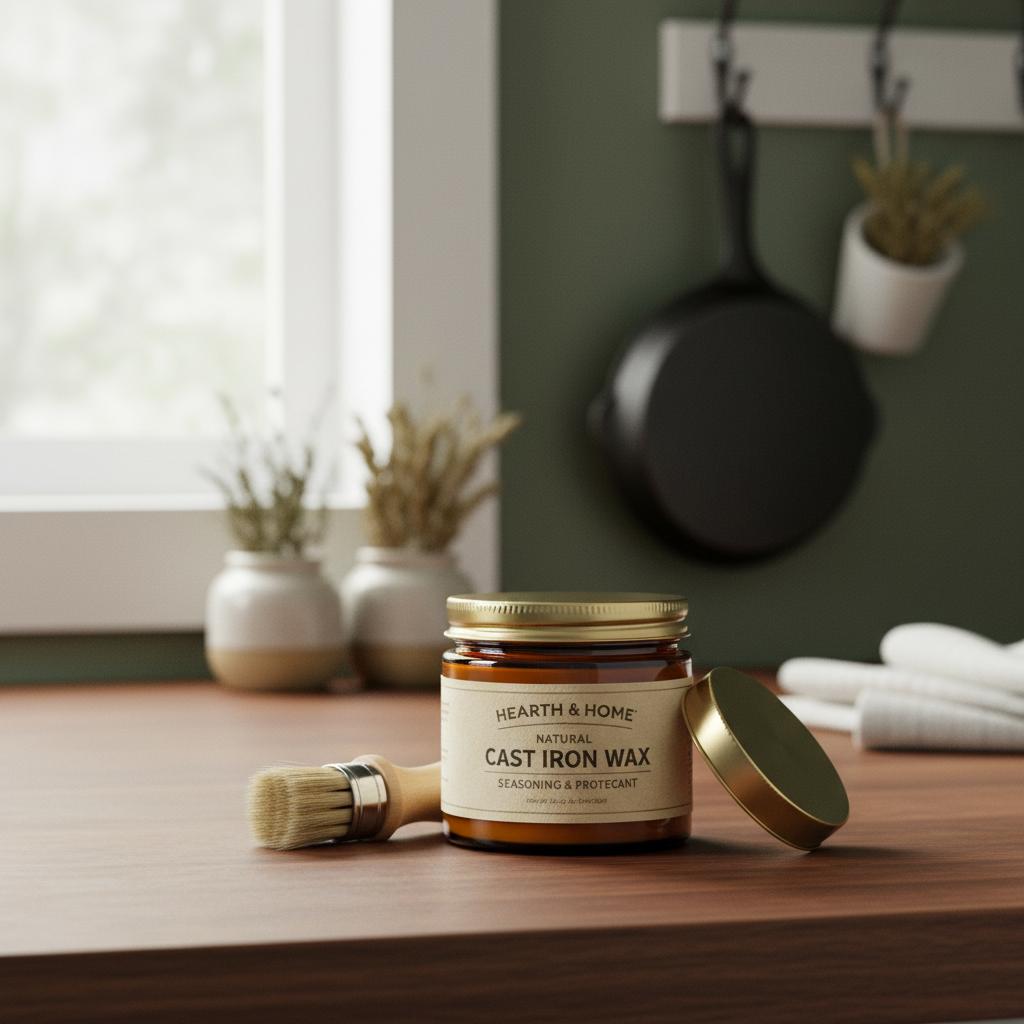
The secret to a non-stick experience with an iron paniyaram pan is proper seasoning. Before first use, apply a thin layer of oil and heat the pan until it smokes slightly. During cooking, ensure the pan is sufficiently preheated before adding oil and batter. If the batter sticks, it is usually a sign that the pan wasn't hot enough or needs another layer of seasoning.
Yes, cast iron is naturally ferromagnetic, making the iron paniyaram pan an excellent choice for induction cooktops. However, because cast iron can be heavy and slightly uneven on the bottom, we recommend using a medium heat setting to prevent the glass surface of your induction stove from scratching or overheating.
While traditionalists argue against it, using a mild, fragrance-free soap occasionally will not destroy a well-seasoned iron paniyaram pan. Avoid harsh detergents or soaking the pan in water for long periods. The most important step is to dry the pan immediately on a warm stove and apply a light coat of oil to prevent rust.
Initial seasoning takes about 30 to 60 minutes of heating oil. However, the "true" seasoning happens over time. The more you use your iron paniyaram pan to cook fatty or oily foods, the more the polymer layer builds up, resulting in a naturally slick surface that improves with every single use.
Rust occurs when iron is exposed to moisture and oxygen without a protective oil barrier. If you see rust, don't panic. Simply scrub it off with steel wool or a stiff brush, wash it, dry it completely on the heat, and immediately re-season the pan with oil to seal the pores of the metal.
The best oils for seasoning are those with a high smoke point, such as flaxseed oil, grapeseed oil, or canola oil. These oils polymerize effectively, creating a hard, durable non-stick surface. Avoid using extra virgin olive oil or butter for seasoning, as they have lower smoke points and can burn or become gummy.
As we look toward a future of sustainable living, embracing tools like the iron paniyaram pan allows us to reduce waste and reconnect with the art of slow, mindful cooking. Whether you are a professional chef exploring new textures or a home cook seeking a lifetime investment, shifting to cast iron is a step toward quality, health, and sustainability. Visit our website to explore our premium range: www.foundryasia.com