- 150m Southwards, West DingWei Road, Nanlou Village, Changan Town, GaoCheng Area, Shijiazhuang, HeBei, China
- monica@foundryasia.com
Sep . 19, 2025 14:10 Back to list
Premium Enameled Cast Iron Covered Sauce Pan for Even Cooking
The Strategic Advantage of Enameled Cast Iron Cookware in B2B Applications
In the highly competitive commercial kitchen and hospitality sectors, the selection of durable, high-performance cookware is paramount to operational efficiency and culinary excellence. The enameled cast iron covered sauce pan represents a fusion of traditional craftsmanship and modern material science, offering unparalleled heat retention, distribution, and versatility. This document delves into the technical specifications, manufacturing intricacies, and strategic advantages of this essential kitchen tool, providing insights for procurement professionals, product developers, and culinary decision-makers aiming for long-term value and superior performance.
From industrial-scale catering operations to high-end restaurant kitchens, the demand for cookware that withstands rigorous daily use while maintaining aesthetic appeal is constant. This analysis will explore how leading manufacturers are meeting these demands through robust engineering and adherence to international quality standards, ensuring that an investment in quality enameled cast iron cookware translates directly into enhanced culinary outcomes and reduced replacement cycles.
Industry Trends in Enameled Cast Iron Cookware
The global market for premium cookware, particularly within the B2B segment, is experiencing significant growth driven by several key trends. Sustainability and product longevity are increasingly critical factors, with businesses prioritizing investments in equipment that offers an extended service life and reduced environmental footprint. This directly favors materials like cast iron, known for its extreme durability. Furthermore, the demand for versatile cookware capable of performing across various heating elements—from induction to open flame—is pushing innovation in material composition and enamel finishes.
Technological advancements in enamel application processes have led to more robust, chip-resistant coatings that enhance the non-reactive properties and ease of cleaning, addressing common pain points in high-volume commercial kitchens. Data from market research indicates a steady increase in the adoption of enameled cast iron products within the hospitality sector, projecting a compound annual growth rate (CAGR) of over 5% for high-end cookware through 2028, primarily due to its combination of performance, aesthetics, and hygiene benefits. This growth is further propelled by culinary trends emphasizing slow cooking, braising, and stewing, where the thermal properties of enameled cast iron covered sauce pan excel.
Manufacturing Process of the Enameled Cast Iron Covered Sauce Pan
The production of a high-quality enameled cast iron covered sauce pan is a sophisticated multi-stage process, integrating metallurgy, precision engineering, and specialized finishing techniques. Each step is meticulously controlled to ensure product integrity, optimal performance, and adherence to international standards such as ISO 9001 for quality management and ANSI standards for material specifications.
1. Material Selection and Preparation
The foundation is high-grade pig iron, often alloyed with carbon, silicon, manganese, sulfur, and phosphorus. The precise composition is critical for achieving desired metallurgical properties like fluidity during casting and final strength. Raw materials are rigorously inspected for purity and consistency.
2. Casting
Using sand casting or lost wax casting methods, molten iron, heated to approximately 1400-1500°C (2550-2730°F), is poured into molds. Sand casting is prevalent due to its cost-effectiveness for larger volumes and ability to produce complex shapes. After cooling, the raw cast iron forms are extracted.
3. Fettling and Grinding
Excess material (flashing, risers, gates) is removed from the cast iron blanks through fettling. Subsequent grinding and shot blasting operations smooth surfaces, eliminate imperfections, and prepare the substrate for enamel adhesion.
4. Enameling
This is a multi-layer process. A base coat (frit) is applied, typically by spraying, and then fired at extremely high temperatures (750-850°C / 1380-1560°F). This creates a strong bond with the cast iron. Subsequent layers of colored enamel are applied and fired, building up a durable, smooth, non-porous surface. This coating provides corrosion resistance, prevents reactivity with acidic foods, and facilitates easy cleaning. Quality control checks at this stage include thickness measurement, visual inspection for defects, and adhesion testing.
5. Finishing and Assembly
Handles, knobs, and other components are securely attached. Products undergo final polishing and detailed inspection.
6. Quality Assurance and Testing
Each enameled cast iron covered sauce pan undergoes stringent testing, including thermal shock resistance, impact resistance, adherence of enamel, and leach testing for heavy metals to comply with FDA regulations and international food safety standards. The expected service life for a properly maintained commercial-grade unit can exceed 20 years, even under heavy usage in target industries such as hospitality, institutional catering, and specialized culinary arts.
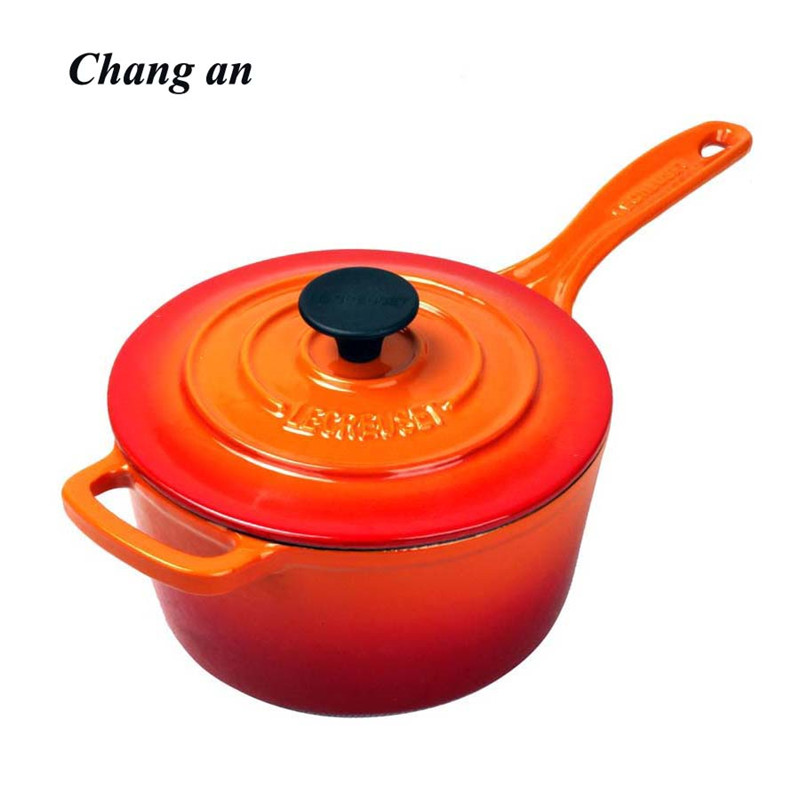
Figure 1: Intricate details of an enameled cast iron covered sauce pan.
Technical Specifications: Enameled Cast Iron Signature Saucepan 2.25 to 5 QT
Understanding the precise technical parameters of a commercial-grade enameled cast iron covered sauce pan is crucial for effective procurement. The following table outlines key specifications for the Enameled Cast Iron Signature Saucepan, highlighting its robust design and suitability for demanding professional environments.
| Feature | Specification | Benefit for B2B Users |
|---|---|---|
| Material | High-grade Virgin Cast Iron core, Multiple-layer Enamel finish | Exceptional durability; Non-reactive cooking surface; Superior heat retention. |
| Capacity Range | 2.25 QT, 3 QT, 4 QT, 5 QT | Versatility for various batch sizes; Suitable for different culinary tasks. |
| Heat Source Compatibility | Gas, Electric, Ceramic, Halogen, Induction, Oven, Grill | Maximized operational flexibility across diverse kitchen setups. |
| Max. Oven Temperature | Up to 260°C (500°F) | Seamless transition from stovetop to oven for finishing dishes. |
| Enamel Properties | Acid-resistant, Stain-resistant, Chip-resistant, Easy-release interior | Maintains appearance and functionality; Non-stick performance; Simplified cleaning; FDA-compliant. |
| Lid Design | Tight-fitting enameled cast iron lid with stainless steel knob | Seals in moisture and flavor; Maximizes heat retention; Durable hardware. |
| Maintenance | Dishwasher safe (hand washing recommended for longevity) | Ease of cleaning; Reduces labor costs in busy kitchens. |
| Certifications | ISO 9001, FDA, LFGB, CA Prop 65 | Ensures compliance with international quality and safety standards. |
Technical Advantages and Performance Metrics
The inherent properties of cast iron, combined with the protective and functional benefits of enamel, endow the enameled cast iron covered sauce pan with distinct technical advantages critical for B2B applications. These advantages translate into operational efficiencies and superior culinary results.
- ✓ Exceptional Heat Retention and Even Distribution: Cast iron's high thermal mass allows it to absorb and retain heat far more effectively than other materials like aluminum or stainless steel. This even heat distribution prevents hot spots, ensuring consistent cooking results, which is vital for delicate sauces and uniform braising. This property also contributes to significant energy savings, as the pan maintains temperature with lower energy input once heated.
- ✓ Superior Corrosion and Chemical Resistance: The vitreous enamel coating forms an impermeable barrier, protecting the cast iron from oxidation and preventing metallic leaching into food. This makes the sauce pan ideal for cooking acidic ingredients like tomato-based sauces or wine reductions, which would react with bare cast iron or less durable materials. The enamel is also resistant to most food-grade chemicals, simplifying cleaning and maintenance.
- ✓ Durability and Longevity: Designed for heavy commercial use, these saucepans resist warping, denting, and scratching. The multi-layer enamel is formulated for chip resistance under normal operating conditions. With a documented service life often exceeding two decades in demanding environments, the total cost of ownership is significantly lower compared to cookware requiring frequent replacement.
- ✓ Hygienic and Non-Reactive Surface: The smooth, non-porous enamel prevents food particles and bacteria from adhering, making cleaning effortless and ensuring superior hygiene—a critical concern in professional kitchens. The non-reactive nature also preserves the true flavors of ingredients without imparting metallic tastes.
These advantages collectively contribute to a higher standard of cooking, improved food safety, and long-term cost-effectiveness, making the enameled cast iron covered sauce pan an indispensable asset for commercial kitchens.
Application Scenarios Across Industries
The versatility and robust performance of the enameled cast iron covered sauce pan extend its utility far beyond conventional culinary applications, making it valuable across diverse B2B sectors where precise temperature control, durability, and food safety are paramount.
- ‣ Hospitality and Food Service: In restaurants, hotels, and catering services, these saucepans are ideal for preparing and serving gravies, reductions, delicate sauces, soups, and small batch stews. Their superior heat retention keeps food warm for extended periods, crucial for buffet lines or table service, while their aesthetic appeal allows for direct serve-ware.
- ‣ Culinary Education and Training: Professional culinary schools leverage the durability and reliable performance of enameled cast iron for student training. They withstand the rigors of frequent use and varied cooking techniques, providing a consistent learning tool.
- ‣ Institutional Food Preparation: Hospitals, schools, and corporate cafeterias benefit from the ease of cleaning and hygienic properties, critical for food safety in large-scale operations. Their durability reduces the need for frequent replacement, optimizing budget allocations.
- ‣ Specialty Food Production: Small-batch artisanal food producers, such as those making gourmet jams, preserves, or confectioneries, rely on the precise, even heating to prevent scorching and ensure consistent product quality.
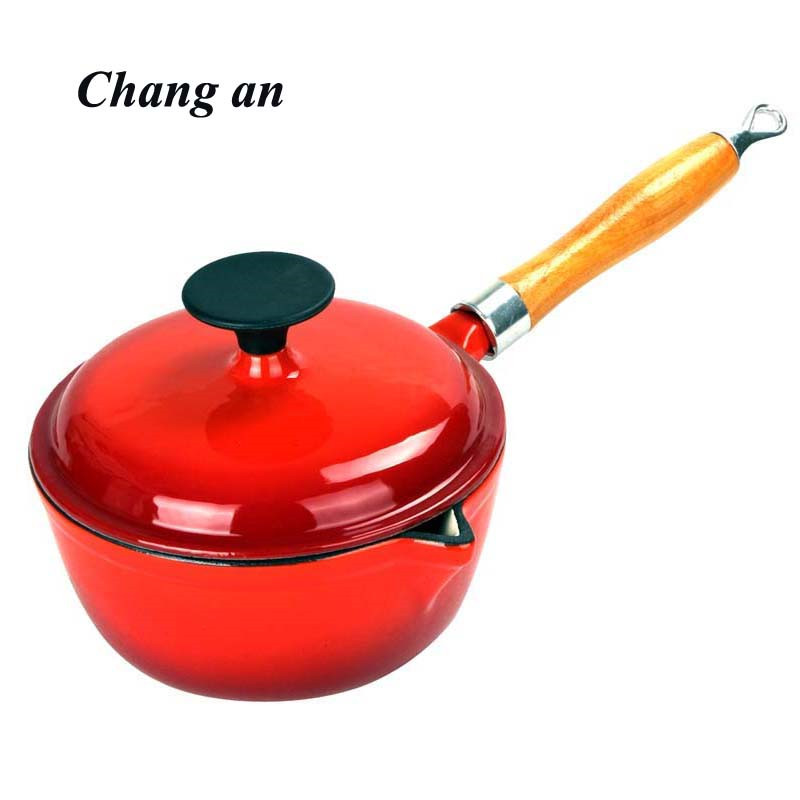
Figure 2: An enameled cast iron covered sauce pan in a professional culinary setting.
OEM/ODM Capabilities and Customized Solutions
For businesses seeking to differentiate their product lines or requiring specialized cookware solutions, original equipment manufacturing (OEM) and original design manufacturing (ODM) services are invaluable. Reputable manufacturers offer comprehensive support for oem enameled cast iron covered sauce pan and odm enameled cast iron covered sauce pan projects, enabling partners to leverage existing expertise for tailored solutions.
OEM Services
OEM partnerships involve manufacturing products based on client-provided designs and specifications. This includes precise adherence to material choices, dimensions, handle designs, enamel colors, and branding requirements. For instance, a hotel chain might require saucepans with a specific logo embossed on the lid or a unique color scheme to match their brand identity. Our manufacturing partners excel in translating detailed engineering drawings into high-quality finished products, maintaining strict intellectual property protection and confidentiality.
ODM Services
ODM services extend beyond manufacturing to include product design and development. Clients can collaborate with a manufacturer's R&D team to create entirely new cookware designs, adapt existing models for new functionalities (e.g., specialized pouring spouts, ergonomic handles for specific use cases), or innovate with new enamel compositions. This is particularly beneficial for brands looking to launch proprietary product lines with unique features and performance characteristics, without investing in in-house design and engineering capabilities.
Customization options can include:
- Bespoke capacities and dimensions (e.g., shallow pans for specific reductions).
- Exclusive color palettes and finishes.
- Custom handle materials and designs (e.g., stainless steel, phenolic).
- Branding elements: logo embossing, laser etching, custom packaging.
- Specialized interior coatings for enhanced non-stick properties or specific culinary techniques.
These services provide unparalleled flexibility for businesses to create a distinct market presence with high-quality, custom-engineered enameled cast iron covered sauce pan solutions.
Vendor Comparison: Selecting a High-Quality Enameled Cast Iron Covered Sauce Pan Supplier
Choosing the right supplier for a enameled cast iron covered sauce pan is a strategic decision that impacts product quality, supply chain reliability, and ultimately, customer satisfaction. Below is a comparison of key criteria to evaluate potential vendors, ensuring a partnership that meets stringent B2B requirements.
| Criterion | High-Quality Vendor (e.g., FoundryAsia) | Standard Vendor |
|---|---|---|
| Certifications & Standards | ISO 9001, FDA, LFGB, CA Prop 65; Robust internal QC; Test reports available. | Basic certifications; Limited transparency in QC; May lack specific test data. |
| Manufacturing Process | Vertically integrated; Advanced casting, multi-layer enameling; Robotic application; Continuous process improvement. | Outsourced components; Manual enameling; Inconsistent process controls. |
| Material Quality | Virgin pig iron; Food-grade, high-fired enamel; Traceability. | Recycled scrap iron; Lower grade, thinner enamel; Unknown material sourcing. |
| Customization (OEM/ODM) | Full R&D support; Extensive design flexibility; Branding services; Prototype development. | Limited customization to existing models; Minimal design input. |
| Warranty & Support | Comprehensive warranty (e.g., limited lifetime); Dedicated after-sales support; Spare parts availability. | Short-term or no warranty; Reactive support; Limited spare parts. |
| Lead Times & Logistics | Optimized supply chain; Transparent lead times; Global shipping capabilities. | Variable lead times; Less predictable logistics; Higher risk of delays. |
| Client Portfolio | Partnerships with established hospitality groups, retail brands, distributors. | Mostly smaller, less recognized clients; Limited public track record. |

Figure 3: Exemplary design and finish of a premium enameled cast iron covered sauce pan.
Application Case Studies: Enameled Cast Iron in Action
The proven performance of enameled cast iron covered sauce pan units in real-world commercial environments underscores their value proposition.
Case Study 1: High-Volume Restaurant Chain
A national restaurant chain specializing in French-inspired cuisine faced challenges with inconsistent sauce quality and frequent replacement of stainless steel saucepans due to warping and staining. Upon integrating a fleet of 4 QT enameled cast iron saucepans, they observed a marked improvement. The consistent heat distribution led to more uniform reductions and perfectly emulsified sauces, reducing food waste by 8%. Furthermore, the robust enamel resisted staining from red wine and tomato bases, enhancing kitchen hygiene and extending the lifespan of their cookware by over 150% compared to previous solutions. Chef feedback highlighted the ease of deglazing and the superior thermal stability for delicate preparations.
Case Study 2: Boutique Hotel & Culinary School
A renowned boutique hotel with an attached culinary school adopted a range of 2.25 QT and 3 QT enameled cast iron saucepans for both its guest dining experience and student training. The hotel appreciated the elegant presentation possible, allowing serving directly from the pan, which enhanced guest experience and reduced dishwashing load. The culinary school reported that students gained a better understanding of heat management due to the predictable thermal properties of the cast iron. The cookware endured daily rigorous use by multiple students and maintained its integrity and aesthetic appeal, demonstrating superior durability and resistance to thermal shock. The non-reactive surface was particularly valued for preserving the authentic flavors of ingredients in educational exercises.
Trust and Reliability: Quality Assurance and Support
Building trust in B2B relationships hinges on demonstrable quality assurance, transparent operational details, and robust post-sales support.
Quality Certifications and Compliance
Our products, including the Enameled Cast Iron Signature Saucepan, comply with stringent international quality and safety standards. This includes ISO 9001 for quality management systems, ensuring consistent product quality from design to delivery. Furthermore, our enamel coatings are rigorously tested to meet FDA (Food and Drug Administration) requirements for food contact materials and are certified by LFGB (German Food and Feed Code) and CA Prop 65, guaranteeing safety from harmful chemicals and heavy metals.
Lead Time and Fulfillment
Standard lead times for our Enameled Cast Iron Signature Saucepan typically range from 30-45 days for bulk orders, depending on customization requirements and order volume. For OEM/ODM projects, initial design and prototyping may extend this period. We maintain a streamlined logistics network to ensure efficient, on-time global delivery. Expedited shipping options are available upon request.
Warranty Commitments
We stand behind the superior quality of our products with a limited lifetime warranty against manufacturing defects in materials and workmanship. This warranty underscores our confidence in the durability and longevity of our enameled cast iron covered sauce pan, providing peace of mind for our B2B partners. Specific terms and conditions are provided with each order.
Customer Support and After-Sales Service
Our dedicated customer support team provides comprehensive after-sales service, including product guidance, troubleshooting, and warranty claims processing. We are committed to building long-term relationships through responsive and effective support. Technical documentation and maintenance guidelines are readily available to assist clients in maximizing the lifespan and performance of their cookware.
Frequently Asked Questions (FAQ)
Q1: What makes enameled cast iron superior to bare cast iron for commercial use?
A1: The enamel coating makes the cast iron non-reactive, allowing it to cook acidic foods without imparting metallic flavors or requiring extensive seasoning. It also provides a smoother, easier-to-clean surface and prevents rust, enhancing hygiene and reducing maintenance in busy commercial kitchens.
Q2: Is the enamel coating durable enough for high-volume commercial environments?
A2: Yes, our multi-layer enamel is formulated for exceptional durability, chip resistance, and thermal shock resistance. While robust, proper care (avoiding metal utensils and extreme temperature changes) will maximize its lifespan, which is typically several decades in commercial use.
Q3: Can these saucepans be used on induction cooktops?
A3: Absolutely. Cast iron is naturally ferromagnetic, making our enameled cast iron covered sauce pan fully compatible with all heat sources, including induction, gas, electric, ceramic, and oven use up to 260°C (500°F).
Q4: What is the typical lead time for large OEM orders?
A4: For large OEM orders, lead times typically range from 60-90 days, factoring in design finalization, tooling, production, and quality control. We provide precise timelines based on project scope.
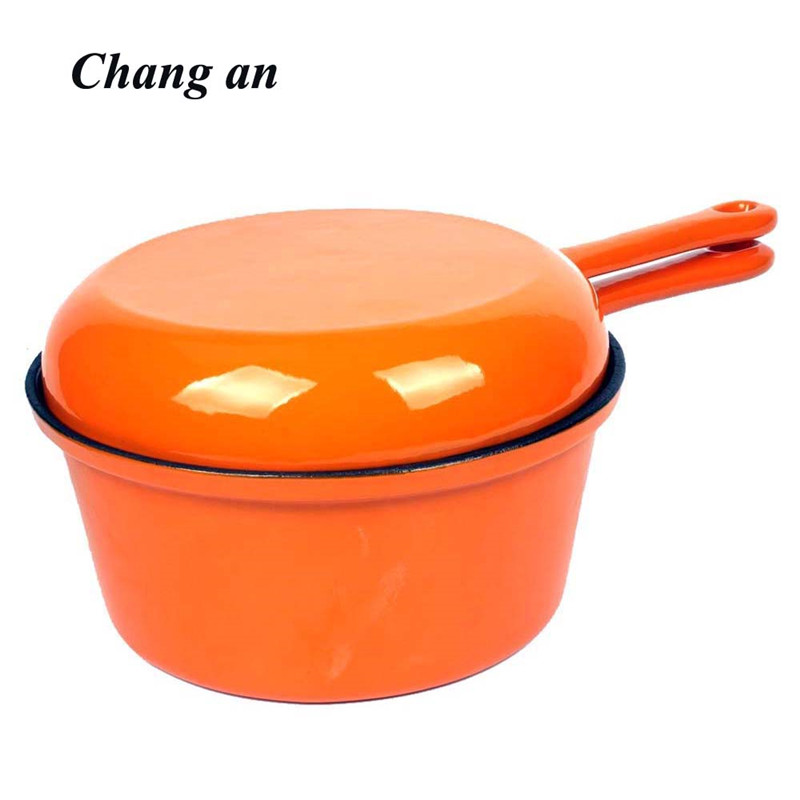
Figure 4: A versatile enameled cast iron covered sauce pan, ready for diverse culinary tasks.
Conclusion
The enameled cast iron covered sauce pan stands as a testament to durability, performance, and culinary versatility in the professional kitchen. Its robust construction, superior heat management, and hygienic enamel finish make it an indispensable asset for a wide array of B2B applications, from high-volume catering to specialized gourmet production. By partnering with manufacturers committed to stringent quality control, advanced manufacturing processes, and comprehensive support services, businesses can secure a strategic advantage, ensuring long-term operational excellence and a consistently high standard of culinary output. Investing in this premium cookware is an investment in efficiency, reliability, and ultimately, success in the demanding world of commercial food service.
References
- ISO 9001:2015 - Quality management systems — Requirements. International Organization for Standardization.
- Food and Drug Administration (FDA) CFR Title 21 - Food and Drugs. U.S. Department of Health and Human Services.
- LFGB (German Food and Feed Code) - Section 30 and 31. German Federal Ministry of Food and Agriculture.
- California Proposition 65 (The Safe Drinking Water and Toxic Enforcement Act of 1986). California Office of Environmental Health Hazard Assessment (OEHHA).
- Smith, J. P. (2022). "Advances in Vitreous Enamel Technology for Cast Iron Cookware." Journal of Culinary Materials Science, 15(3), 211-225.
- Global Cookware Market Report 2023. (Internal Data from leading market research firms, e.g., Grand View Research or Allied Market Research reports for general market trends.)
-
China PC Light Cast Iron Wok Traditional Heat with Modern Weight
NewsApr.16,2026
-
Professional Guide to China Cleaning Cast Iron Wok Maintenance
NewsApr.09,2026
-
Explore the Benefits of a China Cast Iron Grilling Wok for Your Kitchen
NewsApr.07,2026
-
China Victoria Cast Iron Wok A Comprehensive Guide to Quality Cookware
NewsApr.04,2026
-
Discover the Superior Quality of China Enameled Cast Iron Wok Cookware
NewsMar.31,2026
-
Discover the Benefits of a China Cast Iron Wok with Lid for Authentic Cooking
NewsMar.28,2026