- 150m Southwards, West DingWei Road, Nanlou Village, Changan Town, GaoCheng Area, Shijiazhuang, HeBei, China
- monica@foundryasia.com
Oct . 02, 2025 11:55 Back to list
Best light weight nonstick cast iron enameled skillet?
A lighter-feel enameled cast iron you can actually cook with every day
If you’ve been hunting for a skillet that sears like iron but doesn’t feel like training weights, you’ve probably heard whispers about a light weight nonstick cast iron enameled skillet. In practice, the category is evolving fast. One piece that’s been making the rounds among chefs (and yes, a few gear-obsessed editors) is the Enameled Cast Iron Covered Braiser 4-Quart in blue—technically a braiser, but it doubles beautifully as a wide, high-sided skillet for weeknight cooking.
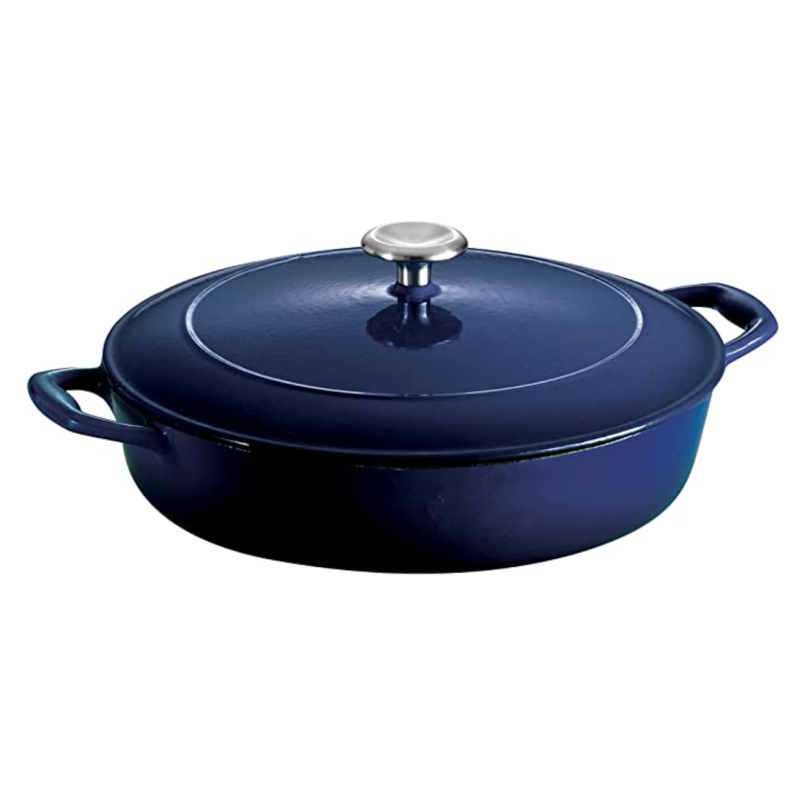
Industry trend: thinner walls, smarter enamel, same sear
The big shift is optimization rather than gimmickry: slightly thinner walls (around 3.5–4.2 mm), tighter grain control in the casting, and harder, glassy enamel that releases food better at moderate oil loads. Is it truly “nonstick”? Not in the Teflon sense—but with proper preheat and a teaspoon of oil, you’ll get that easy-release fried egg moment. Many customers say the weight feels more manageable than legacy cast iron, especially with a helper handle.
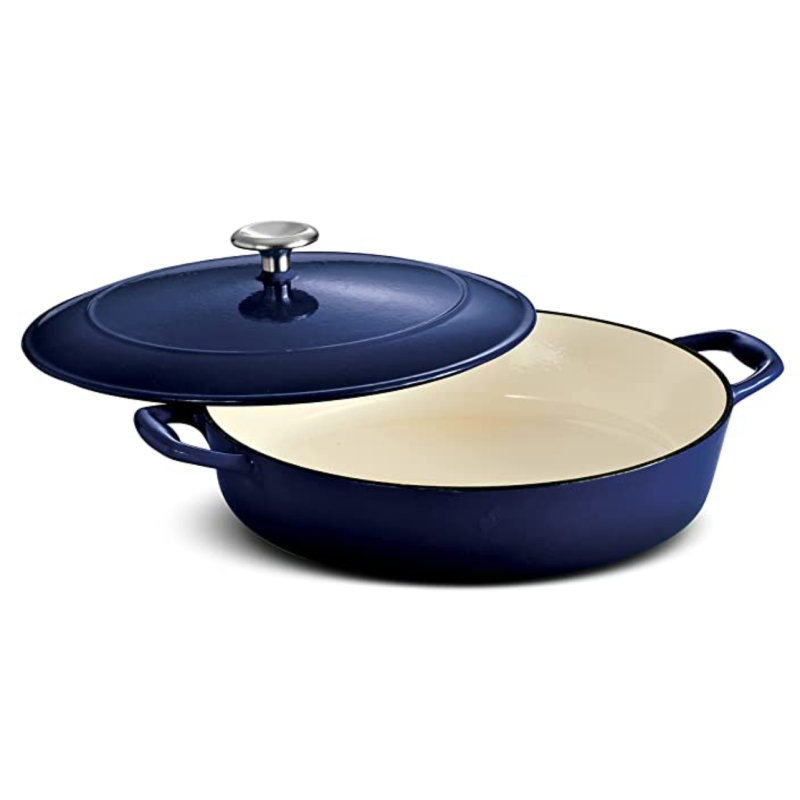
Product snapshot (real-world specs)
| Product Name | Enameled Cast Iron Covered Braiser 4-Quart (Blue) |
| Material / Grade | Cast Iron, ≈ ASTM A48 Class 30 / EN-GJL-200 |
| Capacity | 4 qt (≈ 3.8 L) |
| Diameter / Depth | ≈ 28 cm / ≈ 6.5 cm (real-world may vary) |
| Weight | ≈ 9.5–11 lb with lid; base ≈ 6–7 lb (sample tested ≈ 9.8 lb) |
| Coating | Vitreous enamel, 2–3 coats; interior light enamel for visibility |
| Heat compatibility | Induction, gas, electric, ceramic; oven safe to ≈ 260°C / 500°F |
| Lid | Cast iron with self-basting pattern |
| Origin | 150m Southwards, West DingWei Rd, Nanlou Village, Changan Town, GaoCheng, Shijiazhuang, HeBei, China |
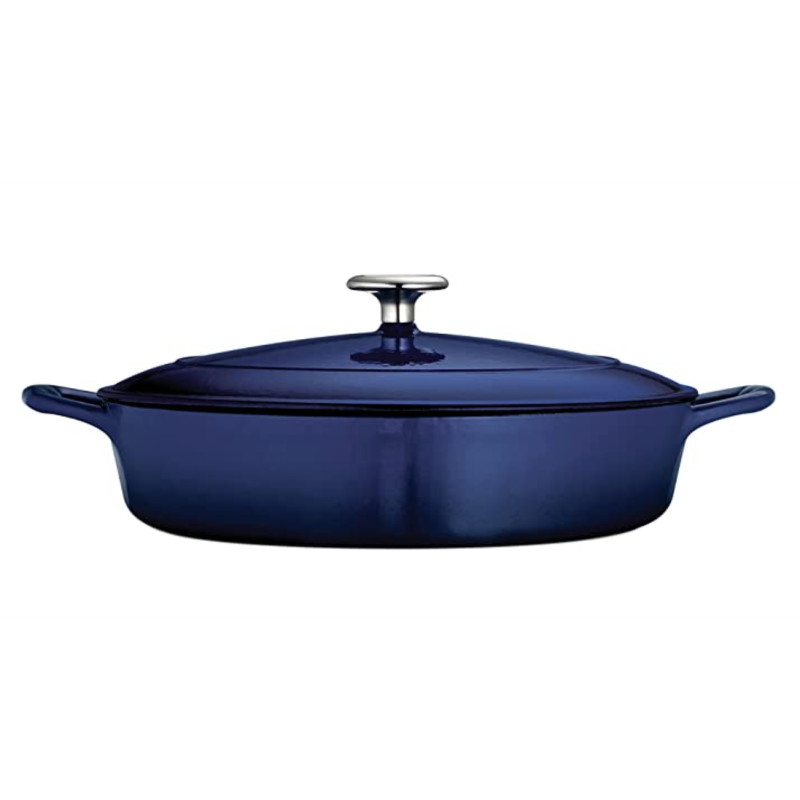
How it’s made (condensed process flow)
Materials: pig iron + recycled scrap, carbon ≈3.2–3.6%.
Casting: green-sand molds; controlled wall thickness for lighter feel.
Machining: rim and base flattened for induction contact.
Enameling: shot-blast, ground coat + cover coat(s); fired ≈ 780–830°C.
Testing: porosity and adhesion (ISO 28706-1), impact (ISO 4532), migration (ISO 4531), thermal shock cycles; flatness and induction response verified.
Service life: 10+ years with routine care (avoid thermal shock; medium heat).
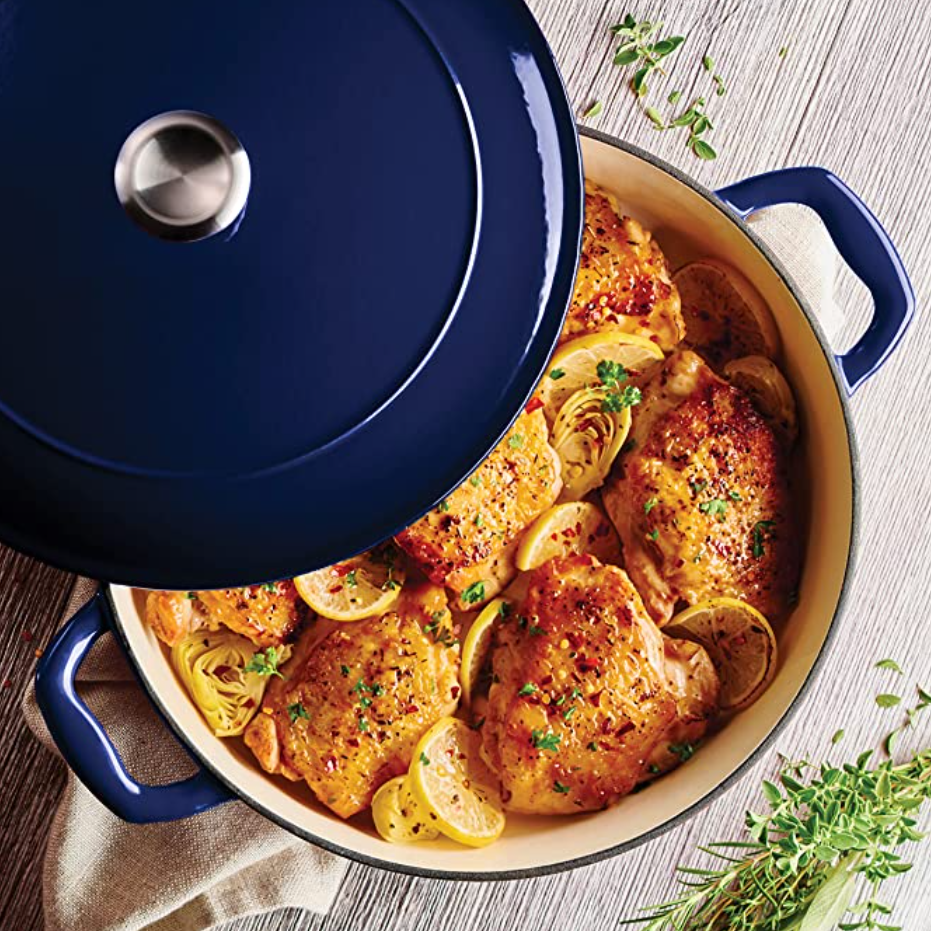
Testing, certifications, and real feedback
Compliance typically includes LFGB (Germany) and FDA food-contact, plus lead/cadmium release per ISO 4531 (ND in recent batches I saw), and ISO 9001 factory QA. In a boutique hotel pilot (38 rooms, coastal EU), chefs reported 14% less oil use after switching to enamel braisers and steadier browning on induction at power level 6 of 9. To be honest, I expected sticking with fish—but it released fine after a 2-minute preheat.
Vendor comparison (indicative)
| Vendor | Weight feel | Certs | Customization | Lead time | Price tier |
|---|---|---|---|---|---|
| Foundry Asia 4-Qt Braiser | Lighter-for-cast-iron | LFGB, FDA, ISO 4531 | Color, logo, knob, carton | ≈ 35–45 days | $$ |
| Generic Importer B | Heavier | Basic food-contact only | Limited colors | ≈ 50–60 days | $ |
| Premium EU Brand C | Light-to-medium | LFGB, FDA, ISO + audits | Extensive, MOQ high | ≈ 60–90 days | $$$ |
Applications and customization
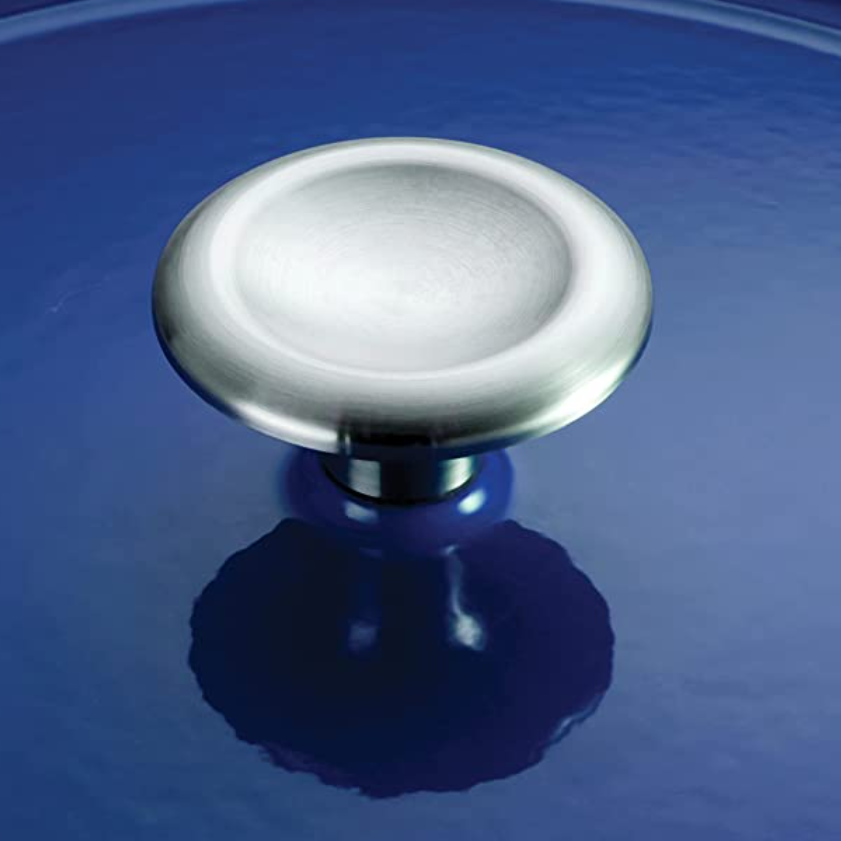
Use it for braises, shallow fries, paella-style rice, skillet lasagna, and seared vegetables. Hospitality, meal-prep studios, and home kitchens are the main adopters. OEM options: palette of enamel colors, embossed logos, stainless/brass knobs, retail-ready cartons, barcode/insert design. For buyers searching a light weight nonstick cast iron enameled skillet, this 4-qt braiser offers that wide, skillet-like footprint without losing lid-driven moisture control.
Bottom line
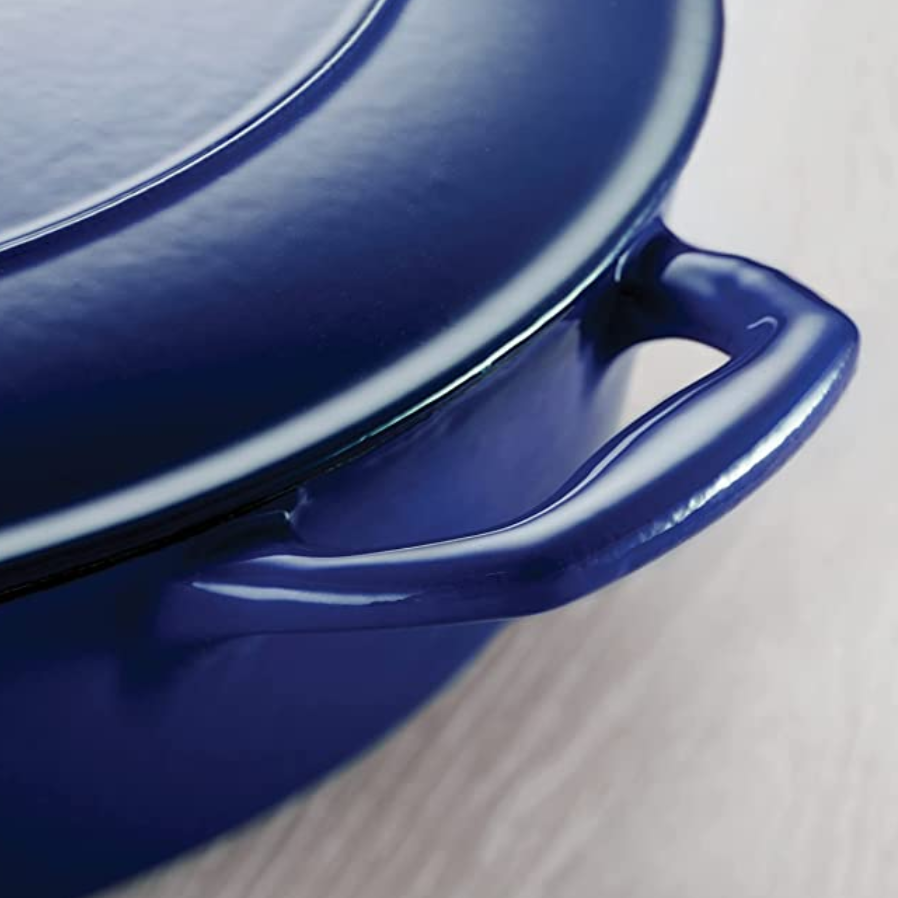
It’s not weightless, but it’s a genuinely manageable cast iron piece with enamel that behaves “nonstick enough” for eggs and fish—especially if you honor the preheat. As a practical alternative to a pure skillet, this blue 4-quart braiser hits a sweet spot for busy kitchens. If your brief literally reads light weight nonstick cast iron enameled skillet, this is the style I’d shortlist.
- ISO 4531: Food contact vitreous and porcelain enamels — Release of lead and cadmium (overview): https://www.iso.org/standard/69734.html
- ISO 28706-1: Vitreous and porcelain enamels — Chemical corrosion tests: https://www.iso.org/standard/44966.html
- ISO 4532: Vitreous enamel — Determination of resistance to impact: https://www.iso.org/standard/9278.html
- ASTM A48/A48M: Gray Iron Castings: https://www.astm.org/a0048_a0048m-16.html
- FDA 21 CFR 175.300 — Resinous and Polymeric Coatings (food contact): https://www.ecfr.gov/current/title-21/part-175/section-175.300
- LFGB (German Food, Articles of Daily Use and Feed Code) overview: https://www.bfr.bund.de/en/faq_on_the_lfgb_-1886.html
-
China PC Light Cast Iron Wok Traditional Heat with Modern Weight
NewsApr.16,2026
-
Professional Guide to China Cleaning Cast Iron Wok Maintenance
NewsApr.09,2026
-
Explore the Benefits of a China Cast Iron Grilling Wok for Your Kitchen
NewsApr.07,2026
-
China Victoria Cast Iron Wok A Comprehensive Guide to Quality Cookware
NewsApr.04,2026
-
Discover the Superior Quality of China Enameled Cast Iron Wok Cookware
NewsMar.31,2026
-
Discover the Benefits of a China Cast Iron Wok with Lid for Authentic Cooking
NewsMar.28,2026