- 150m Southwards, West DingWei Road, Nanlou Village, Changan Town, GaoCheng Area, Shijiazhuang, HeBei, China
- monica@foundryasia.com
Sep . 23, 2025 09:50 Back to list
Best Cast Iron Skillet for Outdoor Grill: Durable, Versatile Grilling
Strategic Sourcing for High-Performance Outdoor Grilling Solutions
In the dynamic landscape of professional culinary operations and industrial food service, the demand for robust, high-performance cooking apparatus remains paramount. Particularly in outdoor and commercial grilling environments, the selection of appropriate cookware directly impacts operational efficiency, food quality, and long-term cost-effectiveness. This comprehensive analysis delves into the technical specifications, manufacturing intricacies, and strategic advantages of selecting the best cast iron skillet for outdoor grill applications. We explore how advanced metallurgical processes and precise engineering contribute to superior thermal performance, durability, and versatility, meeting the stringent demands of B2B buyers. The growing trend in outdoor catering, hospitality, and specialized food production necessitates cookware that can withstand extreme thermal cycling and provide consistent cooking results, a niche perfectly served by expertly crafted cast iron solutions. This article will also touch upon related innovations, such as the `cast iron griddle for induction cooktop` and the `cast iron skillet for induction cooktop`, highlighting the broader applicability of modern cast iron technology.
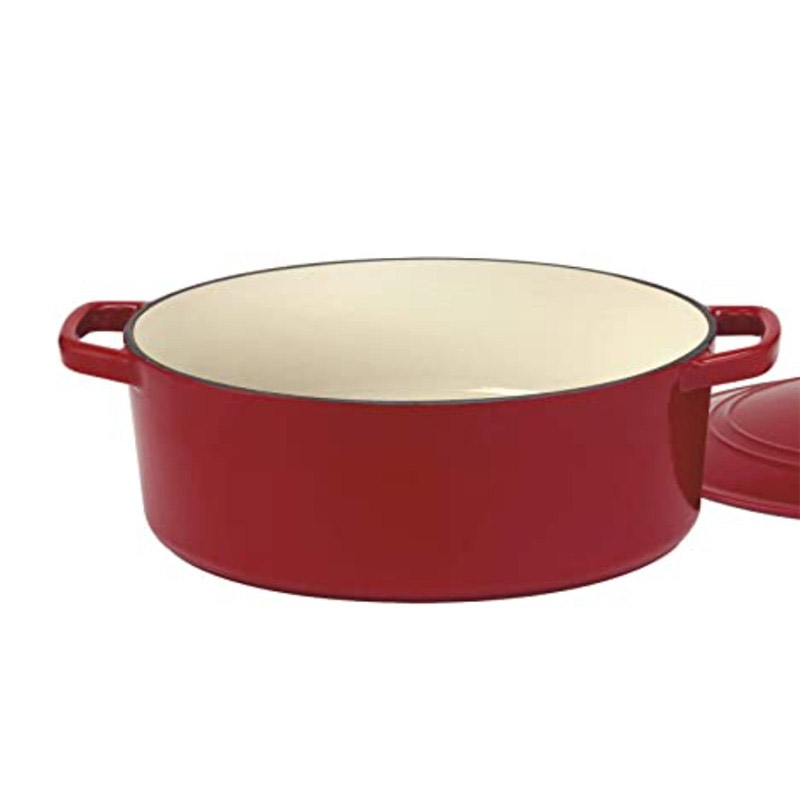
Industry Trends and Market Dynamics
The market for high-quality cookware, especially within the B2B sector, is undergoing significant evolution. There is a discernible shift towards products that offer both exceptional performance and extended service life, reducing total cost of ownership (TCO). For outdoor grilling, specifically, attributes like thermal stability, robustness, and ease of maintenance are paramount. The increasing popularity of experiential dining and outdoor events drives demand for specialized equipment. Simultaneously, advancements in material science and manufacturing processes have led to innovations like `light weight nonstick cast iron enameled skillet` options, which combine traditional cast iron benefits with enhanced usability. This caters to a segment seeking the thermal properties of cast iron without the weight penalty often associated with conventional units. Furthermore, the emphasis on food safety and hygiene in professional kitchens underscores the importance of compliant and easily cleanable surfaces, making enameled cast iron a preferred choice.
Emerging Market Demands:
- Durability & Longevity: B2B clients prioritize cookware that endures high-volume, continuous use.
- Thermal Performance: Superior heat retention and even heat distribution are critical for consistent cooking outcomes.
- Versatility: Products capable of diverse applications, from searing on an open flame to baking in a grill or oven, provide greater operational flexibility. This includes adaptability for indoor uses, such as `cooking with cast iron on electric stove` or `using cast iron skillet on glass top stove`.
- Maintenance Efficiency: Easy cleaning and reduced seasoning requirements (especially for enameled versions) translate to lower labor costs.
- Aesthetic Appeal: For front-of-house applications or branded collaborations (e.g., `matty matheson cookware cast iron skillet`), visual presentation is increasingly important.
Technical Parameters and Material Specifications
The efficacy of the best cast iron skillet for outdoor grill hinges significantly on its material composition and design parameters. High-grade cast iron, typically gray cast iron (FG 200/GG20 or higher), is selected for its excellent thermal conductivity and capacity for heat retention. Key technical specifications include wall thickness, which influences thermal mass and heat distribution, and the quality of any applied coating, such as vitreous enamel. Enamel coatings provide a non-reactive surface, corrosion resistance, and simplify maintenance.
Key Specifications for Premium Cast Iron Skillets:
| Parameter | Specification Range | Technical Rationale |
|---|---|---|
| Material Composition | Gray Cast Iron (FG200/GG20 - FG260/GG26) | Optimal balance of strength, thermal properties, and machinability. Excellent heat storage. |
| Wall Thickness | 3.5 mm - 6.0 mm (dependent on size) | Ensures uniform heat distribution and prevents warping under high thermal stress. |
| Enamel Coating | Multi-layer Vitreous Enamel (0.3mm - 0.8mm total thickness) | Provides non-reactive, non-stick properties, corrosion resistance, and aesthetic finish. FDA compliant. |
| Thermal Resistance | Up to 260°C (500°F) for enameled; up to 540°C (1000°F) for bare cast iron | Suitable for intense outdoor grilling, oven use, and high-temperature searing. |
| Surface Hardness (Enamel) | 6-7 Mohs scale (similar to quartz) | Resists scratches and abrasion from metal utensils, extending product lifespan. |
The selection of virgin iron ore, combined with precise alloying elements such as carbon, silicon, manganese, sulfur, and phosphorus, dictates the final metallurgical integrity. Advanced spectrographic analysis ensures batch consistency, a critical factor for B2B manufacturers seeking reliable supply chains.
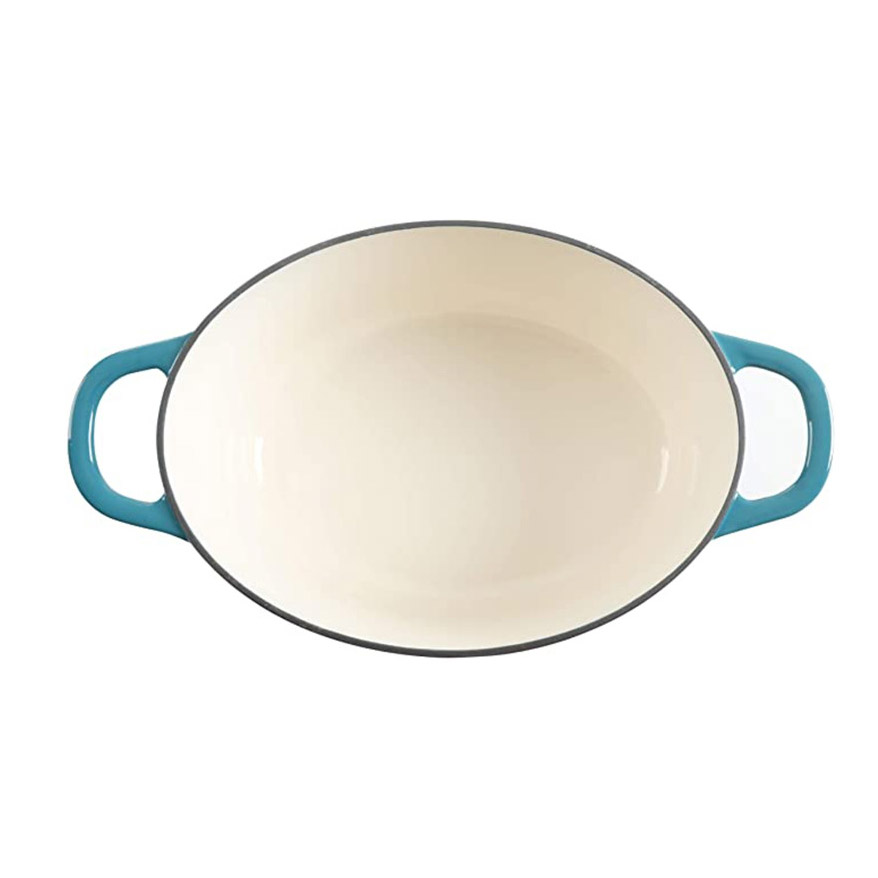
Precision Manufacturing Process Flow
The production of a premium best cast iron skillet for outdoor grill involves a meticulously controlled manufacturing process, leveraging both traditional casting expertise and modern technological advancements. This ensures optimal structural integrity, uniform thickness, and a flawless surface finish.
Manufacturing Process Steps:
Material Selection & Preparation
High-purity pig iron and specific alloying elements (e.g., carbon, silicon) are chosen for optimal metallurgy. Materials undergo rigorous chemical analysis to meet ASTM A48 (Gray Iron Castings) or equivalent standards.
Melting & Alloying
Raw materials are melted in induction furnaces, allowing precise temperature control (typically 1450-1550°C) and consistent alloy mixing to ensure uniform metallurgical structure.
Sand Casting (Green Sand Molding)
Molten metal is poured into meticulously prepared green sand molds, which are permeable to allow gas escape and prevent defects. This traditional method ensures robust, thick-walled products.
Cooling, Shakeout & Fettling
After solidification, castings are removed from molds (shakeout). Sprues, risers, and excess material are removed through fettling, grinding, and shot blasting to achieve the desired rough shape and surface.
Surface Preparation & Enameling/Pre-seasoning
Castings are thoroughly cleaned and inspected. For enameled products, multiple layers of vitreous enamel are applied and fired at high temperatures (750-850°C) to create a durable, non-reactive finish. For traditional bare cast iron, a food-grade oil pre-seasoning process is applied, which is critical for `pre seasoned cast iron skillet first use` readiness.
Quality Control & Final Inspection
Each skillet undergoes stringent quality checks including dimensional accuracy, surface finish, adherence of enamel (if applicable), and non-destructive testing (NDT) such as visual inspection and thickness measurement. Products adhere to international standards like ISO 9001 for quality management and ANSI/NSF for food contact safety. Service life is optimized through robust design and material selection, often exceeding 10-15 years in commercial settings.
Target industries benefiting from this level of manufacturing precision include food processing, hospitality, outdoor catering, and specialized industrial applications where precise thermal management and durability are crucial. Advantages in typical application scenarios include significant energy saving due to superior heat retention, and enhanced corrosion resistance, especially with enameled finishes, which extends product longevity in high-moisture or acidic environments.
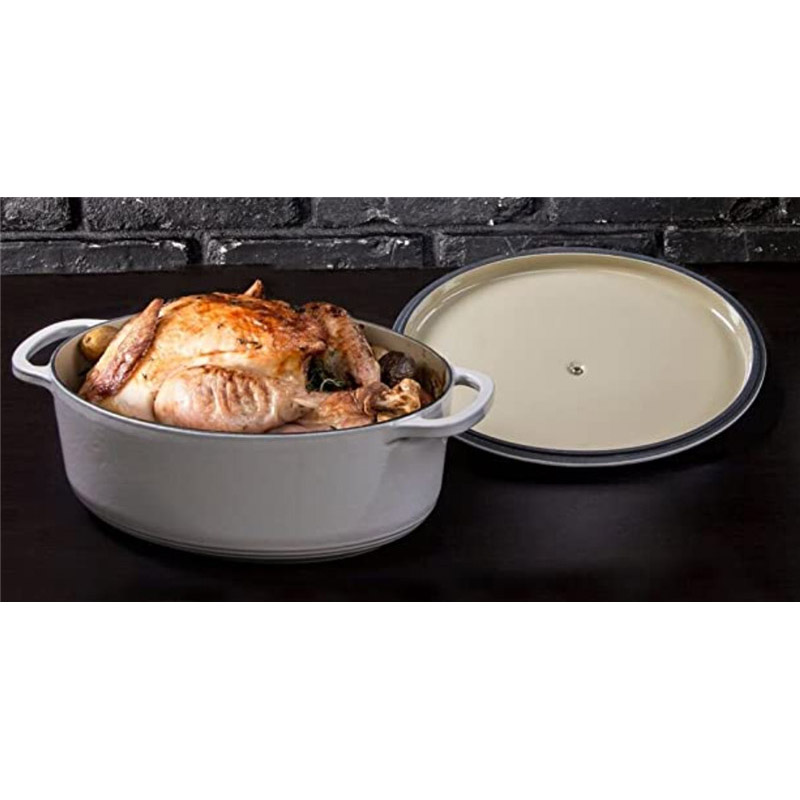
Application Scenarios and Versatility
The versatility of a high-quality best cast iron skillet for outdoor grill extends far beyond simple searing. Its robust construction and superior thermal properties make it indispensable for a multitude of professional culinary tasks, both outdoors and in hybrid kitchen setups.
Key Application Areas:
- High-Heat Searing: Achieving perfect crusts on steaks, fish, and vegetables directly over open flames or high-powered grill burners. The skillet's thermal mass maintains cooking temperature even when cold ingredients are added.
- Baking & Roasting: The ability to function as a miniature oven on the grill, ideal for dishes like `upside down pizza in cast iron skillet`, cornbread, or roasted poultry, leveraging radiant heat from the grill lid.
- Deep Frying & Braising: Its deep walls and excellent heat retention make it suitable for consistent oil temperatures in deep frying, or slow braising with minimal moisture loss.
- Direct Service & Presentation: Cast iron skillets transition seamlessly from grill to table, offering an impressive rustic aesthetic for serving, particularly in hospitality settings.
- Indoor & Hybrid Kitchens: Beyond outdoor use, premium cast iron skillets are fully compatible with `cast iron griddle for induction cooktop` and `cast iron skillet for induction cooktop` systems, as well as `cooking with cast iron on electric stove` and `using cast iron skillet on glass top stove` setups, providing maximum flexibility for diverse commercial kitchens.
These varied applications demonstrate the significant return on investment for B2B buyers seeking multi-functional, durable cookware that can streamline operations across different cooking platforms.
Technical Advantages and Performance Metrics
The inherent properties of cast iron, coupled with advanced manufacturing techniques, confer distinct technical advantages that position it as the preferred material for demanding B2B culinary environments.
Core Advantages:
- Superior Heat Retention & Uniformity: Cast iron boasts high thermal mass, absorbing and retaining heat exceptionally well. This minimizes temperature fluctuations, crucial for consistent cooking results, especially on outdoor grills where ambient temperatures can vary. Thermal mapping studies confirm minimal hot spots.
- Durability & Longevity: With proper care, cast iron cookware has an exceptionally long service life, often spanning decades. Its resistance to warping at high temperatures, unlike thinner metals, makes it ideal for the rigors of commercial grilling.
- Corrosion Resistance (Enameled): High-quality vitreous enamel coatings provide an impenetrable barrier against rust and acidic food reactions, significantly extending the life of the product in harsh kitchen environments and reducing maintenance.
- Energy Efficiency: Due to its excellent heat retention, less energy is required to maintain cooking temperatures, leading to operational cost savings over time for high-volume users.
- Chemical Inertness: Enameled surfaces are non-reactive, ensuring that food flavors are preserved and no metallic tastes are imparted, crucial for maintaining food quality and adherence to health standards.
- Health & Safety: For bare cast iron, a small amount of dietary iron can leach into food, offering a health benefit. Enameled surfaces are non-leaching and rigorously tested to meet FDA and other food safety standards.
Vendor Comparison and Competitive Analysis
Selecting the ideal supplier for the best cast iron skillet for outdoor grill involves evaluating various factors beyond just the initial price point. Quality of raw materials, manufacturing precision, coating durability, and adherence to international standards are critical differentiators.
Comparative Analysis of Cast Iron Cookware Manufacturers:
| Feature | FoundryAsia (Typical) | Competitor A (Premium) | Competitor B (Value) |
|---|---|---|---|
| Casting Method | Green Sand Casting, Machine Molded | Green Sand Casting, Hand Finished | Automated Sand Casting |
| Enamel Quality (Layers) | 3-4 Layers, High-Temp Fired | 2-3 Layers, Proprietary Formulation | 1-2 Layers, Standard Formulation |
| Heat Retention Uniformity | Excellent (±5°C variance across surface) | Excellent (±3°C variance across surface) | Good (±10°C variance across surface) |
| Weight Profile | Standard to moderately `light weight nonstick cast iron enameled skillet` options | Standard, heavy-duty build | Variable, some `light weight nonstick cast iron skillet` options |
| Certifications | ISO 9001, FDA, SGS | ISO 9001, FDA, European standards | Basic safety certifications |
| Customization Options | Extensive (size, color, branding) | Moderate (limited colors, specific lines) | Minimal (standard offerings) |
This comparison highlights how different manufacturers balance cost, quality, and features. For B2B procurement, understanding these nuances ensures that the investment aligns with operational requirements and brand reputation.
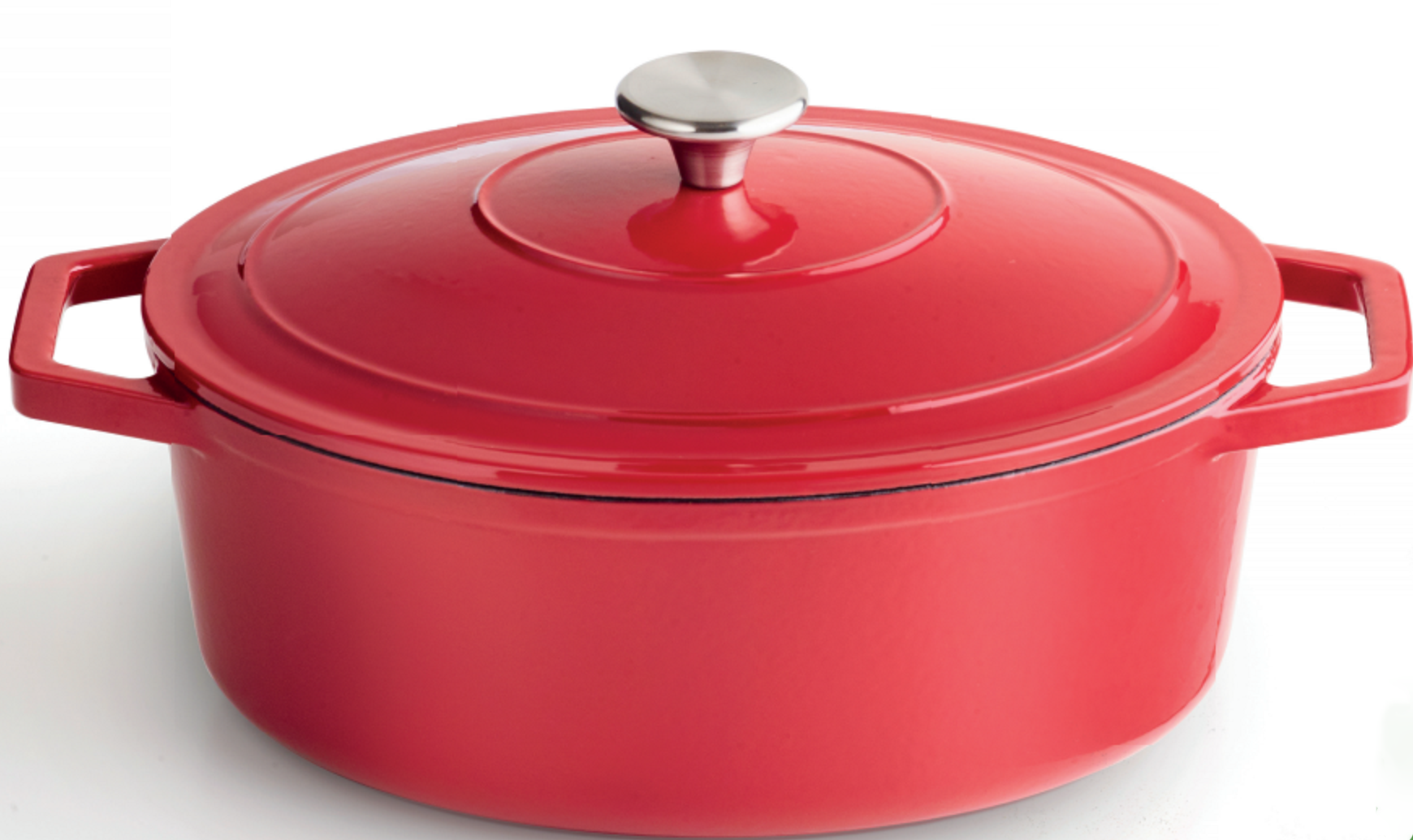
Customized Solutions for B2B Partners
Recognizing that every B2B client has unique operational demands and brand specifications, leading manufacturers offer extensive customization capabilities for the best cast iron skillet for outdoor grill and related products. This bespoke approach ensures perfect integration into existing culinary workflows and reinforces brand identity.
Customization Options Include:
- Size and Form Factor: Tailored dimensions (e.g., larger cooking surfaces, specific depths) to fit industrial grills, ovens, or production lines.
- Handle Design: Ergonomic designs, integrated helper handles, or specific materials (e.g., cast iron, stainless steel, phenolic resin) for safety and comfort in high-volume use.
- Enamel Color & Finish: Custom enamel colors to align with corporate branding, including matte, glossy, or textured finishes.
- Branding & Logo Integration: Casting customer logos directly into the skillet base or lid, providing a premium, lasting brand presence.
- Specialized Coatings: Development of specific enamel formulations for enhanced chemical resistance, non-stick properties, or even more robust thermal shock resistance.
- Lid Design: Custom lids, including self-basting features, steam vents, or specific aesthetic profiles.
This level of customization fosters strong partnerships, allowing clients to procure cookware that is not only functionally superior but also uniquely reflective of their brand and operational needs.
Application Case Studies
Real-world applications demonstrate the tangible benefits of investing in high-quality cast iron cookware for demanding B2B environments. These case studies highlight improved operational efficiency and superior product output.
Case Study 1: High-Volume Outdoor Catering Firm
A leading outdoor catering firm, specializing in large corporate events and festivals, faced challenges with inconsistent cooking temperatures and short lifespans of their previous aluminum and stainless steel skillets on open-flame grills. They transitioned to a fleet of enameled best cast iron skillet for outdoor grill units from a reputable manufacturer.
- Challenge: Maintaining stable high temperatures for searing hundreds of portions, frequent warping of cookware, and high replacement costs.
- Solution: Implementation of heavy-duty, multi-size enameled cast iron skillets.
- Results: Observed a 30% improvement in cooking consistency, reducing wasted product. Cookware lifespan increased by over 200%, significantly cutting procurement expenses. Staff reported better handling due to uniform heat, leading to faster service. The firm also integrated custom branding into their cast iron pieces, enhancing their professional image.
Case Study 2: Boutique Hotel with Rooftop Grill Restaurant
A boutique hotel sought to elevate its rooftop grill restaurant's culinary offerings, aiming for a distinctive, high-quality experience. They desired cookware that not only performed exceptionally but also presented beautifully for direct-to-table service, reflecting the artisanal approach seen in `matty matheson cookware cast iron skillet` collaborations.
- Challenge: Need for versatile cookware capable of precise searing and oven finishing (e.g., `upside down pizza in cast iron skillet`), durable enough for constant use, and aesthetically pleasing for serving.
- Solution: Sourced customized `light weight nonstick cast iron enameled skillet` options in various sizes, with specific handle designs and interior enamel colors, that were suitable for both their outdoor grill and indoor induction cooktops.
- Results: Enhanced menu flexibility, allowing for creative dishes requiring diverse cooking methods. Customer feedback on food quality and presentation improved, directly attributing to the consistent performance of the cast iron. The custom enameled finish proved easy to clean, maintaining its appearance despite heavy use. The hotel also benefited from the versatility of using the same skillets for their `cast iron griddle for induction cooktop` and `cast iron skillet for induction cooktop` needs indoors.
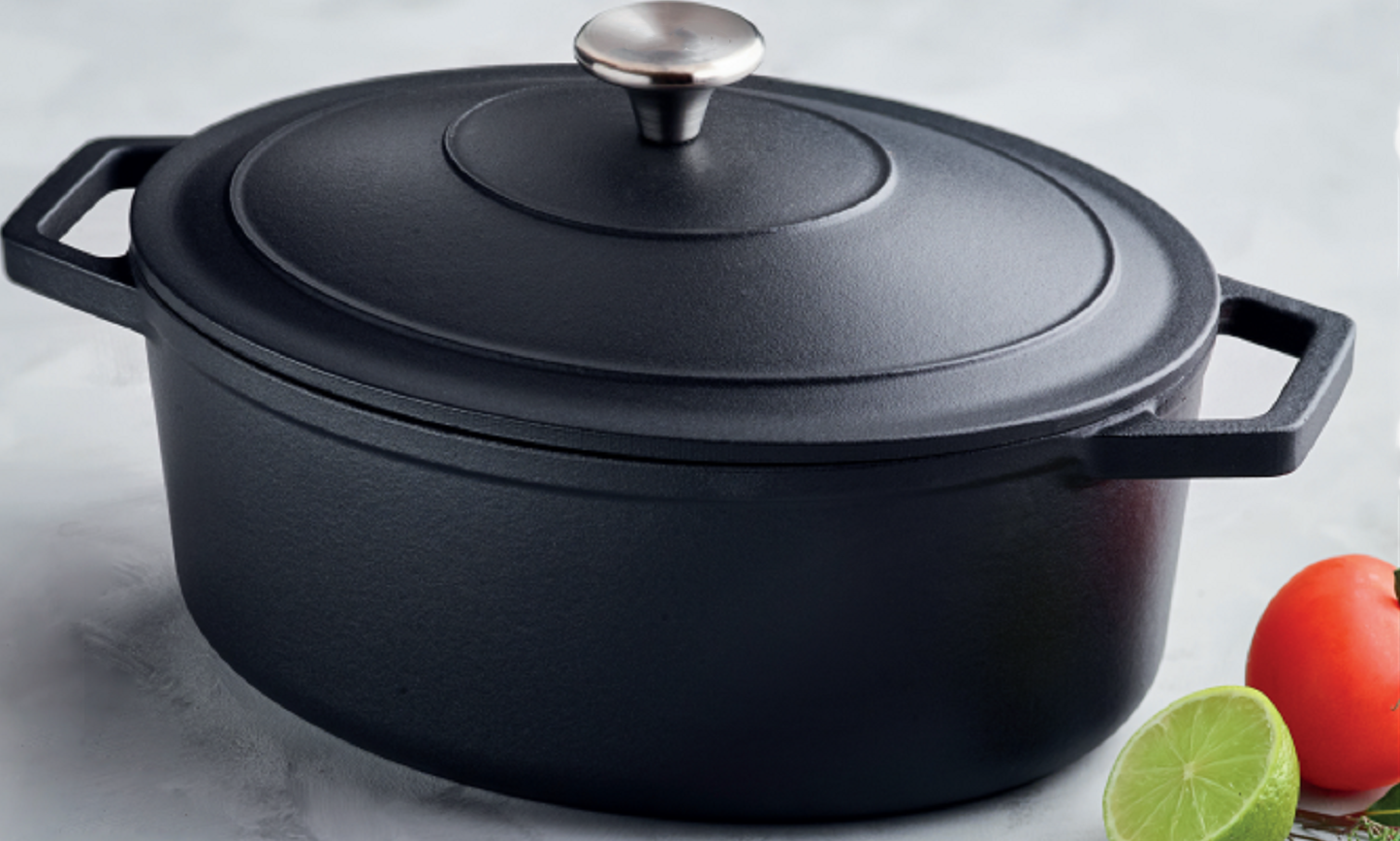
Ensuring Trustworthiness: FAQ, Lead Time, Warranty, and Support
For B2B procurement, confidence in product quality, supply chain reliability, and post-purchase support is paramount. A transparent approach to these factors builds long-term partnerships.
Frequently Asked Questions (FAQ) for B2B Clients:
- Q: What certifications do your cast iron products hold?
A: Our products are manufactured under ISO 9001:2015 certified quality management systems and comply with FDA (U.S.) and EC (EU) food contact safety regulations, including SGS testing for heavy metals. - Q: Are your enameled skillets safe for all heat sources, including induction?
A: Yes, our enameled cast iron skillets are universally compatible with all heat sources, including open flame, charcoal grills, electric coil, ceramic, and induction cooktops. They are designed for thermal stability across varied `cooking with cast iron on electric stove` and `using cast iron skillet on glass top stove` applications. - Q: What is the recommended `pre seasoned cast iron skillet first use` procedure?
A: For pre-seasoned bare cast iron, a simple rinse with hot water and a light coating of cooking oil before first use is recommended. For enameled cast iron, simply wash with warm, soapy water before initial use. - Q: Can I order custom sizes or colors for my specific needs?
A: Absolutely. We specialize in OEM/ODM services, offering extensive customization options for product dimensions, enamel colors, handle designs, and integrated branding to meet unique client specifications.
Lead Time and Fulfillment:
Standard lead times for off-the-shelf products typically range from 30-45 days, depending on order volume and current inventory. For customized solutions and large-scale OEM orders, lead times will be provided upon detailed project scope agreement, generally ranging from 60-90 days, to accommodate mold development, sample approval, and production. We employ robust logistics networks to ensure timely and efficient global delivery.
Warranty Commitments:
We stand by the exceptional quality of our cast iron products. All enameled cast iron skillets come with a limited lifetime warranty against manufacturing defects, subject to normal use and care guidelines. Bare cast iron products carry a 5-year limited warranty. Full warranty terms and conditions are available upon request and are designed to provide B2B clients with long-term confidence in their investment.
Dedicated Customer Support:
Our commitment extends beyond product delivery. We offer comprehensive after-sales support, including technical guidance on product usage, maintenance, and troubleshooting. A dedicated B2B account management team is available to assist with order inquiries, customization projects, and any post-purchase requirements, ensuring a seamless experience for our partners.
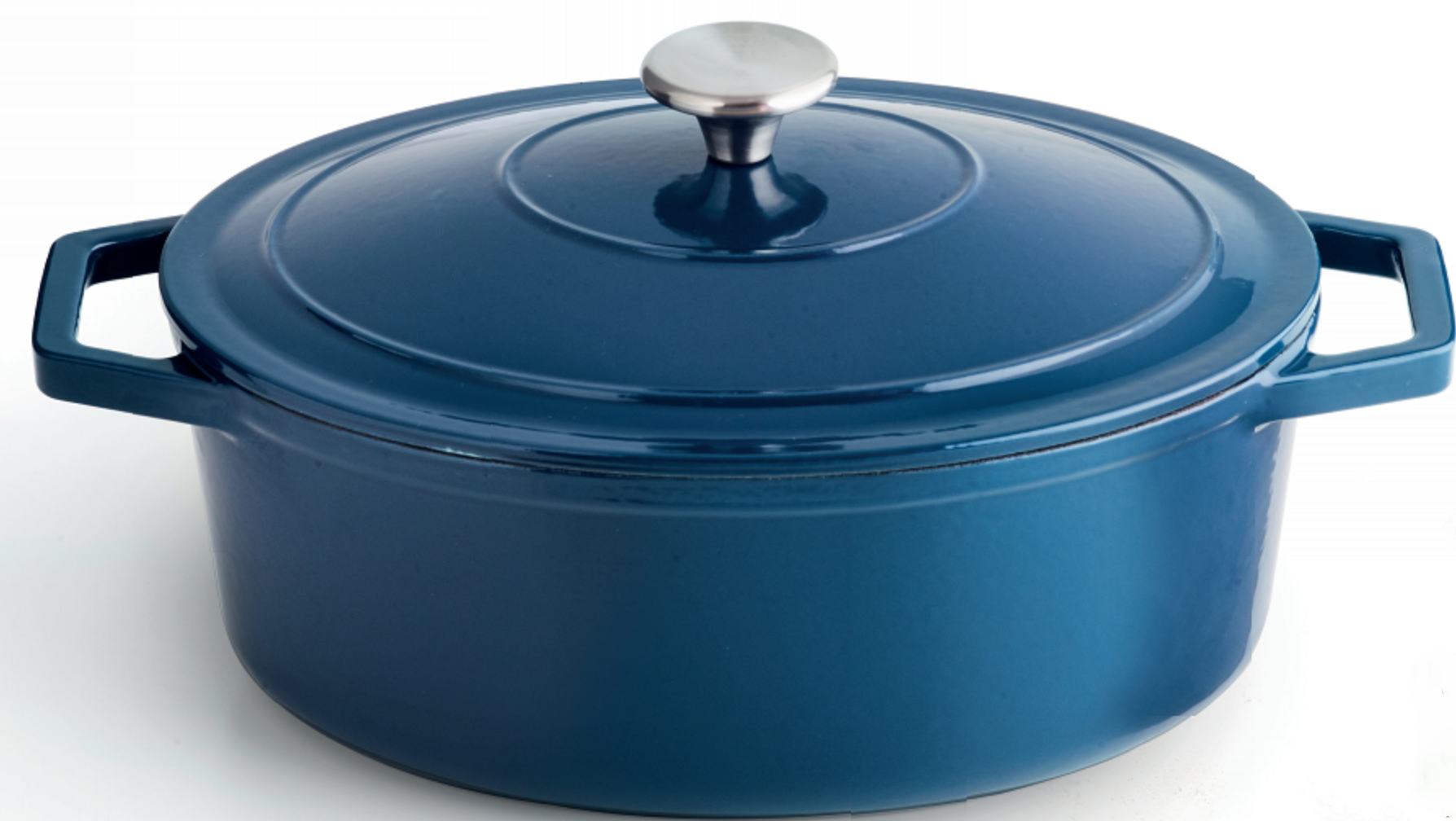
Conclusion
The strategic procurement of the best cast iron skillet for outdoor grill applications represents a critical decision for B2B enterprises in the culinary and hospitality sectors. The fusion of traditional metallurgical excellence with modern manufacturing precision yields cookware that not only withstands the rigors of commercial use but also significantly enhances cooking performance and efficiency. By prioritizing products with superior thermal characteristics, robust construction, and comprehensive B2B support, organizations can ensure long-term operational success, elevate culinary standards, and achieve a substantial return on investment. The continuous innovation in cast iron technology, including advancements like the `light weight nonstick cast iron enameled skillet`, further solidifies its position as an indispensable asset in the professional kitchen ecosystem.
Citations:
- American Society for Testing and Materials (ASTM) Standards for Gray Iron Castings (A48/A48M).
- International Organization for Standardization (ISO) 9001:2015 Quality Management Systems.
- U.S. Food and Drug Administration (FDA) Regulations for Food Contact Materials.
- National Sanitation Foundation (NSF) International Standards for Food Equipment.
- Materials Science and Engineering: An Introduction by William D. Callister Jr.
-
China PC Light Cast Iron Wok Traditional Heat with Modern Weight
NewsApr.16,2026
-
Professional Guide to China Cleaning Cast Iron Wok Maintenance
NewsApr.09,2026
-
Explore the Benefits of a China Cast Iron Grilling Wok for Your Kitchen
NewsApr.07,2026
-
China Victoria Cast Iron Wok A Comprehensive Guide to Quality Cookware
NewsApr.04,2026
-
Discover the Superior Quality of China Enameled Cast Iron Wok Cookware
NewsMar.31,2026
-
Discover the Benefits of a China Cast Iron Wok with Lid for Authentic Cooking
NewsMar.28,2026