- 150m Southwards, West DingWei Road, Nanlou Village, Changan Town, GaoCheng Area, Shijiazhuang, HeBei, China
- monica@foundryasia.com
Oct . 03, 2025 11:40 Back to list
2 Quart Enameled Cast Iron Dutch Oven: Compact, Even Heat?
A Field Note on the Small-Volume Dutch Oven: why a 2-quart still matters
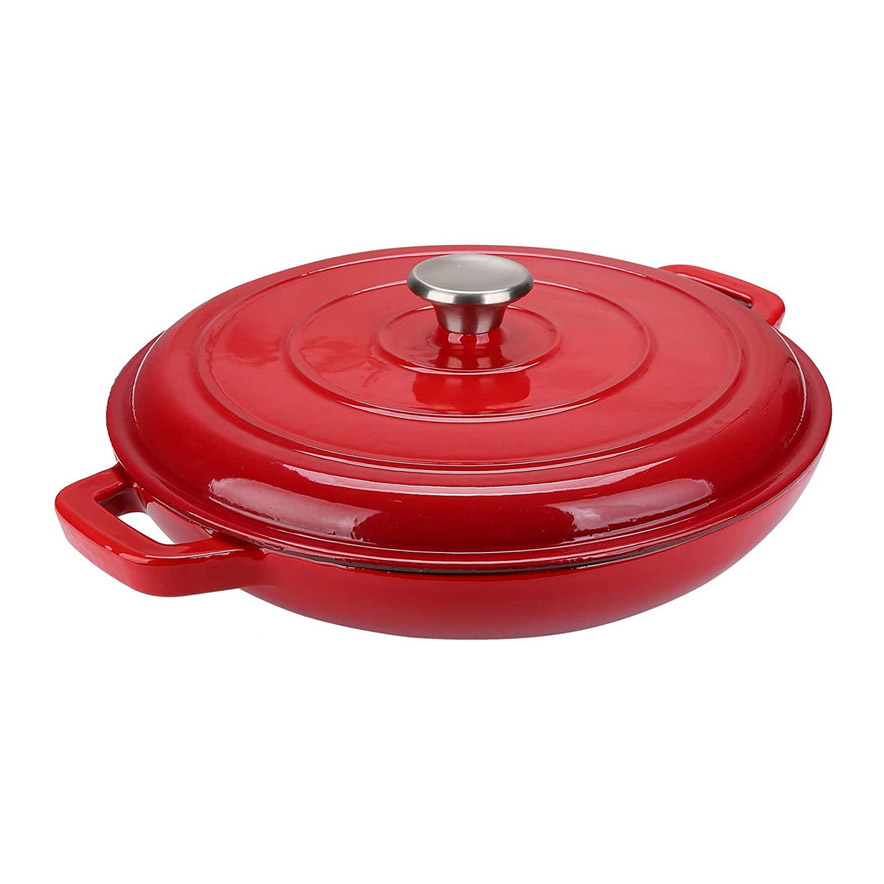
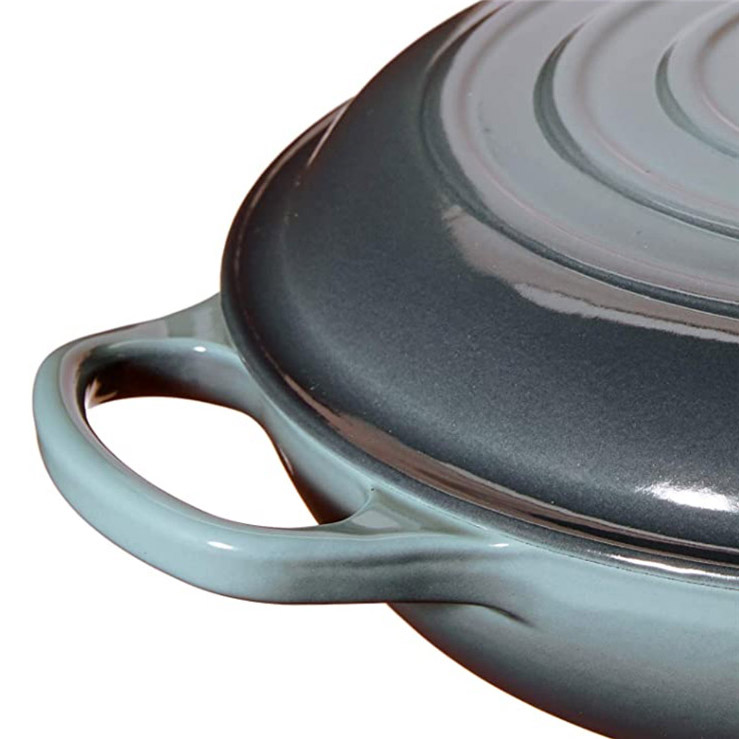
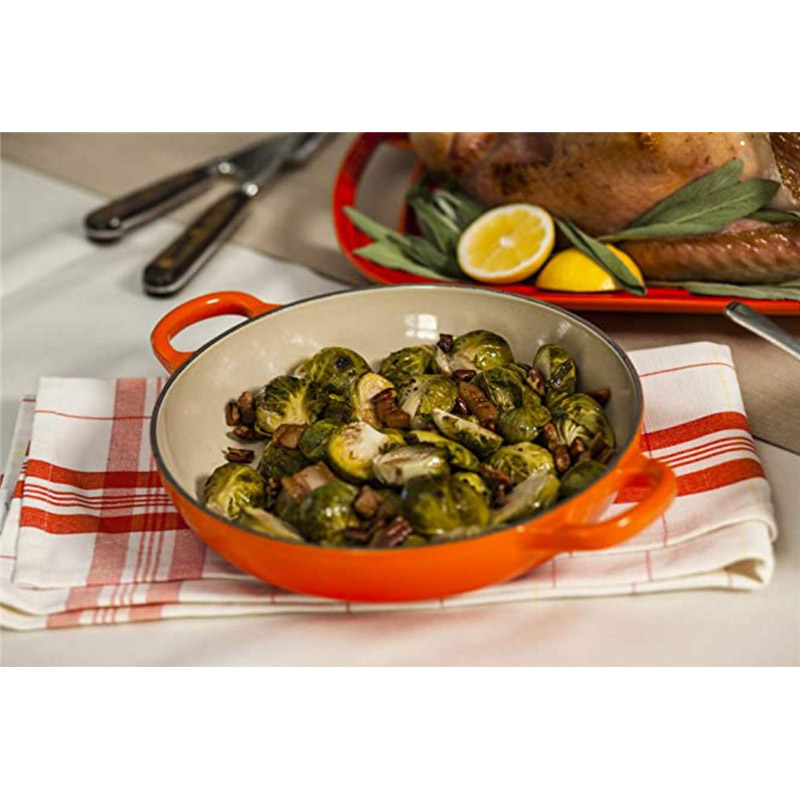
If you cook for one or two, a 2 quart enameled cast iron dutch oven hits a sweet spot: compact, efficient heat, zero fuss weeknights. I’ve tested countless mini pots for sauces, grains, and “I only have 30 minutes” braises; the best ones feel dense, enamel is glassy-smooth, and lids seal with a quiet confidence. The model on my desk today is a cousin to the Enameled Cast-Iron Round Braiser made in GaoCheng, HeBei, China—more on the plant and process in a second.
Market pulse: small is smart
Downsized cookware is having a moment. Urban kitchens, energy-aware cooking, and single-serve meal kits are pushing demand for compact cast iron. To be honest, I used to think 2-quart was niche. Not anymore. Retail data and what I hear from buyers point to steady growth in sub-3.5 qt inventory. Foundries that can tune wall thickness, enamel chemistry, and lid geometry at small volume are scooping up OEM contracts. Interestingly, many customers say they reach for the small pot more often than the big one—dinner for two, oatmeal, tomato confit, garlic oil—done and dusted.
Specs that matter (and a quick reality check)
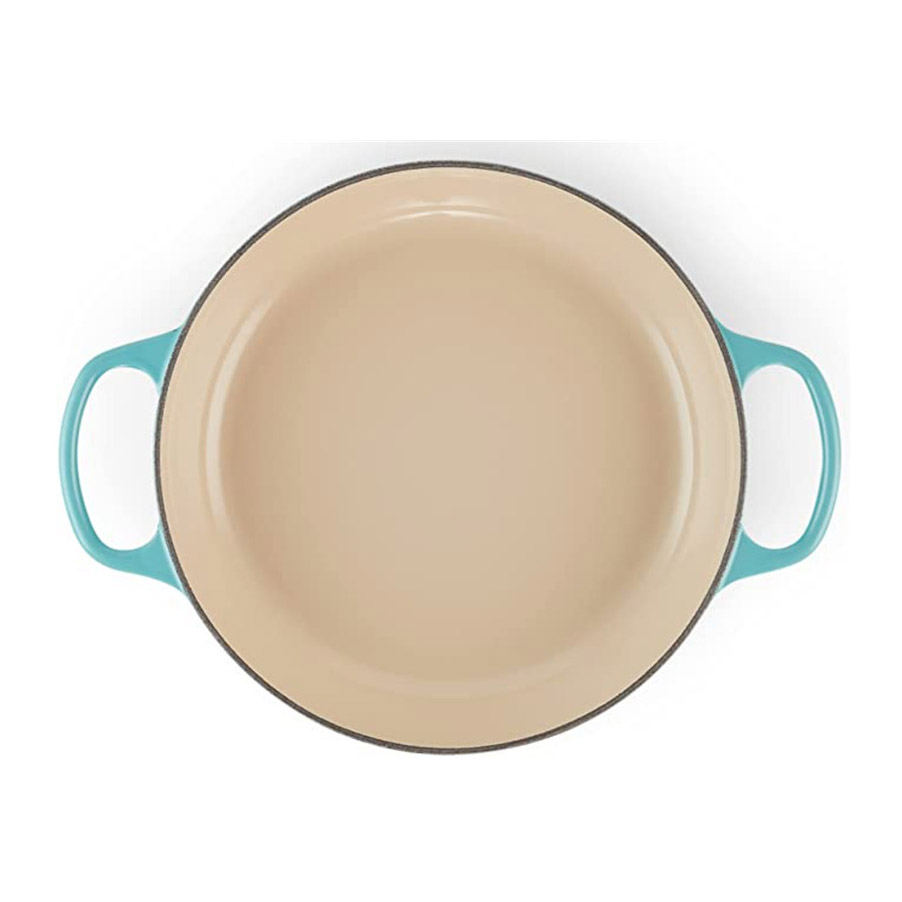
Foundry Asia’s Enameled Cast-Iron Round Braiser ships in 3.5 qt and 5.5 qt, but the line is configurable—yes, a 2 quart enameled cast iron dutch oven variant can be tooled for OEM runs. Here’s the typical baseline:
| Parameter | Spec (≈ real-world values) |
|---|---|
| Material | Cast iron, vitreous enamel (interior & exterior) |
| Capacities | 3.5 qt, 5.5 qt; OEM custom ≈ 2.0–2.5 qt |
| Diameter options | 25 / 28 / 30 cm; 2-qt typically ≈ 20–22 cm |
| Wall/Bottom thickness | ≈ 3.8–4.5 mm |
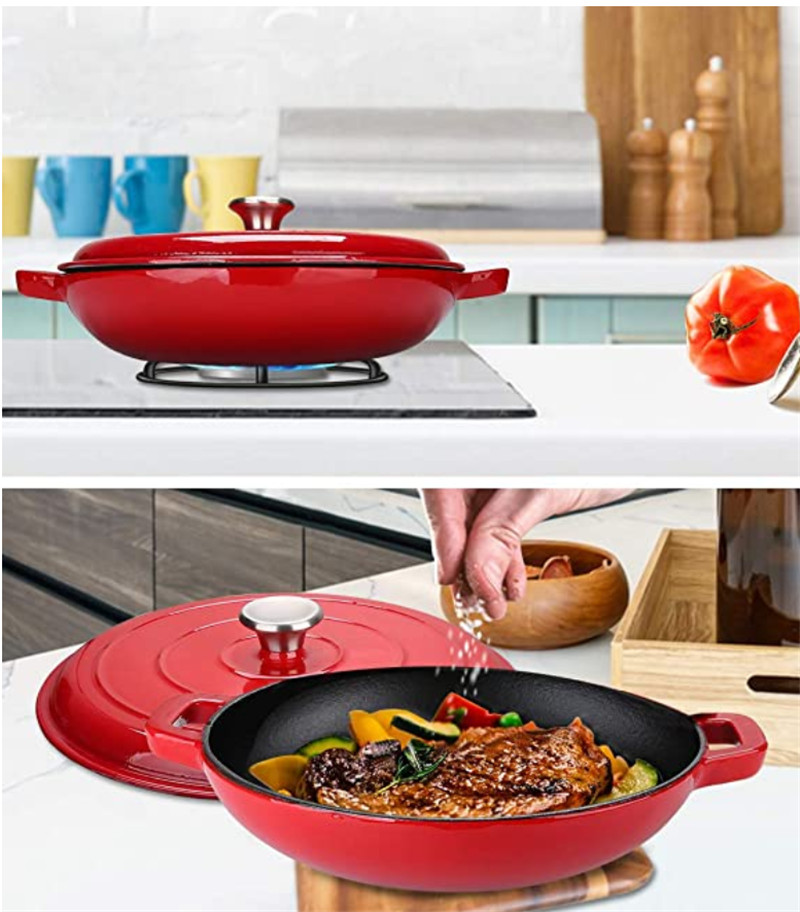
| Oven / Cooktop | Up to 260°C/500°F; gas, electric, induction |
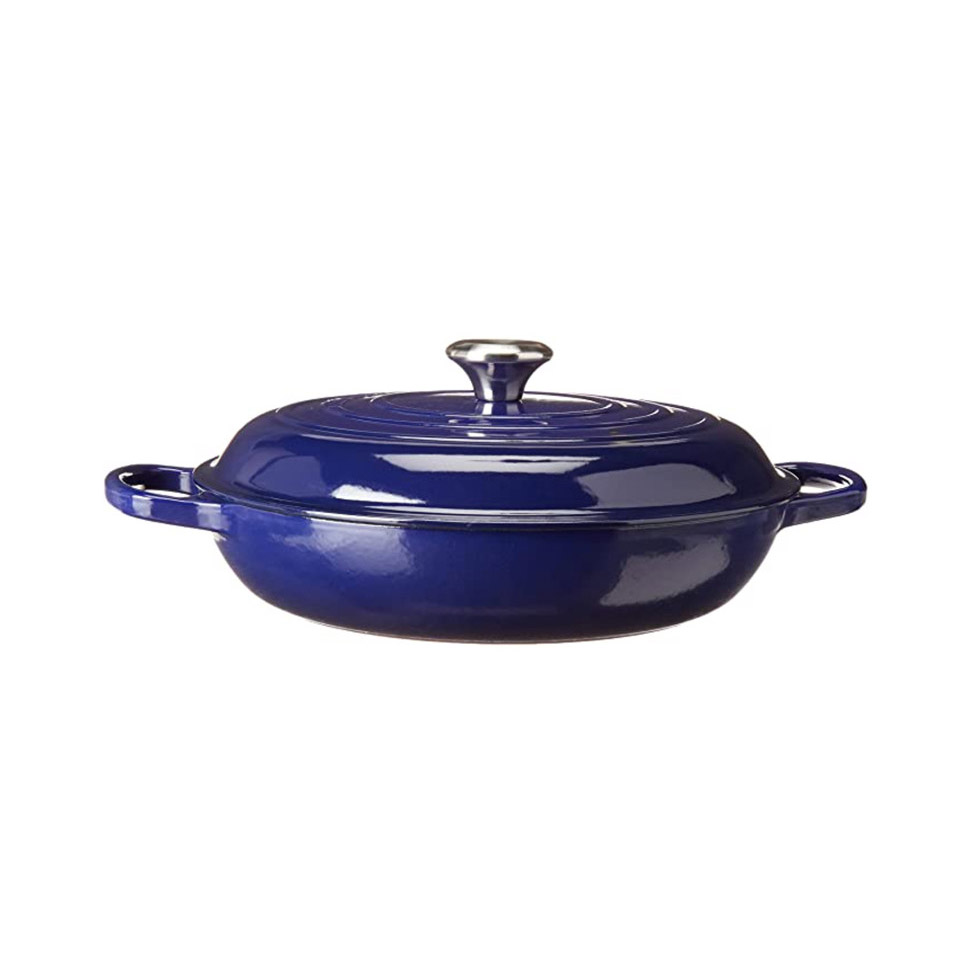
| Colors | Customized: red, blue, pink, grey, purple, white, black |
| Certifications (typical) | ISO 9001 plant; enamel migration per ISO 4531; LFGB/FDA contact compliance |
Process snapshot: recycled iron charges are melted, sand-cast, shot-blasted, CNC-trimmed, enamel-primed, color topcoat sprayed (or flow-coated), and fired ≈ 800–840°C. QC includes enamel adhesion pull tests, Taber abrasion (ASTM D4060), and metal release checks to ISO 4531. Service life? If you avoid thermal shock, easily 10+ years at home, often longer.
Use cases and advantages
- Weeknight braises for two, risotto, mac and cheese, baked beans.
- Sourdough mini-loaves (lid traps steam; spring is surprisingly good).
- Infusions: chili oil, confit garlic—steady low heat, no hotspots.
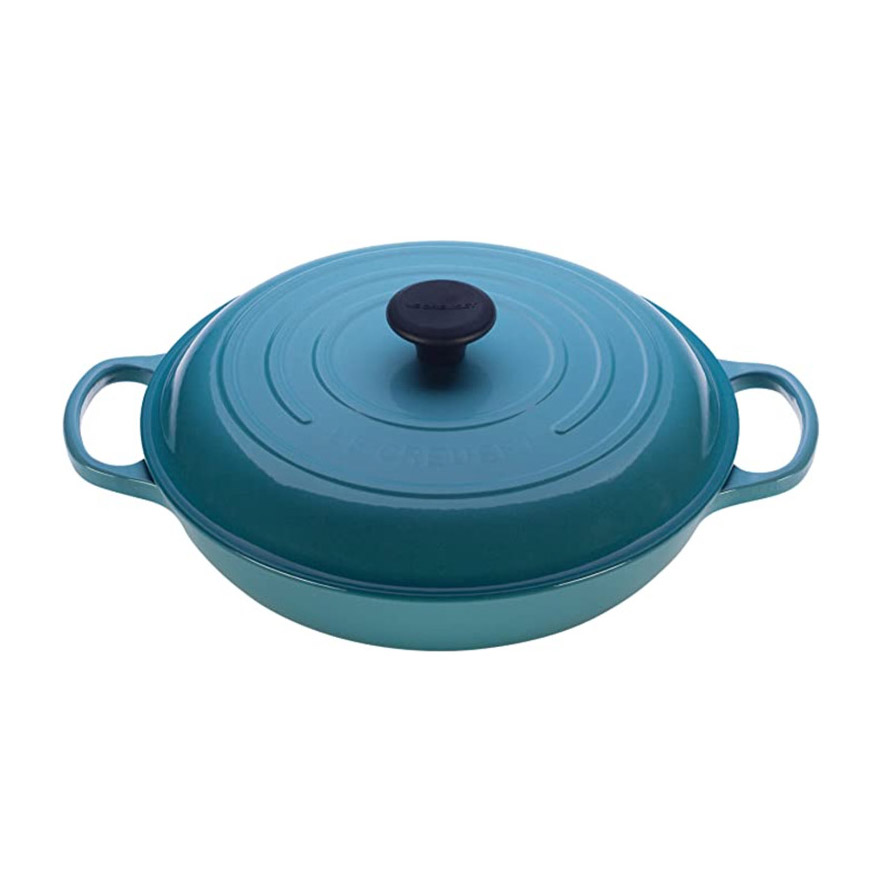
Advantages: thick base reduces scorching; enamel is non-reactive for tomatoes and wine; induction-ready; cleans up easily. A few buyers told me they prefer a 2 quart enameled cast iron dutch oven because it heats faster and discourages “overcooking for five.” Fair point.
Vendor landscape (quick comparison)
| Vendor | Enamel System | QC/Testing | Customization | Lead Time | Price Index |
|---|---|---|---|---|---|
| Foundry Asia (HeBei) | 2–3 coat, high-gloss | ISO 4531, LFGB/FDA, Taber | Colors, knobs, 2–5.5 qt | ≈30–45 days | $ |
| Premium EU Brand | Multi-layer gradient | Full traceability, EN 12983 | Limited OEM | ≈60–90 days | $$$ |
| Marketplace Importer | Single-coat econ | Basic inspection only | Limited colors | ≈15–25 days | $ (variable) |
Testing, compliance, and real-world data
Typical lab results I’ve seen from compliant enamel lines:
- Metal release (Pb/Cd) per ISO 4531: below quantification limits in 4% acetic acid.
- Taber abrasion (ASTM D4060, CS-10, 1000g, 1000 cycles): ≈ 60–90 mg loss.
- Dishwasher cycles (EN 12875-like): no gloss loss after 50 cycles; minor at 200 (acceptable).
- Handle/knob heat resistance: to 260°C; higher with stainless knob.
Origin disclosure: 150m Southwards, West DingWei Road, Nanlou Village, Changan Town, GaoCheng Area, Shijiazhuang, HeBei, China. Factory tours are available—ask for enamel line firing schedules if you’re planning a custom 2 quart enameled cast iron dutch oven run.
Customization and MOQ
Colorways (matte or gloss), gradient enamels, laser logo under-lid, and alternate knobs (phenolic vs. stainless) are standard. MOQs vary, but I’ve seen ≈ 500–1,000 units per color for a 2 quart enameled cast iron dutch oven. Private-label packaging and barcode kits? Routine.
Mini case study
A boutique retailer commissioned a 2.1-qt round with a matte sage exterior. After a 6-week pilot, returns were under 1.2%, mostly cosmetic chips from shipping (fixed with thicker end caps). Sell-through beat 4.5-qt by 31% because, as one buyer put it, “it fits my Tuesday.” Honestly, that’s the whole story of the smaller dutch oven.
References
- ISO 4531:2018 – Vitreous and porcelain enamels — Release of metals from enamelled articles.
- LFGB (Germany) Food, Articles of Daily Use and Feed Code; migration testing guidance.
- FDA 21 CFR 175.300 – Resinous and polymeric coatings for food contact.
- EN 12983-1:2023 – Cookware for domestic use.
- ASTM D4060 – Standard Test Method for Abrasion Resistance of Organic Coatings by the Taber Abraser.
-
China PC Light Cast Iron Wok Traditional Heat with Modern Weight
NewsApr.16,2026
-
Professional Guide to China Cleaning Cast Iron Wok Maintenance
NewsApr.09,2026
-
Explore the Benefits of a China Cast Iron Grilling Wok for Your Kitchen
NewsApr.07,2026
-
China Victoria Cast Iron Wok A Comprehensive Guide to Quality Cookware
NewsApr.04,2026
-
Discover the Superior Quality of China Enameled Cast Iron Wok Cookware
NewsMar.31,2026
-
Discover the Benefits of a China Cast Iron Wok with Lid for Authentic Cooking
NewsMar.28,2026