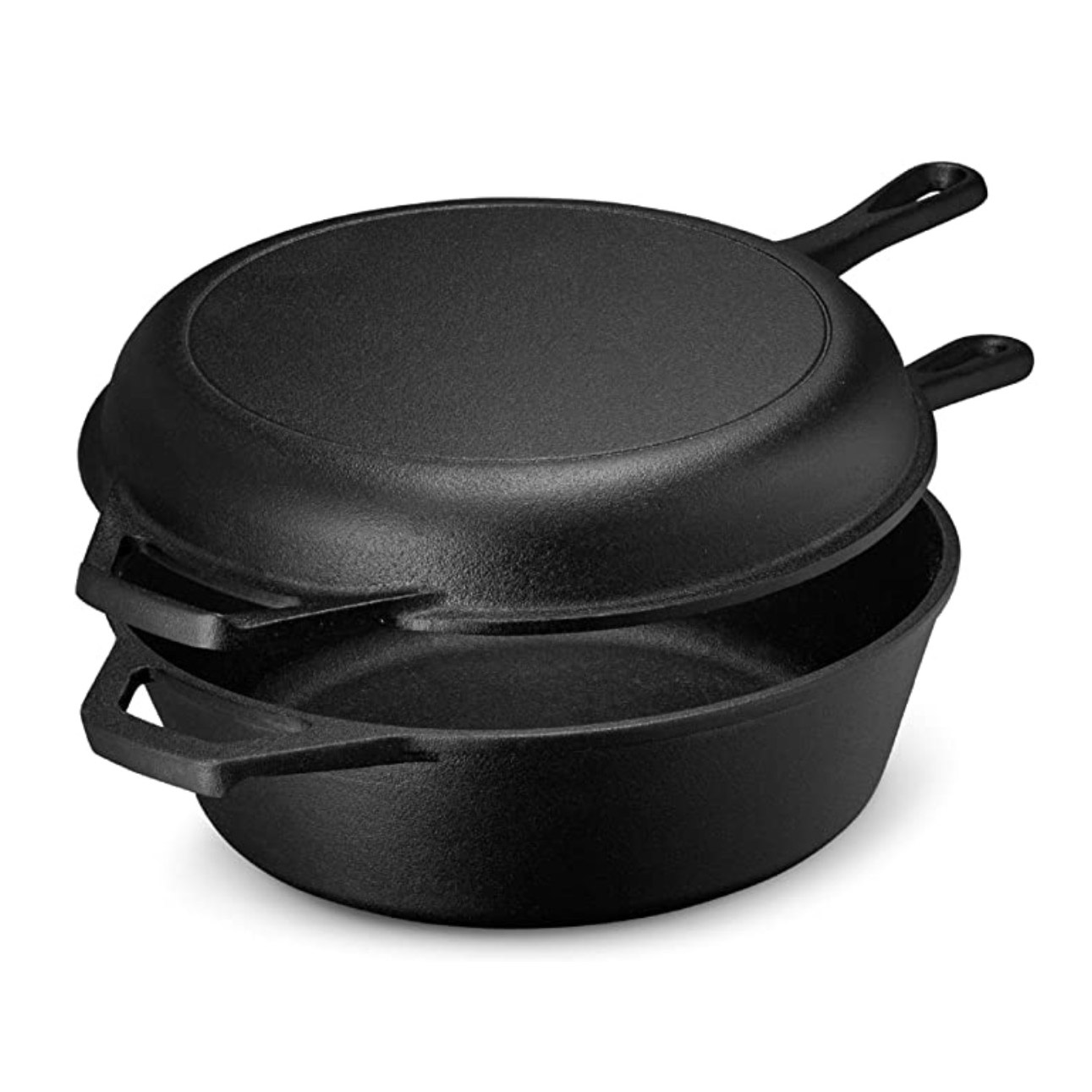
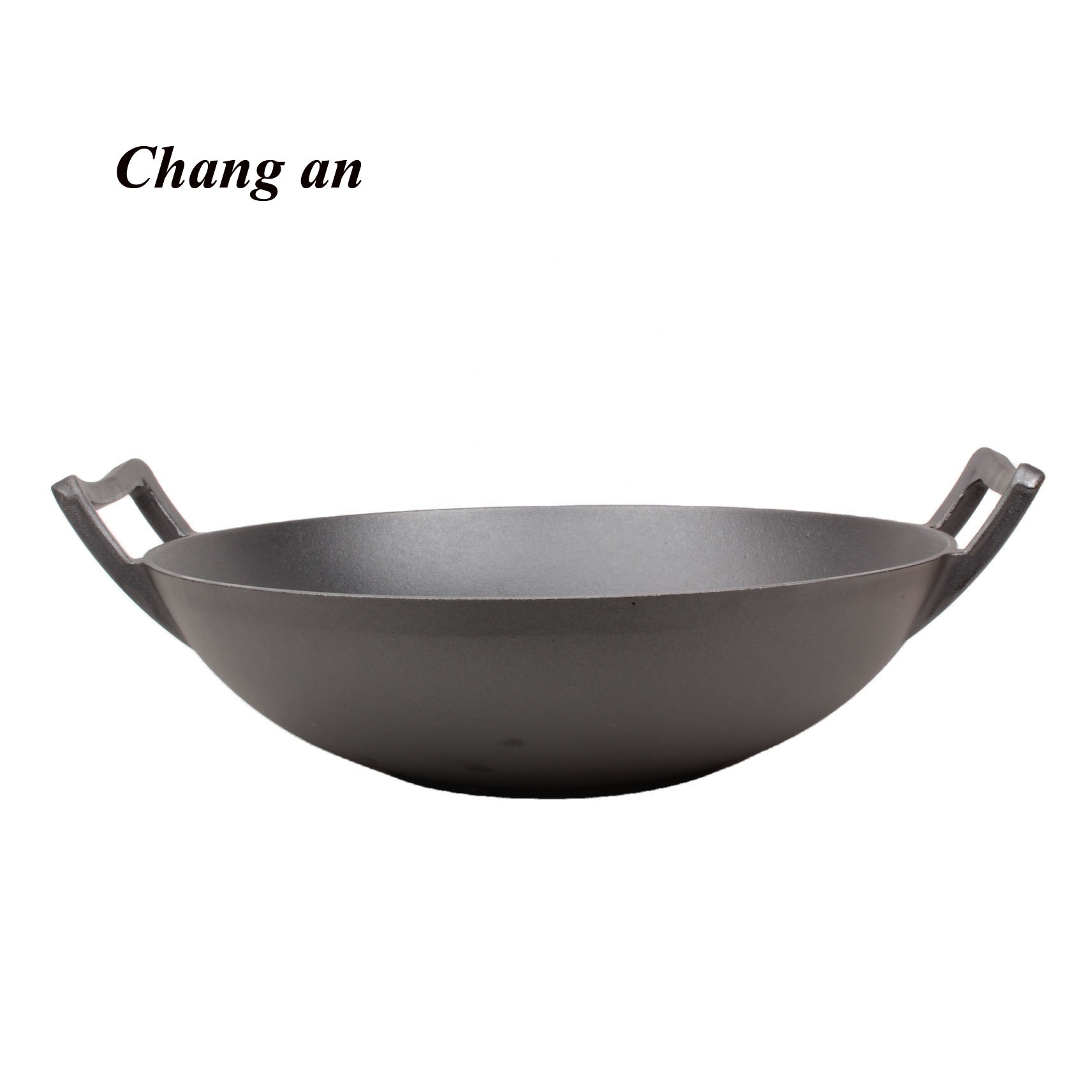
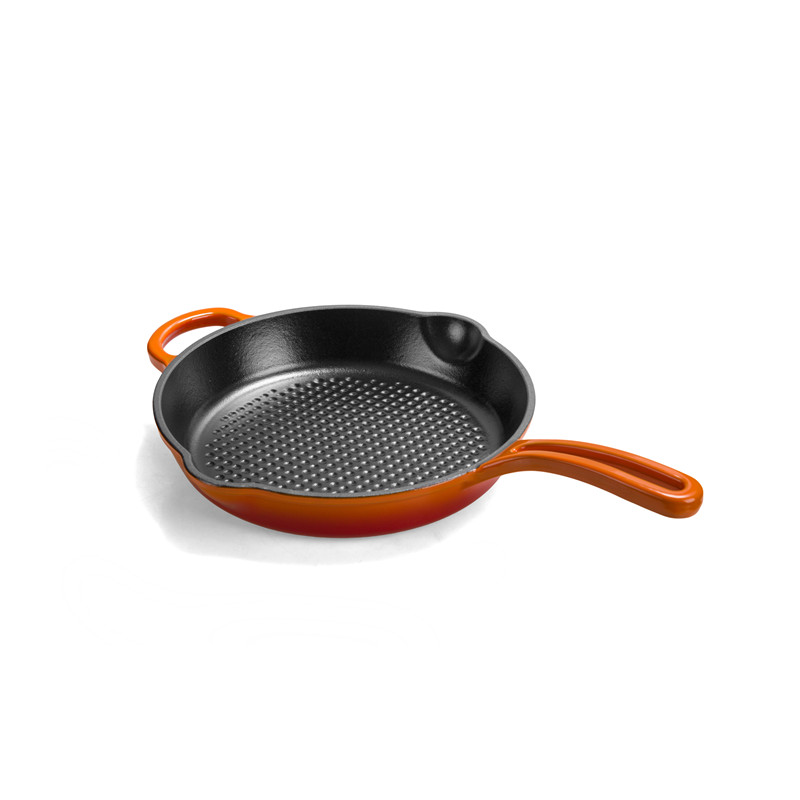
Elevate your culinary offerings with our premium range of ceramic cast iron frying pans, cast iron griddle pans, Chinese cast iron woks, flat cast iron griddles, and more. Designed for professional kitchens and high-volume operations, each piece combines durability, performance, and precise craftsmanship, ensuring reliable results for chefs and catering services. Our cookware delivers even heat distribution and excellent heat retention, allowing for consistent cooking across searing, stir-frying, grilling, and slow-cooking applications.
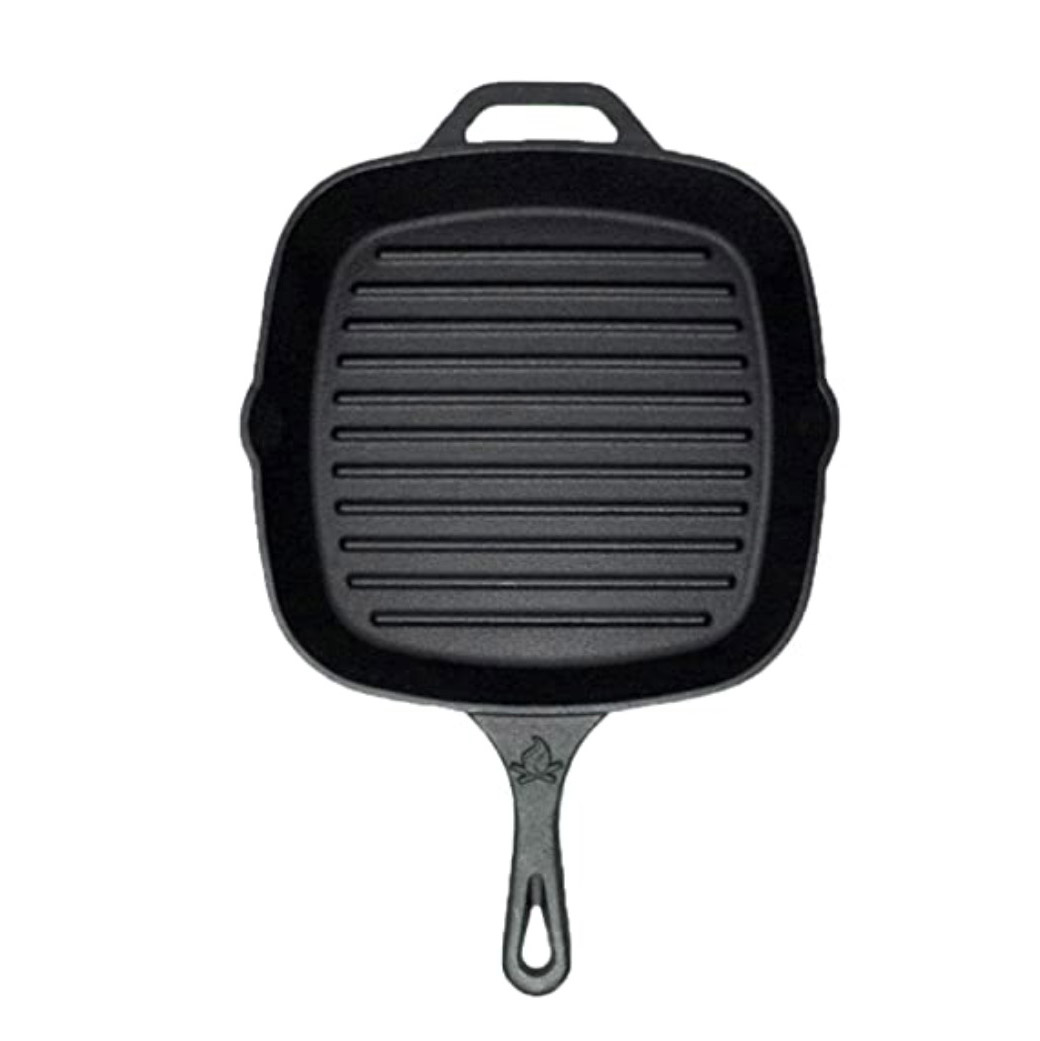
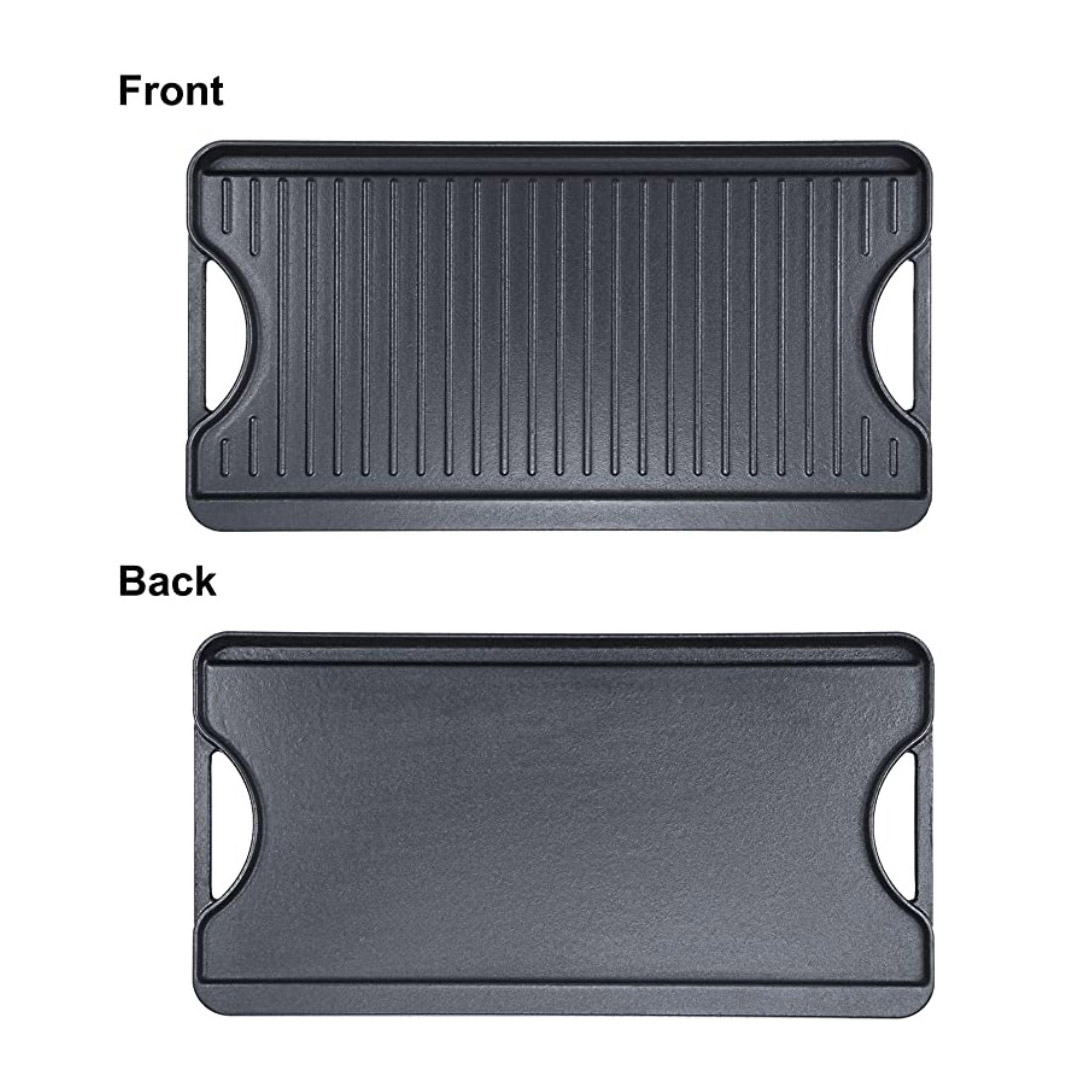
The ceramic cast iron frying pan features a smooth, seasoned surface that enhances nonstick performance, simplifies cleaning, and preserves the natural flavor of ingredients. The cast iron griddle pan is ideal for toasting, grilling, and preparing breakfast items, while the flat cast iron griddle offers maximum contact for large-scale cooking tasks, delivering uniform browning and professional presentation. For authentic Asian cuisine, our Chinese cast iron wok provides rapid heat transfer and a seasoned surface for superior stir-fry results.
Each product reflects the quality and expertise expected from leading cast iron skillet manufacturers. Built to withstand rigorous daily use, our cookware offers long-term durability, reducing replacement costs and maintaining consistent performance in commercial settings. The versatile designs accommodate a wide range of cooking methods, from high-heat searing to slow braising, supporting operational efficiency and flexibility.
Beyond functionality, our cast iron cookware presents a professional, timeless appearance, enhancing kitchen aesthetics and customer presentation. Every piece is engineered for high-volume operations, providing energy-efficient heat retention and reliable performance across multiple dishes. Ideal for hotels, restaurants, catering businesses, and wholesale distributors, our cookware range combines premium quality, efficiency, and versatility, supporting professional kitchens in delivering consistently high standards. By choosing our products, B2B partners gain reliable, long-lasting cookware that enhances workflow, reduces maintenance, and elevates culinary results—making it an indispensable investment for commercial kitchens and large-scale food operations.
Classic Beef Stew in a Cast Iron Casserole
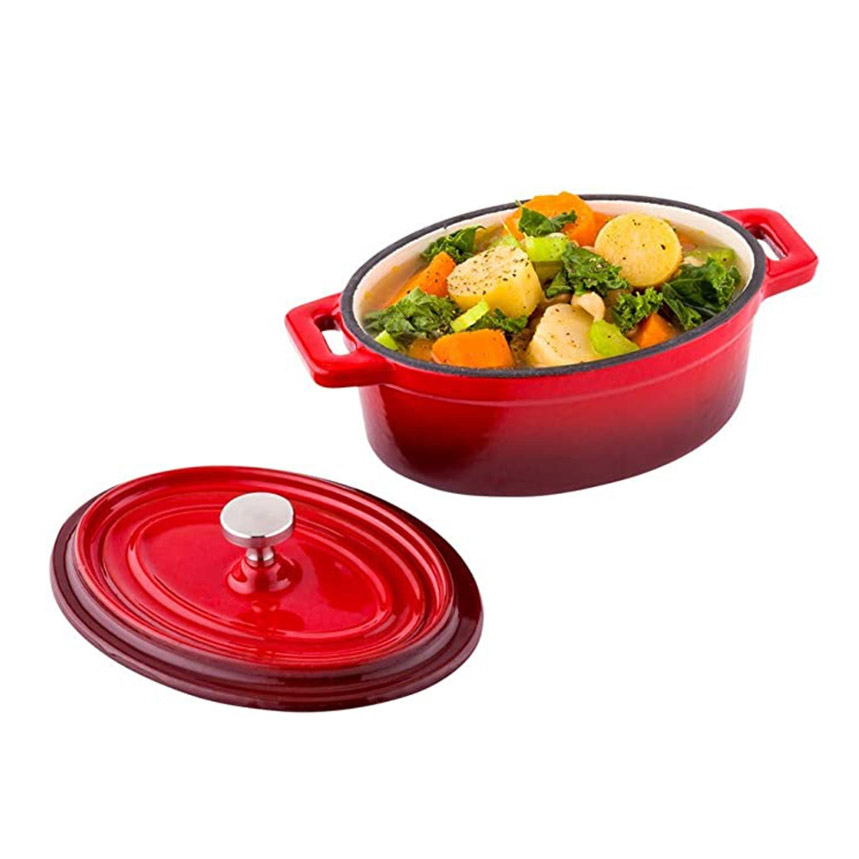
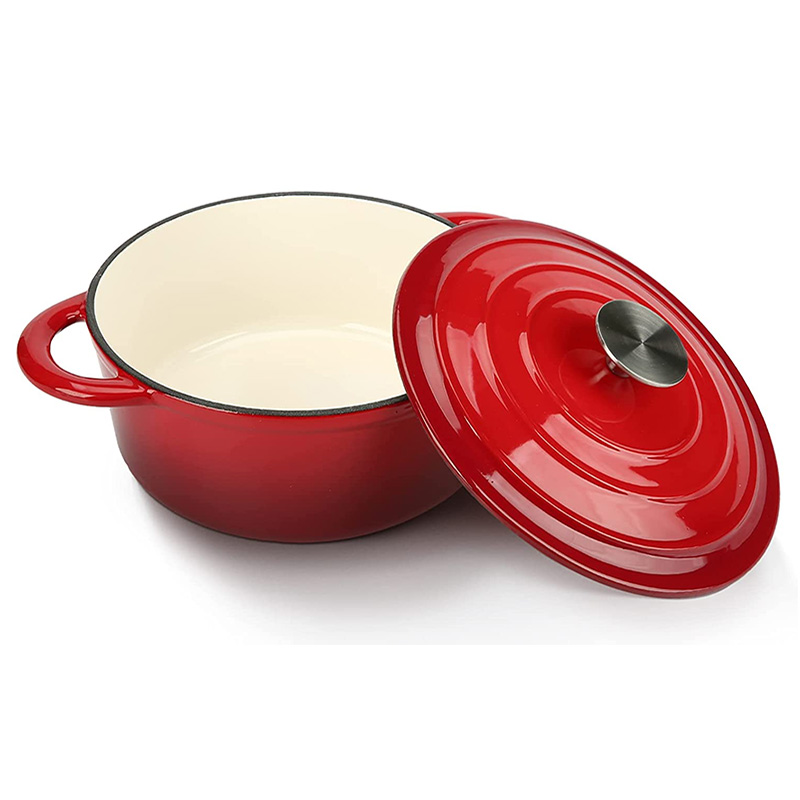
Few dishes showcase the strengths of a cast iron casserole dish better than a hearty beef stew. The steady heat distribution allows tough cuts of beef to break down into tender, flavorful bites while vegetables absorb the richness of the broth. For restaurants or hotels, this recipe is not only cost-effective but also efficient, as large portions can be cooked at once and kept warm for service.
To elevate the stew, chefs often sear the meat first in a cast iron skillet with lid or a ceramic cast iron frying pan. This locks in juices and creates a browned crust that enriches the flavor. Once transferred to the casserole, the beef simmers slowly with carrots, potatoes, onions, and herbs. The result is a deeply comforting dish, ideal for both casual dining and fine dining establishments. What makes cast iron unique is its heat retention. Even when serving buffets or catered events, the casserole keeps the stew warm without constant reheating, saving energy and maintaining taste. The enamel coating prevents sticking and makes cleaning fast—important for high-volume kitchens.
Restaurants serving European classics or pubs offering hearty meals benefit greatly from such dishes. And because the cookware is designed for presentation as well as cooking, the casserole can move directly from kitchen to table. For B2B buyers, stocking cast iron casserole dishes means offering clients a product that not only supports efficient cooking but also enhances customer experience. This versatility ensures long-term demand in global markets, making it a reliable addition to wholesale catalogues.
Baked Pasta Perfection with Enamel Cast Iron Casserole
For high-traffic dining environments, pasta bakes are a customer favorite that can be prepared ahead of time and served quickly. Using a cast iron casserole dish with lid, pasta stays moist while the top develops a golden, cheesy crust. This combination of creamy interior and crispy topping makes it an irresistible option for families, cafeterias, and catering services.
The process begins with boiling pasta, then layering it with a tomato or cream-based sauce, vegetables, and cheese. The casserole is placed in the oven, where the cast iron griddle pan can also be used for pre-cooking toppings such as sausage or grilled vegetables. The superior heat distribution of cast iron ensures the pasta is cooked evenly throughout, eliminating undercooked spots that can be common with lighter cookware.
Beyond pasta, wholesalers can highlight the adaptability of cast iron for similar baked dishes such as lasagna, moussaka, or au gratin potatoes. Each recipe benefits from the heat-retention properties that keep food warm during service. This is particularly important for banquet settings or catering lines where dishes must hold quality for longer periods.
An added value for professional buyers is the ability to use matching cookware sets, such as combining a flat cast iron griddle for appetizers, a Chinese cast iron wok for stir-fry sides, and a casserole for the main dish. This not only provides efficiency in the kitchen but also consistency in presentation for upscale venues.
The baked pasta casserole is a prime example of how versatile cookware can maximize kitchen performance. By choosing premium products from leading cast iron skillet manufacturers, buyers secure durable, long-lasting tools that chefs rely on daily. For B2B markets, this is a smart investment that supports both quality cooking and long-term cost savings.
Mediterranean Vegetable Bake in a Vintage Enamel Dutch Oven
Healthy, plant-forward dishes are growing in demand, especially in restaurants and catering businesses focusing on Mediterranean cuisine. A cast iron casserole dish is the perfect vessel for a layered vegetable bake featuring zucchini, eggplant, peppers, and tomatoes. Its heat stability ensures that the vegetables roast evenly, releasing natural flavors while retaining their nutritional value.
The dish begins with sliced vegetables arranged in the casserole, often pre-seared in a ceramic cast iron frying pan for added caramelization. Once layered with olive oil, herbs, and spices, the casserole is covered and roasted. The lid keeps moisture in, preventing dryness while intensifying flavors. When presented at the table, the vibrant colors and aroma make it as appealing visually as it is to taste.
Professional kitchens benefit from the multifunctionality of cast iron here. While the casserole is roasting vegetables, a cast iron griddle pan can simultaneously cook halloumi or flatbreads, while a Chinese cast iron wok prepares stir-fried sides. The combination of these cookware options creates efficiency in commercial kitchens that need to handle multiple orders at once.
B2B buyers gain added value when investing in cast iron for vegetable-based menus. The cookware’s durability allows repeated use in high-temperature ovens without warping, unlike cheaper alternatives. This reliability is essential for large-scale foodservice operations where consistency is key. For catering companies and hospitality groups, the vegetable bake also offers presentation appeal. Enamel-coated casserole dishes can be served directly at buffets or banquet tables, eliminating the need for transferring food to separate serving trays. This reduces labor costs while enhancing the guest experience.
By choosing suppliers that are established cast iron skillet manufacturers, wholesale buyers ensure that their clients receive cookware capable of supporting the growing demand for healthy, flavorful meals. The Mediterranean bake is not just a recipe—it’s a showcase of how cast iron elevates culinary artistry.
Chicken and Rice One-Pot Meal in Cast Iron Casserole
Efficiency is critical in commercial kitchens, and nothing demonstrates this better than a chicken and rice one-pot meal. Using a cast iron casserole dish with lid, chefs can prepare protein, starch, and flavor all in a single container, reducing both cooking time and cleanup. This is especially valuable for catering businesses, hotels, and institutional kitchens where productivity is key.
The recipe involves searing seasoned chicken pieces in a cast iron skillet with lid or a flat cast iron griddle to develop a golden crust. Rice, stock, and vegetables are then added directly into the casserole, and the dish simmers until the flavors blend perfectly. The sealed lid retains moisture, ensuring fluffy rice and tender chicken.
Professional kitchens also benefit from the flexibility of combining tools: a cast iron griddle pan can be used for searing vegetables before adding them, while a Chinese cast iron wok allows quick stir-fried side dishes to complement the main course. This integration across cookware highlights the strength of investing in a full cast iron product line.
For B2B markets, the one-pot chicken and rice recipe demonstrates how cast iron can increase efficiency and reduce costs. Kitchens save energy since cast iron holds heat longer, and staff save time with fewer dishes to wash. In large operations where every minute counts, these benefits translate into measurable value.
Additionally, the durability of cast iron makes it a reliable choice for long-term use. Buyers from the foodservice industry appreciate knowing that their investment in cookware won’t require constant replacement. By sourcing from trusted cast iron skillet manufacturers, wholesalers provide their clients with cookware that consistently performs under pressure.
Bread Baking in a Cast Iron Casserole
Beyond savory meals, cast iron proves its versatility in baking. Artisan bread, with its crisp crust and airy interior, can be perfectly achieved in a cast iron casserole dish. The enclosed environment traps steam, replicating the effects of professional steam ovens, making it possible for restaurants, cafes, and bakeries to serve bakery-quality bread without specialized equipment.
The process begins with dough prepared in advance. Once shaped, it is placed in the preheated casserole, often alongside a ceramic cast iron frying pan used for warming accompaniments. The lid ensures moisture stays inside, creating the ideal conditions for a crunchy exterior while the interior remains soft and chewy.
Chefs can diversify their offerings by baking sourdough, whole grain loaves, or flavored breads with herbs and cheese. The consistent heat distribution of cast iron guarantees even baking, avoiding the common issue of undercooked centers. For commercial bakeries, the durability of a flat cast iron griddle can also be highlighted for items like naan or flatbreads, while a Chinese cast iron wok might be repurposed for steaming buns—demonstrating the wide adaptability of cast iron products.