Brandon Cole
Senior Buyer, Lodge Wholesale, Nashville
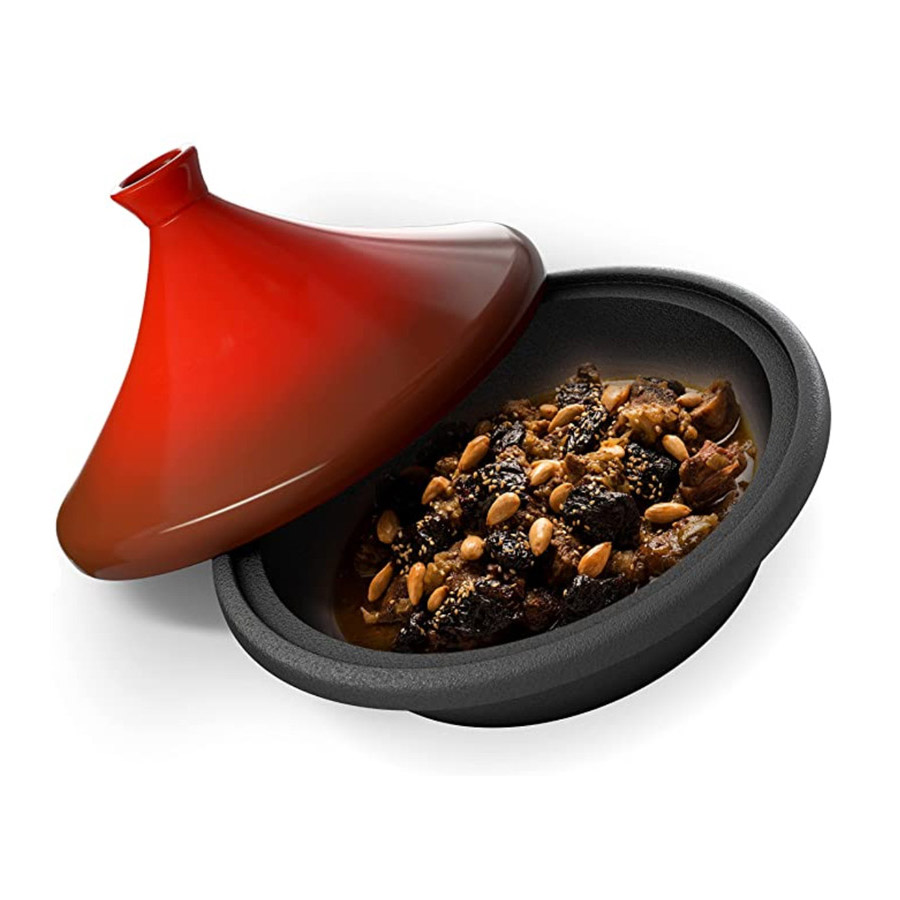
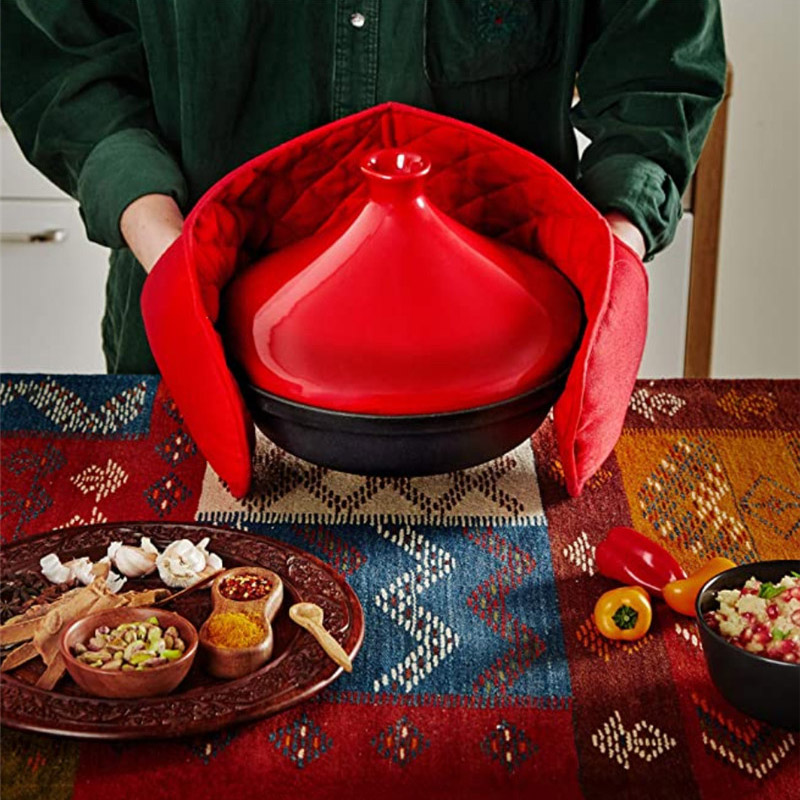
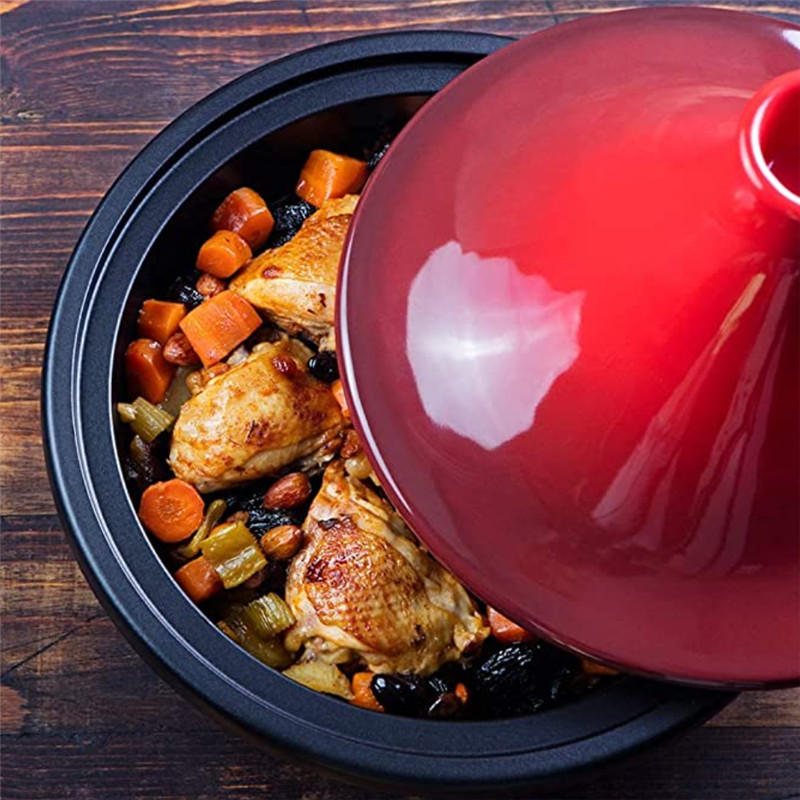
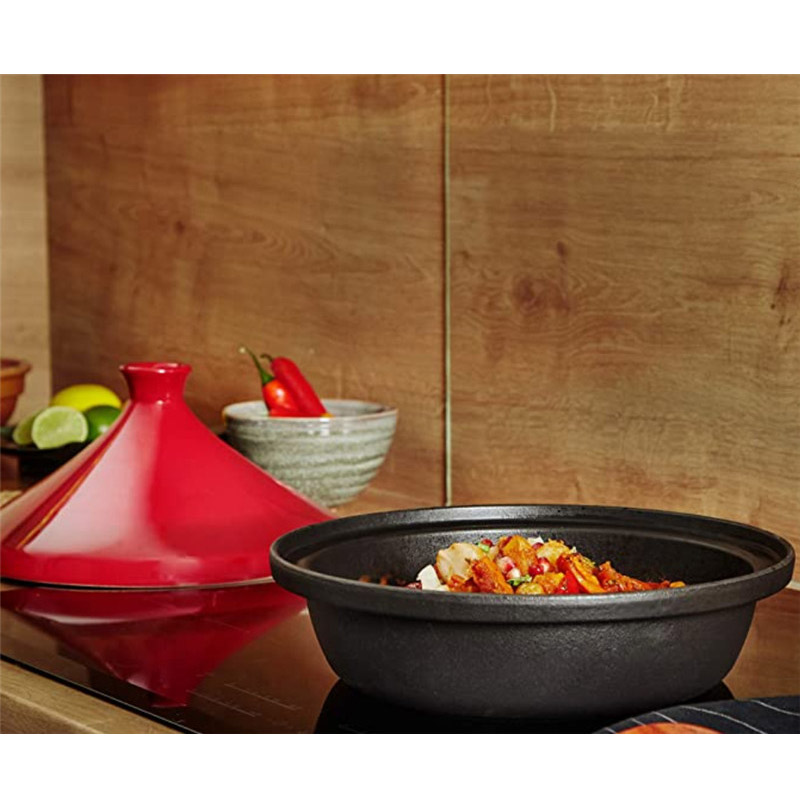
● Otu ihe ịtụnanya ite: Tagine bụ ihe ama ama maka isi nri kacha dị nro, nke na-esi ísì ụtọ na nke na-atọ ụtọ.
● Mmiri & Nrọ: A na-eji mkpuchi conical mechiri emechi mee efere a, bụ́ nke na-enye ohere iji mmiri dị nta na-ekesa. Uzuoku ahụ na-anọgide na-eme ka ihe ndị ahụ dị nro na-eme ka ha dị nro
● Ígwè a na-akpụ akpụ: N'adịghị ka nsụgharị ụrọ, e nwere ike iji ite a na-adịgide adịgide na nke na-agbanwe agbanwe n'elu elu induction, stovu gas, ma ọ bụ n'ime oven. Ọ dịkwa oke mfe ihicha, enweghị ndu na achọghị ntụ ọka.
● Siri & Na-eje ozi: Ite esi nri a na-ekpo ọkụ na-eji okpukpu abụọ dị ka efere nri, ígwè nkedo na-eme ka nri na-ekpo ọkụ ruo ogologo oge. Mkpuchi ahụ dabara nke ọma yana njiri mara ma nwee mkpịsị aka dị mfe ka ị nwee ike ilele ihe na-esi n'ime ya ngwa ngwa.
● Nkwa na ọnọdụ zuru oke: Anyị ejirila polyfoam kpokọta tagine a nke ọma iji hụ na ọ rutere n'ọnọdụ zuru oke. Agụnyere bụ usoro nhazi, nhicha na ntụzịaka ka ị ga-amalite.
Hebei Chang Otu ductile ígwè nkedo Co., Ltd bụ a manufactory guzosie ike kemgbe 2010 emi odude ke Shijiazhuang obodo Hebei n'ógbè. Dị ka ụlọ ọrụ mmepụta ihe na-emepe emepe, anyị nwere ahụmịhe karịa afọ 10 maka usoro mmepụta ihe nkedo ígwè, ma nwee ọtụtụ asambodo nyocha na ịdị mma.
Site na akụrụngwa mmepụta ihe na-akpaka dị elu, ike kwa ụbọchị bụ ihe dị ka 40000 iberibe maka pans na grills na 20000 setịpụ maka oven Dutch.
Biko kpọtụrụ anyị na ntanetị B2C maka ajụjụ gị
MOQ 500 PC maka nha na agba onye ọ bụla.
Enamel ihe eji eme ihe: TOMATEC.
Nhazi na agba ahaziri iche
Akara aha ahaziri agwụcha ruo nkuku igwe anaghị agba nchara ma ọ bụ mkpuchi mkpuchi na ala site na kanyere ma ọ bụ ịcha laser.
Mkpụrụ osisi na-ewe ihe dị ka ụbọchị 7-25.
Nlereanya ndu oge banyere 3-10 ụbọchị.
Oge nhazi usoro ihe dị ka ụbọchị 20-60.
Super Markets, Kitchenware brands, Amazon shops, Shoppe shops, Restaurants, TV Shopping programs, Gifts Stores, Hotels, Souvenir Stores.
A tajine pot stands out among other heavy-duty cooking vessels due to its unique conical lid design, which differentiates it from traditional thick-walled cookware such as Dutch ovens or standard cast iron casseroles. While both types of pots excel at retaining heat and distributing it evenly, the conical shape of a cast iron tajine encourages steam to rise, condense, and trickle back down over the food, effectively self-basting the ingredients. This natural circulation method allows chefs to cook with very little added water, preserving both the flavors and the nutrients of the ingredients. In commercial kitchens, where efficiency and consistent results are paramount, this feature ensures that slow-cooked dishes remain tender and succulent without constant supervision.
The design of a tajine cooking pot also enables a wide variety of dishes to be prepared in a single vessel. From richly spiced Moroccan stews to delicate vegetable braises, the tajine cast iron can handle both high-temperature searing on the stovetop and long, low-heat cooking in the oven. This versatility is crucial for restaurants, hotels, and catering businesses, as it allows chefs to expand their menu offerings while reducing the need for multiple cookware items. Using a single enamel casserole with lid or nkedo ígwè casserole that doubles as a tajine pot streamlines kitchen operations and minimizes storage requirements.
In addition, the enamel coating found on many modern cast iron tajines provides both durability and ease of maintenance. The non-stick surface prevents food from adhering, reducing the risk of scorching and making cleanup quick and simple—an important consideration in high-volume commercial settings. It also protects the iron core from acidic ingredients, ensuring that the pot remains in excellent condition for years of daily use.
For commercial buyers seeking cookware that combines practicality with enhanced culinary results, investing in a high-quality cast iron tajine from reputable manufacturers such as Hebei Chang An Ductile Iron Casting Co., Ltd. guarantees performance, longevity, and customer satisfaction. The natural self-basting properties, versatility in cooking methods, and durable enamel coating make the tajine cooking pot a unique and valuable addition to any professional kitchen, helping chefs create authentic, flavorful dishes efficiently while maximizing productivity.
Using a tajine pot effectively can transform slow-cooked dishes into flavorful, tender meals, whether in a professional restaurant kitchen or a large-scale catering operation. The key to mastering a cast iron tajine lies in understanding both its design and its heat distribution properties. Start by placing a small amount of fat, such as olive oil, butter, or ghee, at the base of the tajine cooking pot. This layer of fat not only prevents sticking but also enhances the flavor of your ingredients and helps create a rich, aromatic base for your dish. For commercial buyers, this simple step ensures consistent results, even when preparing large quantities for buffets or banquet service.
Next, layering ingredients in the correct order is essential. Vegetables or proteins that require longer cooking times should go at the bottom of the tajine cast iron. This ensures that dense ingredients like root vegetables or thick cuts of meat receive direct heat and cook thoroughly without burning. Faster-cooking ingredients, such as zucchini, bell peppers, or delicate fish, should be placed on top. The conical lid of the tajine pot encourages moisture to circulate and condense, naturally basting the ingredients. This feature allows professional chefs to create tender, flavorful dishes without constant stirring, making the enamel casserole with lid or cast iron casserole highly efficient for high-volume kitchens.
For commercial kitchens, managing temperature is crucial. A cast iron tajine excels because it retains heat evenly and can be used on a stovetop or in the oven. Start cooking on low to medium heat to allow the tajine cooking pot to warm gradually. Sudden high heat can crack traditional clay tajines, but a cast iron tajine provides durability while still allowing for delicate slow cooking. This makes it ideal for restaurants that require consistent quality across multiple servings.
Finally, seasoning and timing are key. Herbs, spices, and aromatics can be added at different stages of cooking to maximize flavor infusion. Using a tajine pot not only enhances the taste and texture of your dishes but also presents food beautifully, making it perfect for direct-to-table service. Commercial buyers who invest in high-quality tajine cast iron from Hebei Chang An Ductile Iron Casting Co., Ltd. enjoy cookware that is durable, versatile, and capable of producing authentic, slow-cooked meals that impress customers while streamlining kitchen workflow.
Yes, tajine cooking is widely regarded as one of the healthiest methods of preparing meals, making it an excellent choice for commercial kitchens seeking to offer nutritious dishes. The design of a tajine pot, with its conical lid, allows steam to circulate naturally during cooking, which means that food retains its essential vitamins, minerals, and moisture without the need for excessive oil or added fats. For restaurants, hotels, and catering services, this ensures that meals are both flavorful and health-conscious, meeting the growing demand for nutrient-rich dishes among customers.
Using a cast iron tajine or an enamel casserole with lid further enhances the health benefits. The thick cast iron walls distribute heat evenly, allowing for slow, gentle cooking at low to medium temperatures. Slow cooking not only intensifies the natural flavors of vegetables, meats, and spices but also helps preserve heat-sensitive nutrients that are often lost in high-heat cooking methods such as frying or grilling. For commercial buyers, this means that preparing large batches of dishes in a cast iron tajine is both practical and nutritionally advantageous.
Moreover, tajine cooking pots are ideal for preparing balanced meals with minimal added fat. The self-basting effect created by the conical lid allows proteins and vegetables to cook in their own juices, retaining moisture and enhancing natural flavors. Chefs can prepare complex dishes, from Moroccan stews to vegetable medleys, without compromising on healthiness. Compared with conventional cookware, cast iron casseroles or tajine cast iron provide a way to deliver wholesome, nutrient-rich meals consistently to customers while maintaining operational efficiency in busy commercial kitchens.
For commercial buyers sourcing cookware, choosing high-quality cast iron tajine from trusted manufacturers like Hebei Chang An Ductile Iron Casting Co., Ltd. guarantees durability, non-toxic cooking surfaces, and long-term performance. Whether it is a tajine cooking pot for slow-cooked specialties or an enamel casserole with lid for everyday stews and casseroles, these products allow professional kitchens to prioritize healthy cooking without sacrificing taste, presentation, or efficiency.
For commercial buyers in the foodservice industry, investing in tagine pots can be more than just a culinary choice—it can be a smart business decision. The unique value of a tajine cast iron or traditional tajine pot lies in both its distinctive conical lid design and its durable material. In professional kitchens, these two factors combine to create cooking conditions that amplify flavor, improve efficiency, and elevate the dining experience for customers.
The conical shape of a tagine cooking pot is more than a cultural symbol; it is a functional design that allows steam to rise, condense, and drip back into the food. This continuous cycle naturally bastes meats, vegetables, and grains, resulting in deeply flavorful and tender dishes. For restaurants, hotels, or catering services, this means achieving consistent, authentic results every time. Unlike standard pots, a cast iron tajine maintains low, steady heat, making it ideal for slow-cooked specialties and infusing dishes with a signature aromatic richness that guests will remember.
From a trade perspective, the enamel casserole with lid and cast iron casserole versions of the tagine pot bring added practicality. Cast iron construction ensures durability for repeated commercial use, while enamel coatings make cleaning easier and protect against food acidity. This reduces kitchen labor costs and prolongs product lifespan—two benefits that resonate strongly with procurement managers looking for dependable, long-term cookware investments.
At Hebei Chang An Ductile Iron Casting Co., Ltd., the focus is on producing premium-quality cast iron tajine pots and related cookware that meet the rigorous demands of the global foodservice market. As a dedicated manufacturer, the company understands that commercial buyers need cookware that not only enhances flavor but also supports operational efficiency and durability. Whether it’s a traditional tajine pot for authentic cuisine or a modern cast iron casserole for versatile cooking, these products are engineered to perform in high-volume kitchens.
In today’s competitive dining industry, offering unique dishes that stand out on the menu is essential. By equipping kitchens with tajine cast iron cookware, commercial buyers gain a reliable tool that combines authenticity, practicality, and durability. In short, buying tagine pots is not only worth it—it’s a strategic investment in better flavors, better customer experiences, and better business results.

Brandon Cole
Senior Buyer, Lodge Wholesale, Nashville

Olivia Sinclair
F&B Procurement, Fortnum & Mason, London

Marta Kowalska
Purchasing Chief, Euro RTV AGD, Warsaw

Thabo Mokoena
National Buyer, Johannesburg
kacha mma nkedo ígwè skillet maka n'èzí grill
ihe nkedo ígwè maka ebe esi nri induction
nkedo ígwè skillet maka induction cooktop
na-eji ígwè nkedo na stovu eletrik na-esi nri
ígwè nkedo na-adịghị mma dị arọ enameled skillet
Igwe ihe nkedo na-adịghị mma dị arọ
matty matheson cookware nkedo ígwè skillet
Ihe nkedo nkedo nke mbụ were ụzọ were
kpodoro isi ala pizza na nkedo ígwè skillet
iji nkedo ígwè skillet na iko n'elu stovu