- 150m Southwards, West DingWei Road, Nanlou Village, Changan Town, GaoCheng Area, Shijiazhuang, HeBei, China
- monica@foundryasia.com
Oct . 14, 2025 09:00 Back to list
Light Weight Nonstick Cast Iron Enameled Skillet, Easy-Clean
Lightweight Enameled Cast Iron, Without the Fuss
I’ve been testing cookware for years, and when a chef friend nudged me to revisit the light weight nonstick cast iron enameled skillet category (specifically, 4‑quart braisers masquerading as do‑everything pans), I took the bait. The result: Foundry Asia’s Enameled Cast Iron Covered Braiser, a 4‑quart blue workhorse that, to be honest, behaves like a skillet with walls—great for weeknight sears and slow Sunday braises.
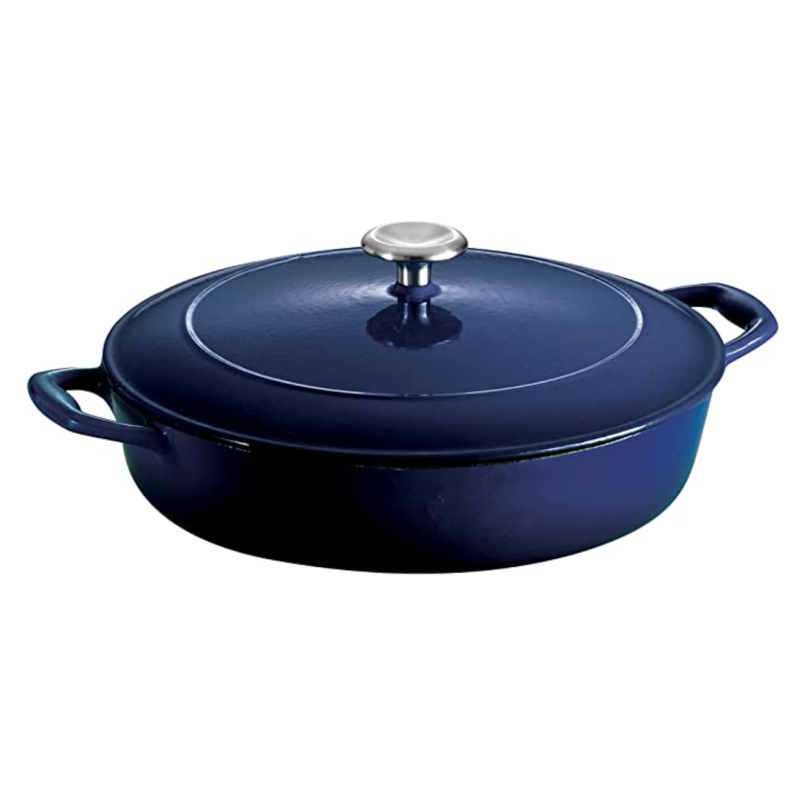
Industry snapshot
We’re seeing a steady shift from PTFE-only pans toward enamel-coated cast iron that’s kinder to high heat and induction. Home cooks want durability without babying—no seasoning drama, no metallic reactivity with tomatoes. Interestingly, many customers say a slightly lighter casting (relative to old-school Dutch ovens) makes daily use more realistic.
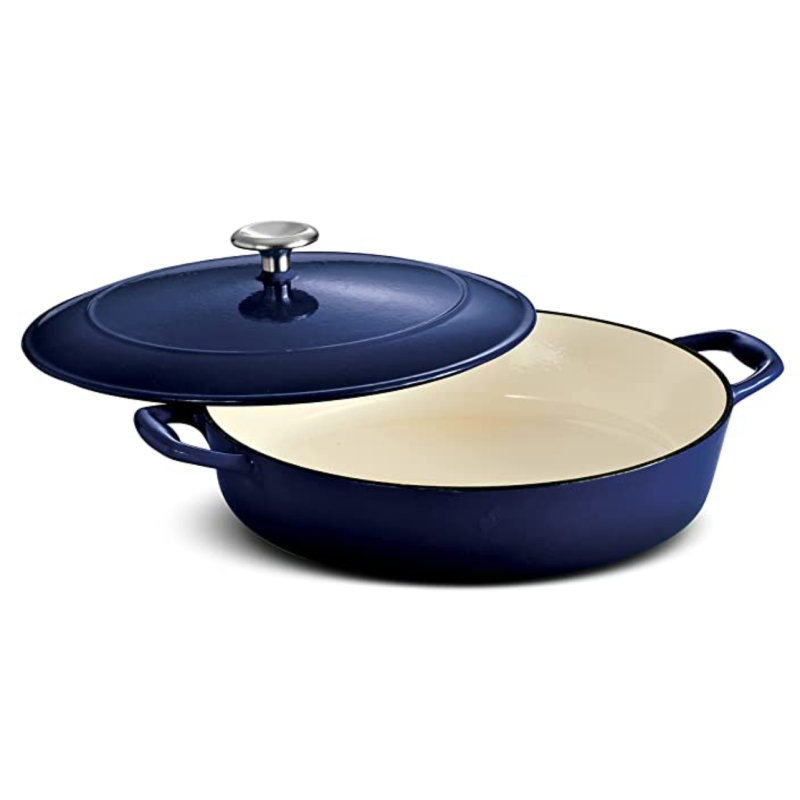
Product at a glance: Enameled Cast Iron Covered Braiser 4‑Quart
| Material | Cast iron core with vitreous enamel (interior + exterior) |
| Capacity | 4 qt (≈3.8 L) |
| Color | Blue exterior; light enamel interior |
| Dimensions | Ø ≈28 cm; wall height ≈6.5–7 cm (real-world use may vary) |
| Weight | ≈4.2–5.0 kg with lid (depends on batch) |
| Heat sources | Gas, electric, ceramic, induction; oven to ≈260°C |
| Service life | 5–10 years+ with normal home use |
| Origin | 150m Southwards, West DingWei Road, Nanlou Village, Changan Town, GaoCheng Area, Shijiazhuang, HeBei, China |
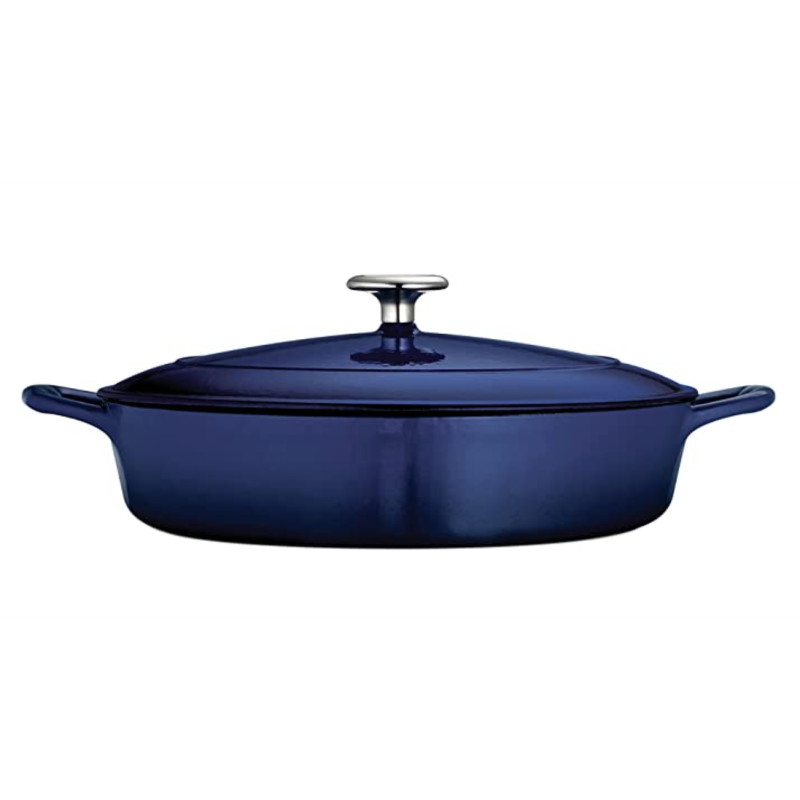
How it’s made (and tested)
- Materials: pig iron and clean scrap blended; low-sulfur melt for tighter microstructure.
- Sand casting: precision cores for uniform wall thickness; shot-blast clean-up.
- Enamel system: ground coat + color coat; 2–3 fires at ≈780–830°C for vitreous bonding.
- QC and standards: EN ISO 4531 migration testing; ISO 28706 chemical resistance; LFGB/FDA food-contact compliance (third-party lab, report on request).
Test data (typical): lead/cadmium release ND within limits; thermal shock 50 cycles (200°C to water) pass; abrasion ≈5,000 cycles pass; salt spray ≈72 h no base metal exposure. In real kitchens, that translates to enamel that doesn’t flake from normal utensil taps.
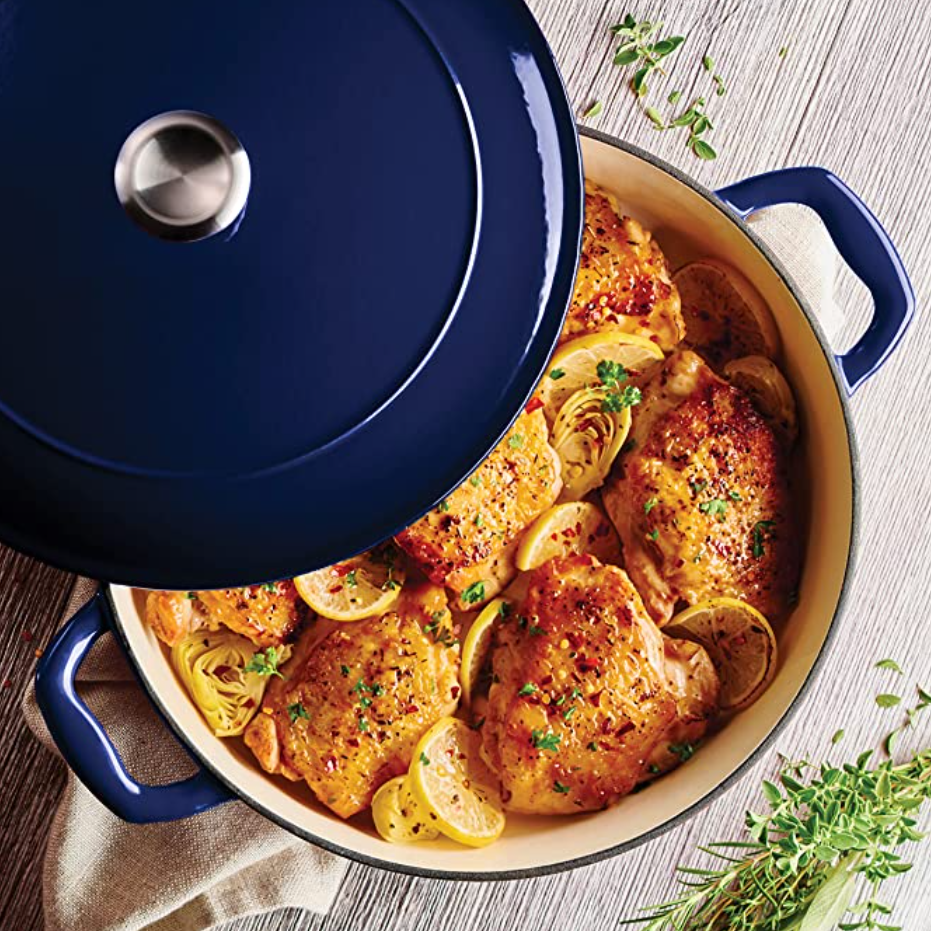
Where it shines
Weeknight searing, one-pot pastas, risottos, shallow fries, shakshuka. Hospitality groups use it for appetizer braises and table-to-oven service. The enamel is effectively low-stick with oil and proper preheat; it’s not Teflon, but cleanup is easy. In fact, a Midwest meal‑prep brand told me simmer control improved and gas use dipped slightly because of heat retention.
Vendor comparison (quick take)
| Vendor | MOQ | FOB Price (USD) | Custom Colors/Logos | Certs | Lead Time | Warranty |
|---|---|---|---|---|---|---|
| Foundry Asia (this model) | ≈300 pcs | Mid-range | Yes (Pantone, laser logo, knob options) | EN ISO 4531, LFGB, FDA | ≈35–45 days | 12 months |
| Generic A | 500 pcs | Lower | Limited colors | Basic food-contact | ≈50–60 days | 6 months |
| Brand B | N/A (retail) | Premium | N/A | Full suite | In stock | Limited retail |
Customization and branding
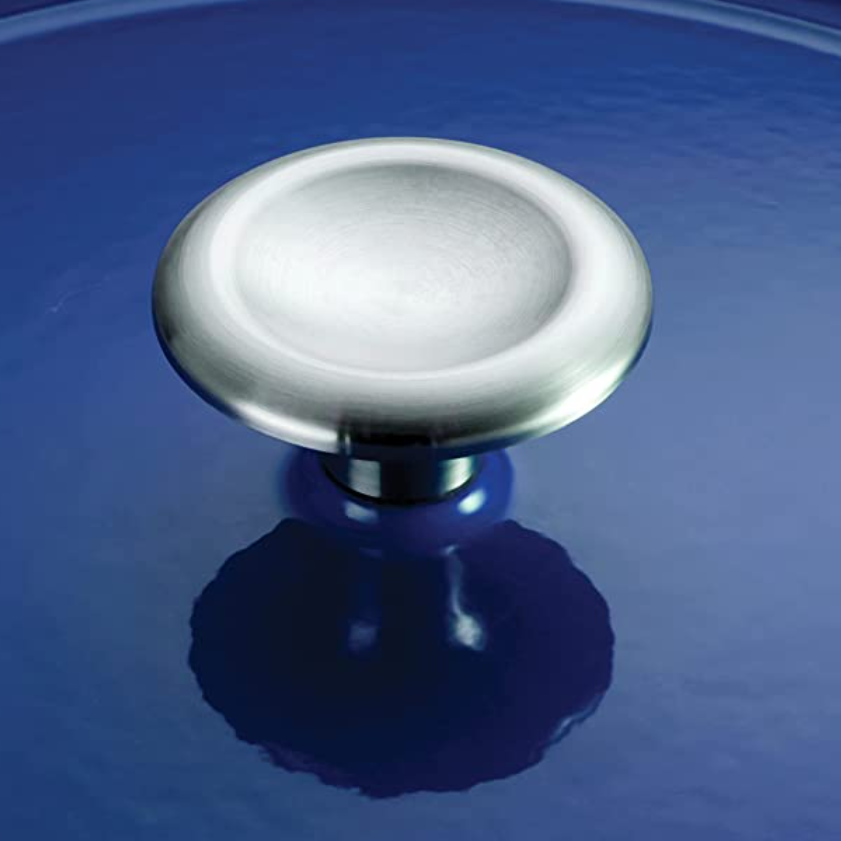
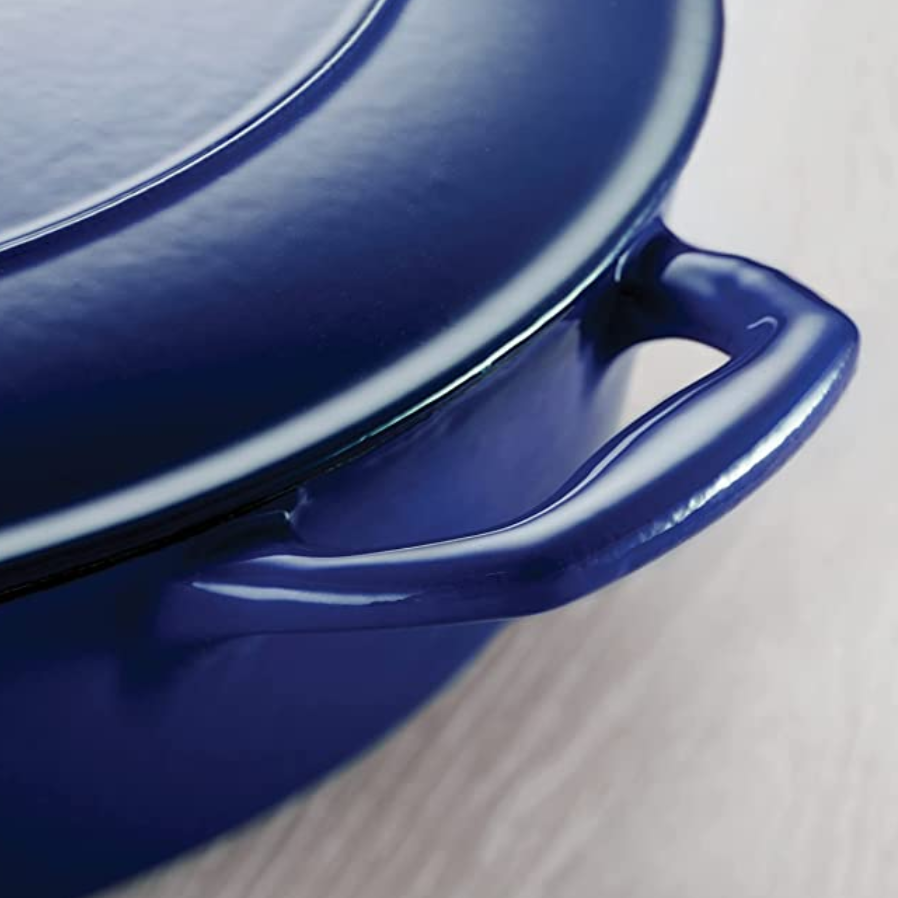
Options include gloss/matte enamel, Pantone-matched exteriors, light or black interiors, stainless or phenolic knobs, laser-etched or cast logos, and retail packaging. For foodservice, they’ll do reinforced enamel rims and rack-friendly handles.
Real-world notes
Preheat gently and use a film of oil—then proteins release nicely. Wooden or silicone tools keep the enamel pristine. Hand wash is best, though the enamel tolerates dishwashers. And yes, this light weight nonstick cast iron enameled skillet stand‑in doubles as a serving dish. Another light weight nonstick cast iron enameled skillet perk: non-reactive enamel loves acidic sauces.
Case study (short)
A 30‑seat bistro swapped sauté pans for three 4‑qt braisers; chef reports more even sears and fewer pan swaps during service. It seems small, but those micro‑efficiencies add up.
Citations
- EN ISO 4531: Food contact enamel—Release of metals.
- ISO 28706 (Parts 1–4): Vitreous and porcelain enamels—Resistance to chemical corrosion.
- LFGB (Germany) Food, Articles of Daily Use and Feed Code; migration testing guidance.
- FDA 21 CFR 175.300—Resinous and polymeric coatings (context for food-contact coatings).
-
China PC Light Cast Iron Wok Traditional Heat with Modern Weight
NewsApr.16,2026
-
Professional Guide to China Cleaning Cast Iron Wok Maintenance
NewsApr.09,2026
-
Explore the Benefits of a China Cast Iron Grilling Wok for Your Kitchen
NewsApr.07,2026
-
China Victoria Cast Iron Wok A Comprehensive Guide to Quality Cookware
NewsApr.04,2026
-
Discover the Superior Quality of China Enameled Cast Iron Wok Cookware
NewsMar.31,2026
-
Discover the Benefits of a China Cast Iron Wok with Lid for Authentic Cooking
NewsMar.28,2026