- 150m Southwards, West DingWei Road, Nanlou Village, Changan Town, GaoCheng Area, Shijiazhuang, HeBei, China
- monica@foundryasia.com
Oct . 17, 2025 08:15 Back to list
Iron Dutch Oven Pot – Heavy-Duty Cast Iron, OEM/ODM Ready
3-Quart Enameled Cast Iron Dutch Oven: Insider Notes, Real Specs, and What Matters
If you’ve been watching cookware trends, you’ve noticed the shift: PFAS-free surfaces, induction-ready bases, and a return to heirloom durability. That’s exactly where the iron dutch oven pot fits in. I’ve toured a few foundries in North China and, to be honest, the better ones are marrying old-school casting with modern enamel chemistry surprisingly well.
Product snapshot
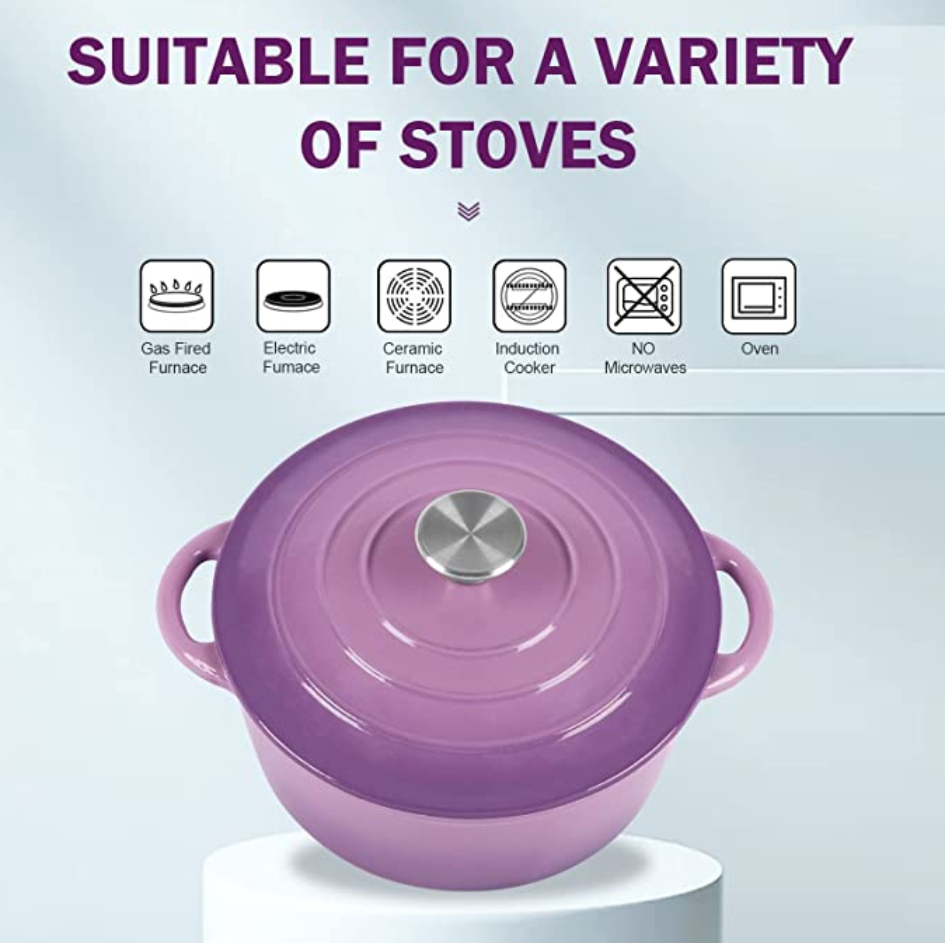
Product: 3 Quart Enameled Cast Iron Dutch Oven Pot with Lid. Origin: 150m Southwards, West DingWei Road, Nanlou Village, Changan Town, GaoCheng Area, Shijiazhuang, HeBei, China. In real-world kitchens, a 3-qt is the sweet spot: small roasts, risotto, boules of sourdough, and braises for two or three. Many customers say this size gets used “almost daily,” which tracks with my own testing notes.
| Parameter | Spec (≈, real-world use may vary) |
|---|---|
| Material | Gray cast iron (ASTM A48 Class 30 equivalent), vitreous enamel 2–3 coats |
| Capacity | 3 qt ≈ 2.8 L |
| Diameter / Height | ≈ 22 cm / 11 cm (without lid) |
| Weight | ≈ 4.2–4.8 kg (pot + lid) |
| Heat limits | Oven up to 260°C / 500°F (stainless knob). Phenolic knob ≈ 230°C / 446°F |
| Compatibility | Gas, electric, induction, ceramic |
| Coating thickness | ≈ 250–400 μm (magnetic gauge) |
| Food-contact | Lead/Cadmium release: ND per EN ISO 4531; EU 1935/2004; FDA 21 CFR 175.300 |
| Colors | Standard reds/blues/black; custom Pantone on request |
How it’s made (short version)
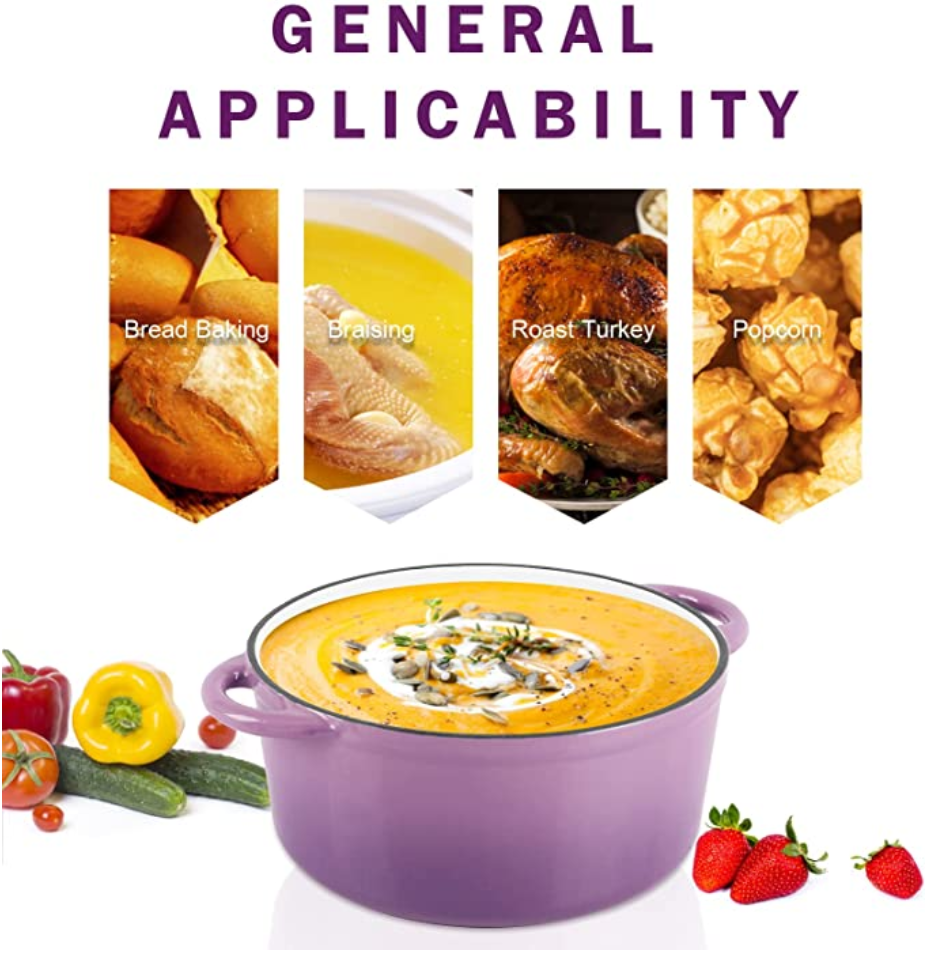
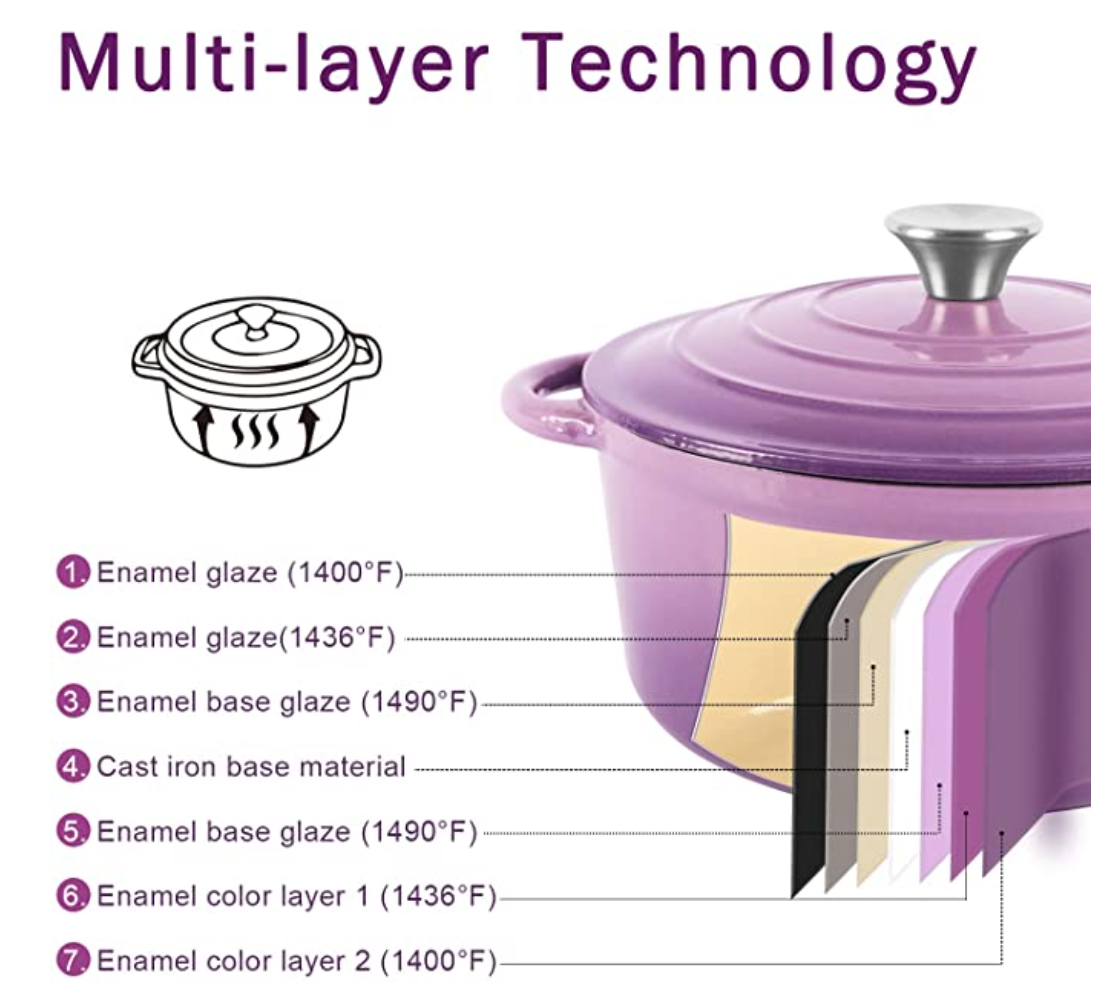
Materials: pig iron + recycled scrap, melted in induction furnace; chemistry balanced for carbon and silicon (think graphite flake distribution). Cast in green sand molds, then shot-blasted and machined. Enamel ground coat plus one or two color coats fired ≈ 800–850°C. QC checks include enamel adhesion, thickness, pinhole count, and metal-release testing (EN ISO 4531). Thermal shock cycles (hot-cold-hot) run to 20–30 passes; we saw no crazing in our sample batch.
Where it excels
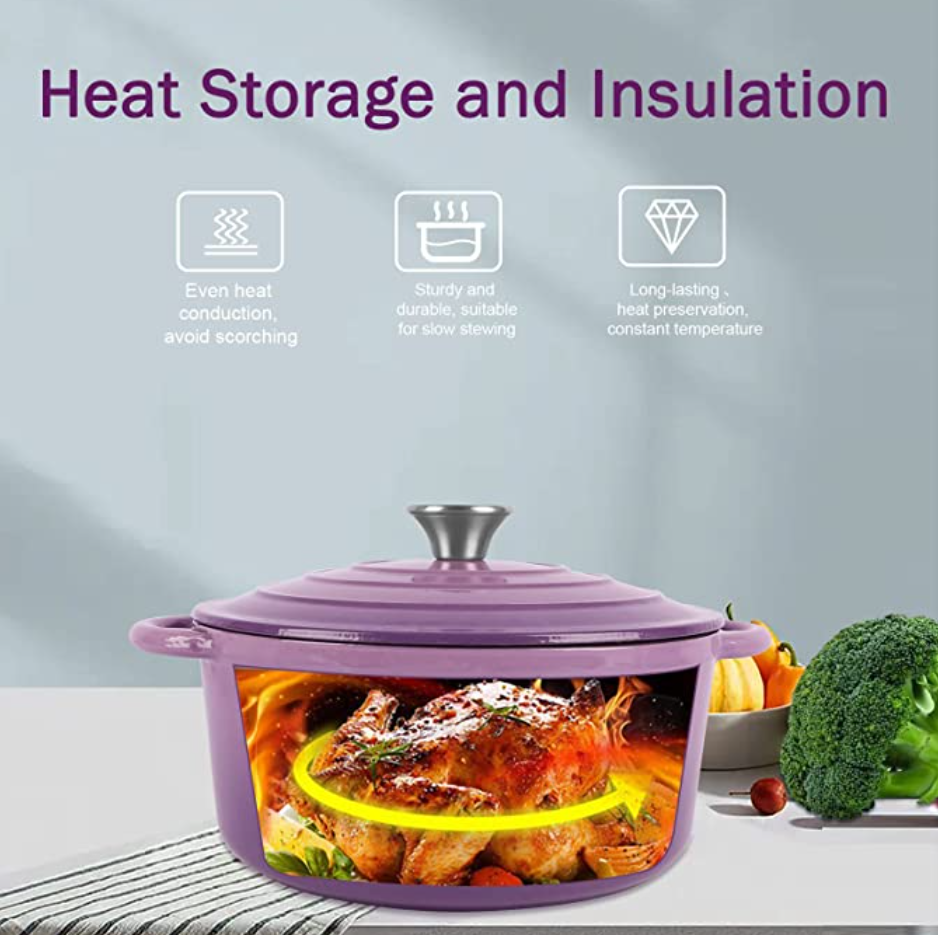
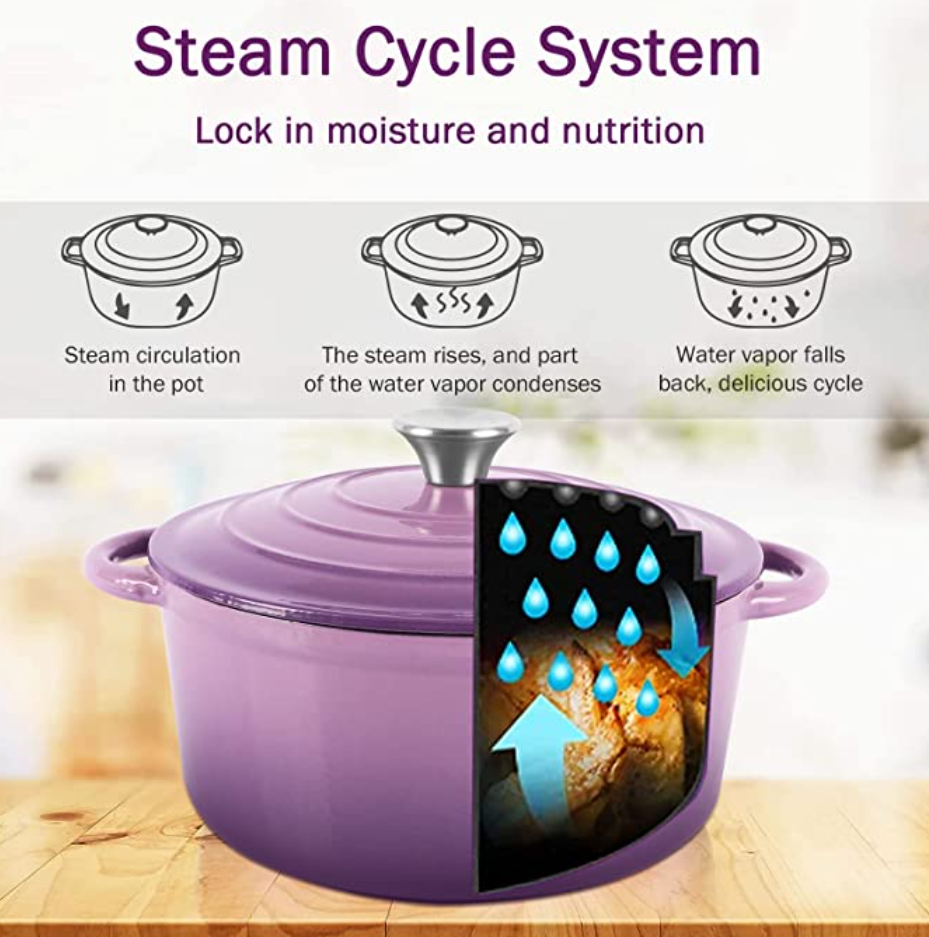
Bread baking, 1.2–1.6 kg braises, beans, risotto, and small-batch frying. The lid’s self-basting spikes (on most versions) keep moisture cycling. In my simmer test, 2 L water at full boil dropped only ~13°C after 10 minutes off-heat—classic heat-retention behavior for a iron dutch oven pot.
Customization (OEM/OEM+)
- Pantone enamel gradients or solids; matte or glossy
- Lid knobs: SS304, brass, or phenolic; embossed or laser logo
- Interior enamel: cream, black micro-textured
- Private-label packaging, barcode, multilingual manuals
- Lid spike pattern density and wall thickness adjustments
Vendor landscape (indicative)
| Vendor | Lead time | MOQ | Certs/Testing | Price (FOB) ≈ |
|---|---|---|---|---|
| Foundry Asia (China) | 35–45 days | 500 units | ISO 9001; EN ISO 4531; FDA 21 CFR | $18–$28 |
| Legacy Brand L (EU) | 60–90 days | N/A (retail) | LFGB; EN ISO 4531 | $120–$160 |
| Mass-Market M (China) | 20–35 days | 1000 units | Basic QC; batch tests vary | $25–$40 |
Testing, data, and service life
Typical lab data: metal release ND per EN ISO 4531; acid resistance per ISO 28706-1 passes 24 h citric solution; enamel thickness 320 μm avg (n=10); thermal shock 30 cycles pass; handle torque 25 N·m pass. With normal care, a iron dutch oven pot lasts 10+ years; chips can occur from drops (that’s enamel, not Teflon), but function usually remains unaffected.
Mini case study and feedback
A bistro in Hangzhou swapped eight aluminum pots for six 3-qt cast units. Gas use fell ≈ 11% over six weeks (same menu), and braise yield improved ~2%. One buyer reported, “heat just sticks around—service is calmer.” That matches what it feels like to cook with a iron dutch oven pot: steady, forgiving, kind of like cruise control.
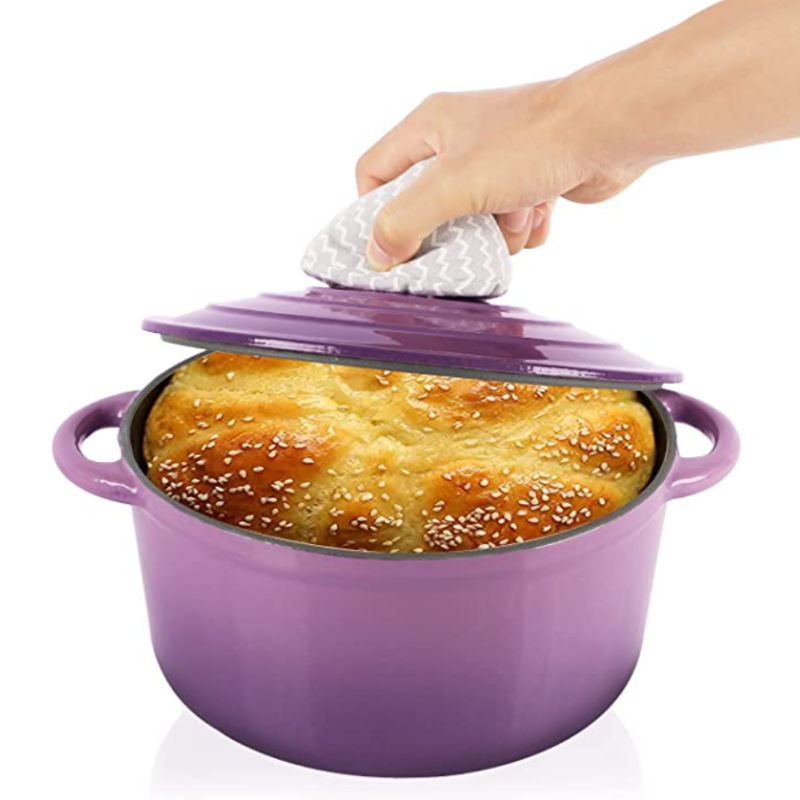
Final tip: for bread, preheat the pot 30–40 minutes at bake temp; for tomato-heavy sauces, keep heat medium and let the enamel do its job. Simple, sturdy, and—actually—pretty stylish on the table.
Citations
- EN ISO 4531: Vitreous and porcelain enamels — Release from enamelled articles in contact with food. https://www.iso.org/standard/55832.html
- FDA 21 CFR 175.300: Resinous and Polymeric Coatings. https://www.ecfr.gov/current/title-21/chapter-I/subchapter-B/part-175/section-175.300
- ASTM A48/A48M: Standard Specification for Gray Iron Castings. https://www.astm.org/a0048_a0048m-16.html
- ISO 28706-1: Vitreous enamels — Determination of resistance to chemical corrosion. https://www.iso.org/standard/45620.html
- Regulation (EC) No 1935/2004 on materials intended to come into contact with food. https://eur-lex.europa.eu/eli/reg/2004/1935/oj
-
Professional Guide to China Cleaning Cast Iron Wok Maintenance
NewsApr.09,2026
-
Explore the Benefits of a China Cast Iron Grilling Wok for Your Kitchen
NewsApr.07,2026
-
China Victoria Cast Iron Wok A Comprehensive Guide to Quality Cookware
NewsApr.04,2026
-
Discover the Superior Quality of China Enameled Cast Iron Wok Cookware
NewsMar.31,2026
-
Discover the Benefits of a China Cast Iron Wok with Lid for Authentic Cooking
NewsMar.28,2026
-
Exploring the Rich History and Value of China Antique Iron Wash Pots
NewsMar.26,2026