- 150m Southwards, West DingWei Road, Nanlou Village, Changan Town, GaoCheng Area, Shijiazhuang, HeBei, China
- monica@foundryasia.com
Mar . 17, 2026 01:55 Back to list
Exploring the Rich History of China Old Cast Iron Cookware
Exploring the Legacy of China Old Cast Iron Cookware
For centuries, China old cast iron cookware has been a cornerstone of culinary traditions. Renowned for its durability, heat retention, and unique cooking properties, it holds a special place in both domestic kitchens and professional settings. This article delves into the history, characteristics, benefits, and modern availability of this treasured cookware. From the ancient techniques used in its creation to its enduring appeal in contemporary cooking, we’ll uncover what makes China’s cast iron cookware so highly sought after.
A Historical Perspective: The Roots of Chinese Cast Iron
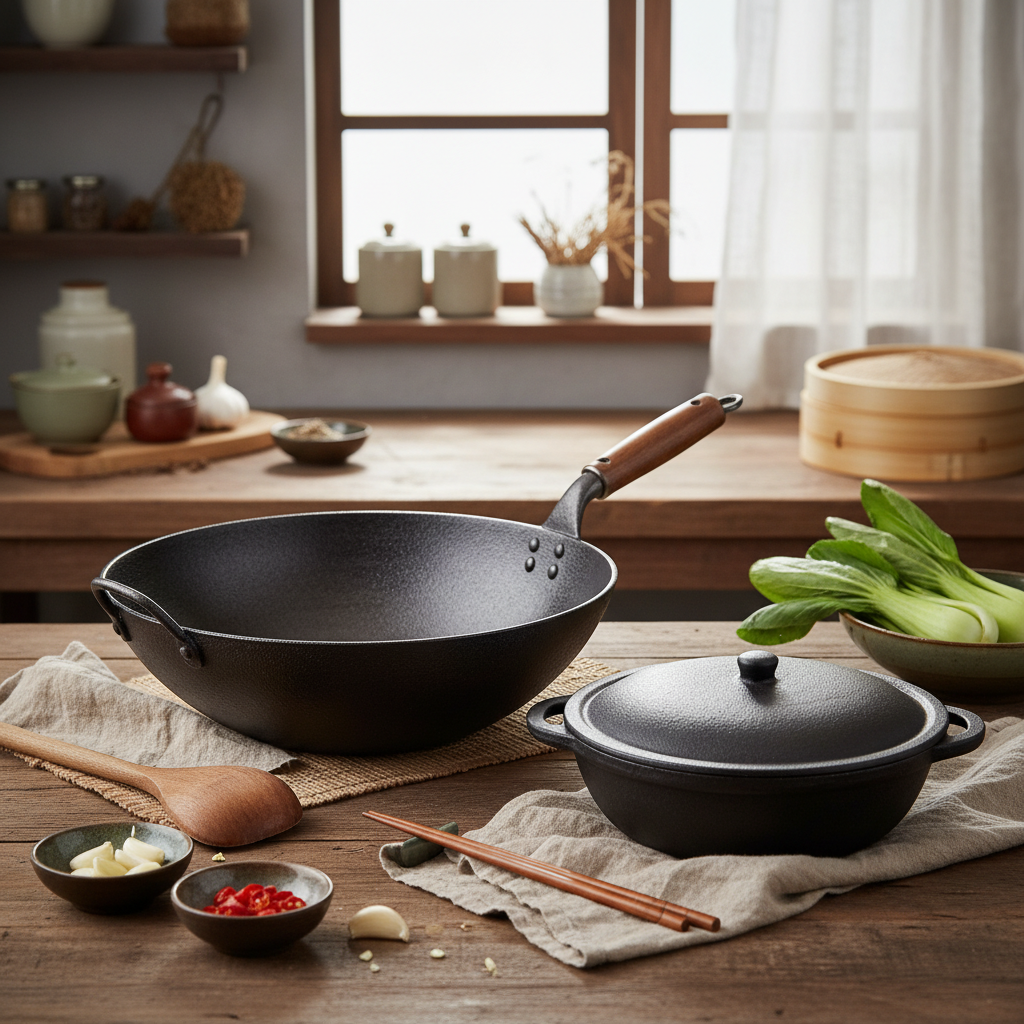
The history of cast iron cookware in China dates back thousands of years. Evidence suggests its use as early as the Zhou Dynasty (1046-256 BCE). Initially, it was a symbol of status, reserved for the imperial court and wealthy families. Over time, as ironworking techniques improved and production became more widespread, cast iron cookware became accessible to a broader segment of the population. The unique properties of Chinese cast iron—often thicker and heavier than its Western counterparts—developed through centuries of refinement, tailored to the specific cooking methods prevalent in Chinese cuisine, like stir-frying and steaming. It’s a legacy built on practicality, durability, and culinary innovation. Foundry Asia provides high-quality cast iron cookware continuing this tradition.
Key Highlights: Centuries of tradition, initially reserved for elite families, evolved into a staple for everyday cooking. Known for thickness, heat retention, and suitability for diverse Chinese cooking techniques.
Understanding the Characteristics of China Old Cast Iron Cookware
Traditional Chinese cast iron cookware differs significantly from modern or Western varieties. It’s typically made using sand casting methods, resulting in a coarser texture. This texture isn’t a flaw but contributes to the cookware's non-stick properties when properly seasoned. The iron used often contains a higher percentage of impurities, which, paradoxically, can contribute to a better seasoning and more natural non-stick surface over time. China cast iron cookware is famed for its even heat distribution, ideal for slow cooking, braising, and steaming. The weight is substantial, aiding in stability and heat retention, making it suitable for wok cooking and other high-heat applications.
Key Characteristics:
• Sand casting results in a coarser texture.
• Higher impurity content aids seasoning.
• Excellent heat distribution and retention.
• Substantial weight for stability.
China Old Cast Iron Cookware vs. Modern Cast Iron: A Comparative Analysis
While modern cast iron cookware boasts smoother surfaces and more precise manufacturing, China old cast iron offers unique benefits. The coarser texture provides a superior surface for seasoning, creating a naturally non-stick layer. Traditional techniques prioritize functionality and durability over aesthetics. Modern cast iron often uses refined iron and machine finishing, resulting in a lighter, more uniform product. However, this can sometimes compromise the depth of seasoning and heat retention qualities prized in traditional Chinese cooking. Choosing between the two depends on personal preference and intended use.
Sourcing China Old Cast Iron Cookware Today
Finding authentic China old cast iron cookware can be challenging. While antique shops and online marketplaces may offer pieces, verifying their age and authenticity requires expertise. More commonly, you'll find modern cookware manufactured using traditional methods and materials. Foundry Asia specializes in sourcing and supplying high-quality cast iron cookware, bridging the gap between traditional craftsmanship and modern availability. They offer a range of options, from woks and pans to pots and Dutch ovens, all designed to deliver the exceptional cooking performance that Chinese cast iron is renowned for.
Maintaining and Seasoning Your Cast Iron Cookware
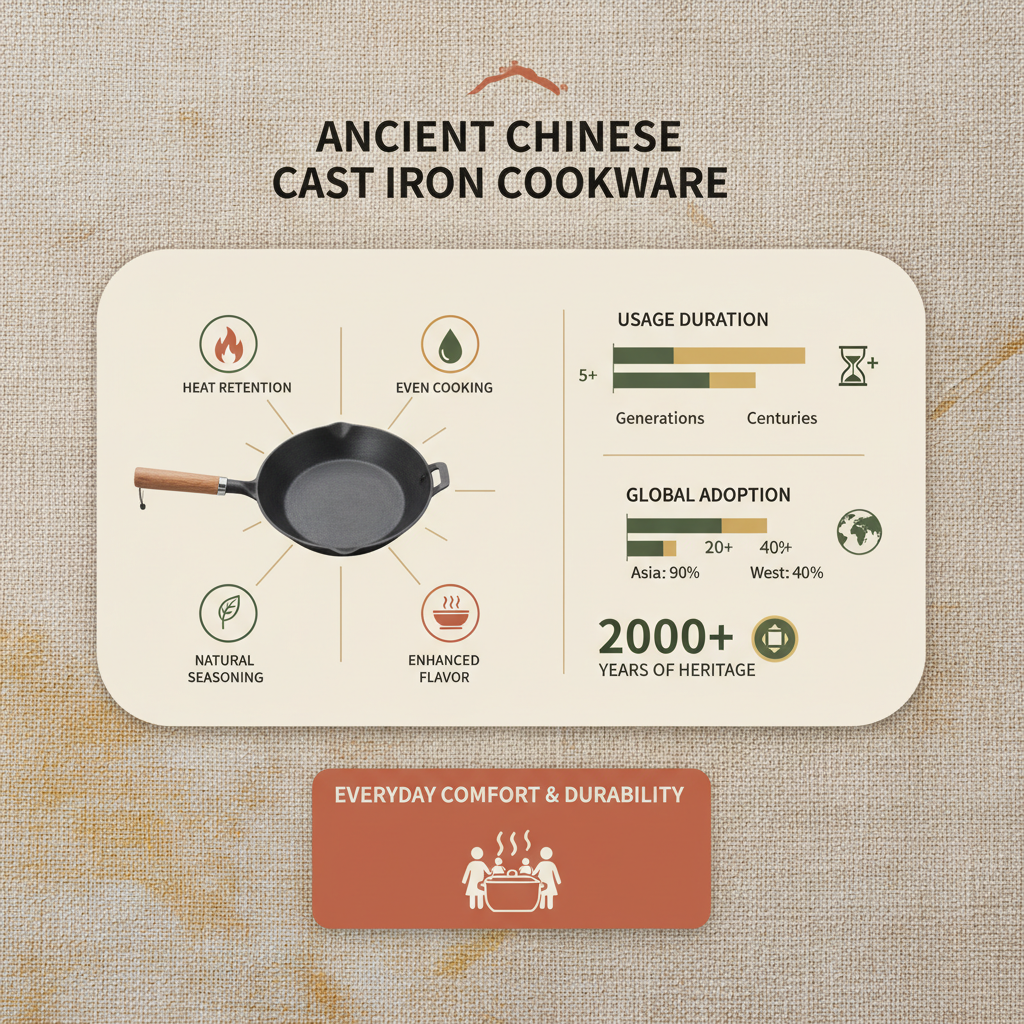
Proper seasoning is crucial for maintaining the non-stick properties of cast iron cookware. After each use, clean the pan with warm water and a mild detergent, avoiding abrasive cleaners. Dry thoroughly and lightly coat with cooking oil, then heat gently on the stovetop to polymerize the oil. Regular seasoning builds up layers of protection, creating a durable, naturally non-stick surface. Avoid prolonged soaking or putting cast iron in the dishwasher, as this can strip the seasoning. With proper care, China old cast iron cookware can last for generations. Foundry Asia provides resources on care and seasoning.
Conclusion: A Timeless Culinary Treasure
China old cast iron cookware represents a rich culinary heritage. Its unique characteristics, durability, and exceptional cooking performance continue to make it a prized possession for chefs and home cooks alike. Whether you’re seeking a piece of history or a reliable workhorse for your kitchen, Foundry Asia provides access to this timeless culinary treasure.
Frequently Asked Questions (FAQs)
What makes Chinese cast iron different from other cast iron cookware?
Chinese cast iron traditionally features a thicker build, a coarser texture from sand casting, and often a higher iron impurity content. This unique combination results in exceptional heat retention and the development of a superior natural seasoning layer over time. The thicker construction provides more stability, particularly important for wok cooking, and helps distribute heat more evenly. The higher impurity content, while seemingly counterintuitive, aids in the seasoning process, creating a more durable and naturally non-stick surface.
How do I properly season my China old cast iron cookware?
Begin by thoroughly cleaning the pan with warm water. Dry it completely. Apply a thin, even coat of cooking oil (flaxseed oil, vegetable oil, or canola oil are good choices) to all surfaces, inside and out. Wipe away any excess oil – you want a very thin layer. Then, place the pan upside down in a preheated oven at 350-400°F (175-200°C) for about an hour. Let it cool in the oven. Repeat this process several times to build up a robust seasoning. Regular use and light oiling after each wash will maintain the seasoning.
Can I use soap on my cast iron cookware?
While it was traditionally discouraged, modern mild dish soap can be used sparingly on well-seasoned cast iron cookware. The key is to use it gently and avoid prolonged soaking. Immediately after washing, dry the pan thoroughly and re-oil it lightly to prevent rust. Harsh abrasive cleaners should always be avoided, as they can strip the seasoning. The seasoning protects the iron from rust and keeps it non-stick.
What types of cooking are China old cast iron cookware best suited for?
China old cast iron is exceptionally versatile, but it shines in techniques common in Chinese cuisine. It’s ideal for stir-frying, steaming, braising, deep-frying, and slow cooking. The even heat distribution and excellent heat retention make it perfect for achieving that sought-after 'wok hei' flavor in stir-fries. Its weight also provides stability for high-heat cooking. It's also perfect for many Western cooking applications, like baking and searing.
-
Professional Guide to China Cleaning Cast Iron Wok Maintenance
NewsApr.09,2026
-
Explore the Benefits of a China Cast Iron Grilling Wok for Your Kitchen
NewsApr.07,2026
-
China Victoria Cast Iron Wok A Comprehensive Guide to Quality Cookware
NewsApr.04,2026
-
Discover the Superior Quality of China Enameled Cast Iron Wok Cookware
NewsMar.31,2026
-
Discover the Benefits of a China Cast Iron Wok with Lid for Authentic Cooking
NewsMar.28,2026
-
Exploring the Rich History and Value of China Antique Iron Wash Pots
NewsMar.26,2026