- 150m Southwards, West DingWei Road, Nanlou Village, Changan Town, GaoCheng Area, Shijiazhuang, HeBei, China
- monica@foundryasia.com
Mar . 24, 2026 02:05 Back to list
Discover the Versatility of a China Cast Iron Cauldron Pot for Your Kitchen
China Cast Iron Cauldron Pot: A Comprehensive Guide
Looking for a durable and versatile cooking vessel? A china cast iron cauldron pot offers exceptional heat retention, even cooking, and long-lasting performance. Ideal for a wide range of cooking methods, from simmering stews to deep-frying, these pots are a staple in many cuisines. This article explores the benefits, features, and considerations when choosing the right cast iron cauldron pot for your needs. Whether you're a seasoned chef or a home cooking enthusiast, understanding the quality and craftsmanship of a cast iron pot is essential.
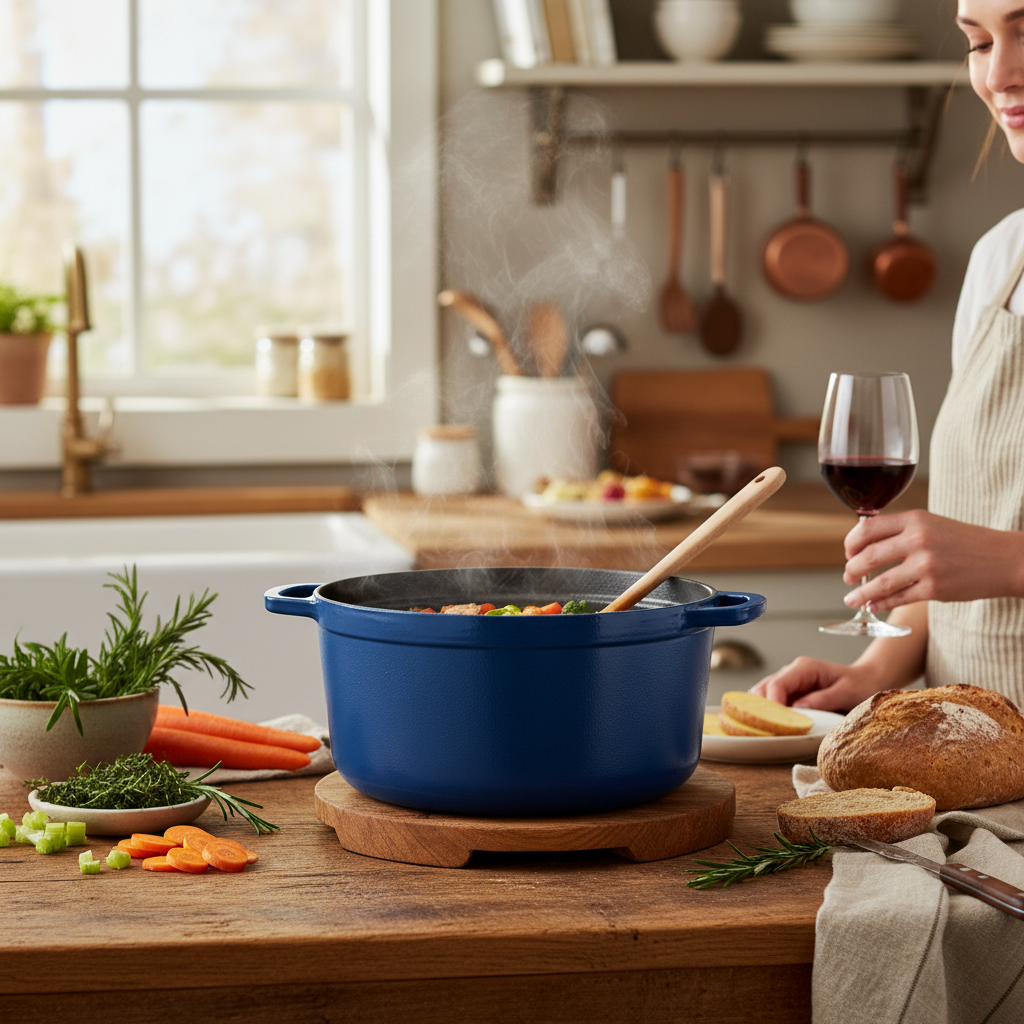
Why Choose a China Cast Iron Cauldron Pot?
Cast iron has been a preferred material for cookware for centuries, and for good reason. Its exceptional heat retention capabilities allow for even cooking and precise temperature control. A cast iron cauldron pot excels in this regard, making it ideal for slow-cooking, braising, and maintaining consistent temperatures for extended periods. Furthermore, the natural non-stick properties of seasoned cast iron reduce the need for excessive oil, promoting healthier cooking. China has become a major hub for cast iron production, offering high-quality pots at competitive prices.
Key Benefits: Exceptional heat retention, even cooking, natural non-stick properties, durability, versatility, and cost-effectiveness.
Understanding Different Types of Cast Iron
Not all cast iron is created equal. There are three main types: raw cast iron, enameled cast iron, and seasoned cast iron. Raw cast iron requires seasoning before use to prevent rusting and create a non-stick surface. Enameled cast iron is coated with a porcelain enamel, eliminating the need for seasoning and offering easy cleaning. Seasoned cast iron has already undergone the seasoning process, providing a ready-to-use cooking surface. When choosing a china cast iron cauldron pot, consider your cooking style and maintenance preferences.
Cast Iron Types:
• Raw Cast Iron: Requires seasoning, prone to rusting.
• Enameled Cast Iron: No seasoning needed, easy to clean.
• Seasoned Cast Iron: Ready to use, maintains non-stick surface.
China Cast Iron Cauldron Pot vs. Other Materials
When comparing cast iron to other cookware materials like stainless steel, aluminum, or ceramic, several key differences emerge. Stainless steel offers durability and even heating, but lacks the heat retention of cast iron. Aluminum is lightweight and heats quickly, but doesn't distribute heat as evenly. Ceramic is non-stick, but less durable and susceptible to scratching. A china cast iron cauldron pot provides a unique combination of heat retention, durability, and versatility that sets it apart.
Selecting the Right Size and Style of Cauldron Pot
Foundry Asia offers a range of china cast iron cauldron pots in various sizes and styles, including traditional cauldron shapes with handles and tripod stands, as well as more modern designs with loop handles. Consider the number of people you typically cook for and the types of dishes you plan to prepare when choosing a size. Smaller pots (3-5 quarts) are ideal for individual servings or small families, while larger pots (8-12 quarts) are suitable for gatherings or large-batch cooking.
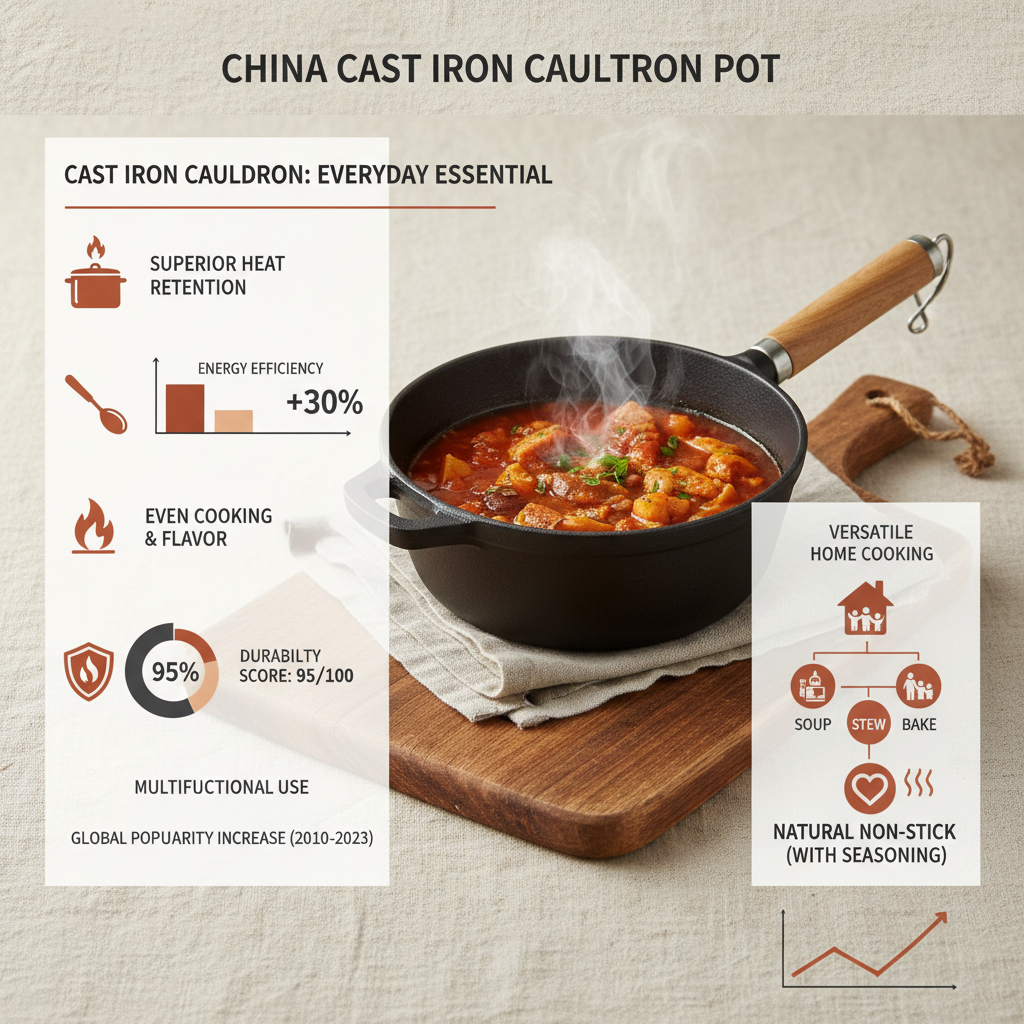
Care and Maintenance for Long-Lasting Performance
Proper care and maintenance are crucial to ensure the longevity of your china cast iron cauldron pot. Avoid using harsh detergents or abrasive cleaners. After each use, clean the pot with warm water and a soft sponge. Dry it thoroughly and lightly oil the surface to prevent rusting. For seasoned cast iron, regular seasoning helps maintain the non-stick surface. With proper care, your cast iron cauldron pot will provide years of reliable cooking performance.
Conclusion: Embrace the Tradition of Cast Iron Cooking
A china cast iron cauldron pot represents a blend of tradition, durability, and versatility. By understanding the different types, benefits, and proper care techniques, you can select the perfect pot to elevate your culinary experience. Invest in quality, and enjoy the exceptional performance and lasting value of cast iron cookware.
Frequently Asked Questions (FAQs)
What is the best way to season a cast iron cauldron pot?
Seasoning involves coating the cast iron with oil and baking it at a high temperature to create a polymerized layer. Begin by thoroughly cleaning the pot with hot, soapy water and drying it completely. Apply a thin, even coat of vegetable oil or flaxseed oil to all surfaces, inside and out. Place the pot upside down in a preheated oven at 350-400°F (175-200°C) for about an hour. Let it cool completely in the oven. Repeat this process several times for a robust seasoning layer. Regular use also contributes to seasoning.
Can I use a metal utensil on my cast iron cauldron pot?
While cast iron is durable, using metal utensils can scratch or damage the seasoning. It's generally recommended to use wooden, silicone, or plastic utensils to protect the surface. However, with a well-seasoned pot, occasional use of metal utensils is unlikely to cause significant damage, but avoid scraping aggressively.
Is cast iron cookware dishwasher safe?
No, cast iron cookware is not dishwasher safe. The harsh detergents and prolonged exposure to water can strip the seasoning and cause rust. It's best to hand wash your cast iron cauldron pot with warm water and a soft sponge. Dry it thoroughly and lightly oil the surface after washing.
What types of food are best suited for a cast iron cauldron pot?
Cast iron is incredibly versatile, but it excels at dishes that require slow cooking, braising, or even heat distribution. This includes stews, soups, chili, roasts, bread, and even desserts like cobblers. The excellent heat retention helps create tender, flavorful results. It's also excellent for searing meats at high temperatures.
-
China PC Light Cast Iron Wok Traditional Heat with Modern Weight
NewsApr.16,2026
-
Professional Guide to China Cleaning Cast Iron Wok Maintenance
NewsApr.09,2026
-
Explore the Benefits of a China Cast Iron Grilling Wok for Your Kitchen
NewsApr.07,2026
-
China Victoria Cast Iron Wok A Comprehensive Guide to Quality Cookware
NewsApr.04,2026
-
Discover the Superior Quality of China Enameled Cast Iron Wok Cookware
NewsMar.31,2026
-
Discover the Benefits of a China Cast Iron Wok with Lid for Authentic Cooking
NewsMar.28,2026