- 150m Southwards, West DingWei Road, Nanlou Village, Changan Town, GaoCheng Area, Shijiazhuang, HeBei, China
- monica@foundryasia.com
Oct . 25, 2025 10:55 Back to list
2 Quart Enameled Cast Iron Dutch Oven — Small, Even-Heating
A Field Guide to the 2 Quart Enameled Cast Iron Dutch Oven
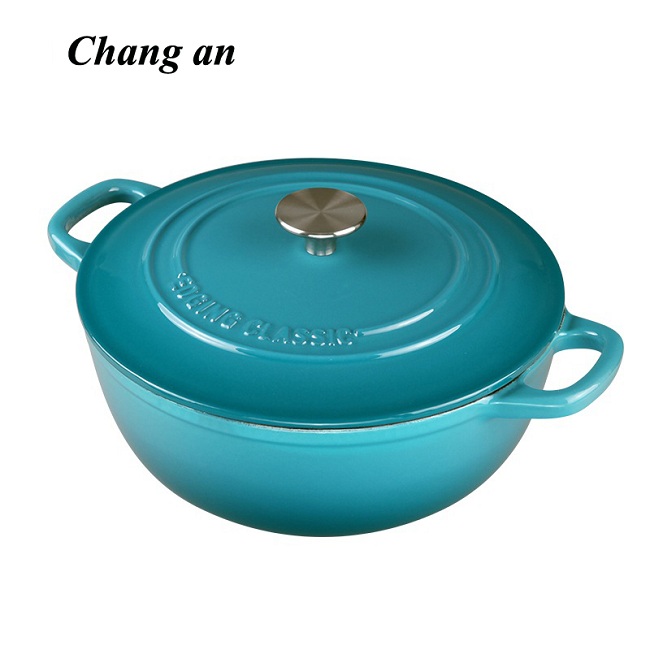
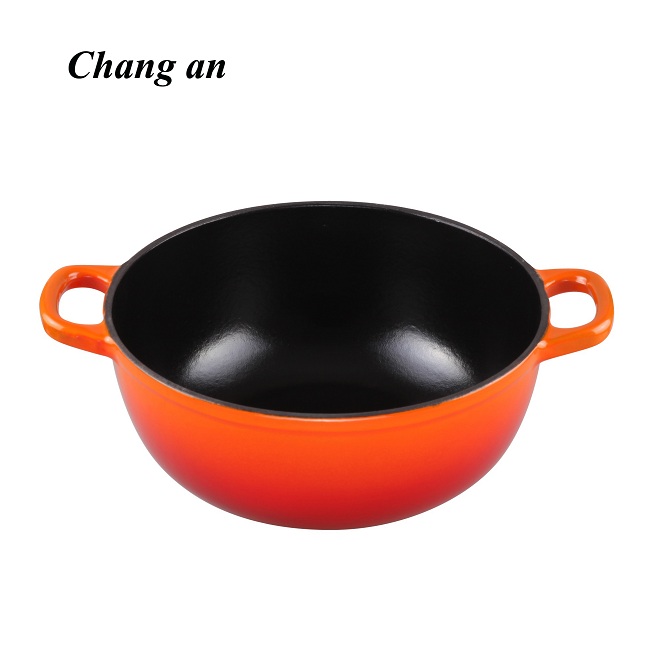
Small kitchens are having a moment—micro-lofts, van conversions, even office breakrooms moonlighting as bistros. The humble 2 Quart Enameled Cast Iron Dutch Oven fits right in: tiny footprint, serious heat retention, and (speaking as someone who tests too many pots) the easiest way to turn a Tuesday into braised-something special. The unit linked above is a larger sibling from Hebei, China, but it shows the manufacturing muscle behind this category.
What’s trending (and why it matters)
Three currents define the market: downsizing (two-person households), induction cooktops (Europe first, now the U.S.), and color-led gifting. Many customers say they’re trading bulky 6–7 qt stockpots for a 2 Quart Enameled Cast Iron Dutch Oven that can simmer rice, bake a demi-boule, or hold a perfect two-portion stew. Honestly, the versatility per square inch is hard to beat.
Core specifications (typical 2 qt)
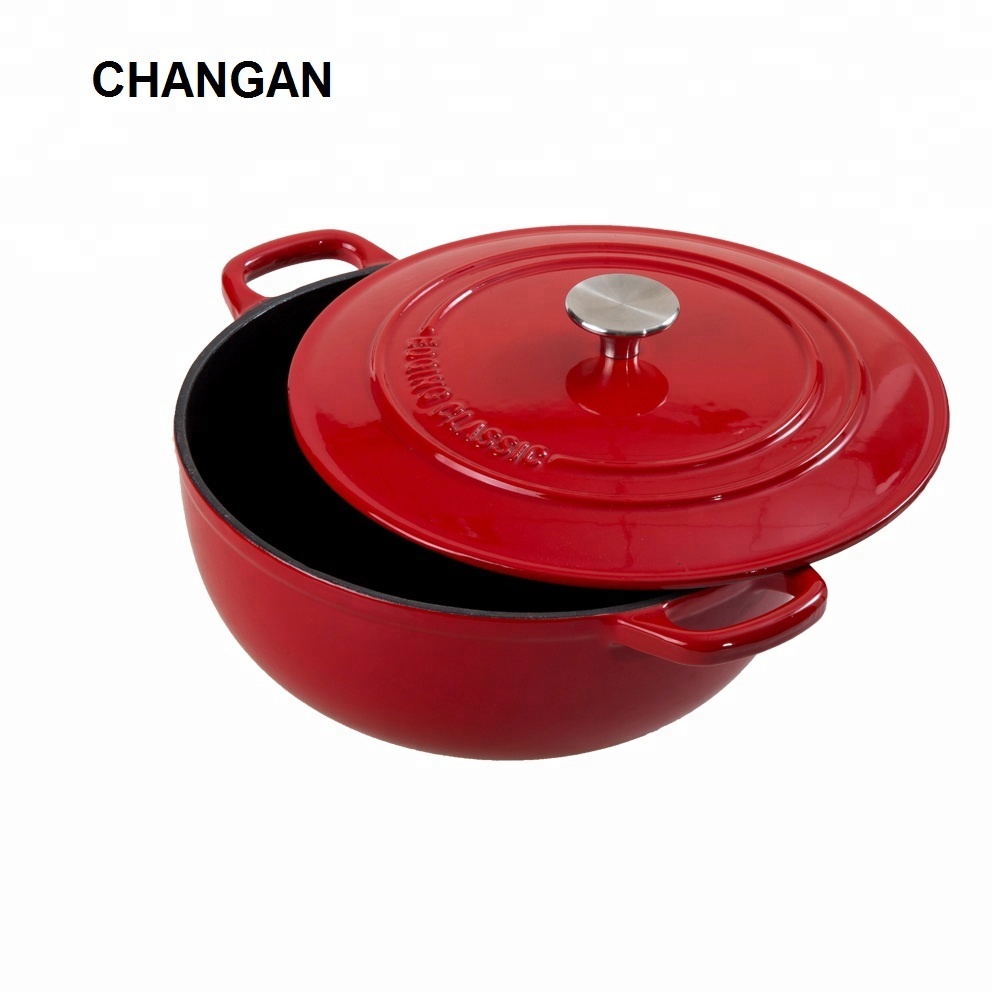
| Nominal capacity | ≈ 1.9 L (2.0 qt), round |
| Diameter / height | 18–20 cm / 9–10 cm (real‑world use may vary) |
| Material | Grey cast iron (EN-GJL-200/250) with vitreous enamel, 2–3 coats |
| Enamel thickness | ≈ 250–400 µm |
| Heat sources | Gas, electric, induction, ceramic; oven-safe up to ≈ 260°C |
| Lid | Tight fit; optional self-basting spikes |
| Testing | LFGB/FDA food-contact, EN 12983 cookware, ISO 4530 acid resistance |
How it’s made (short version)
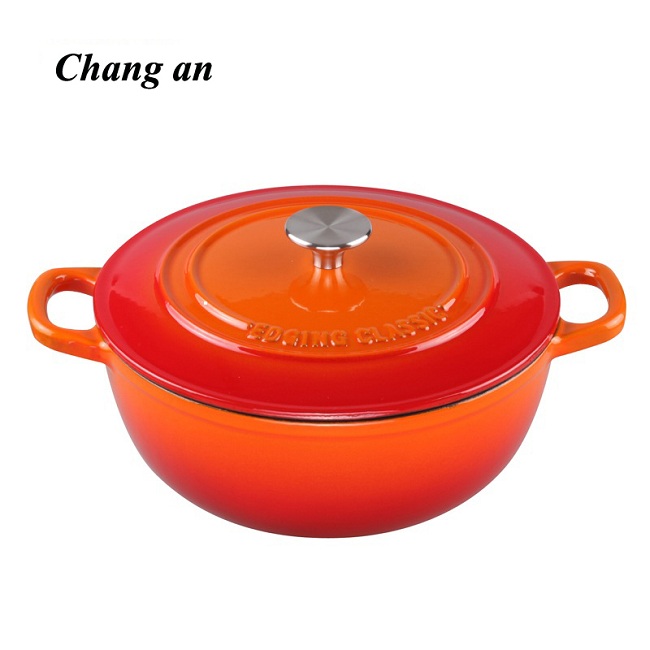
Materials and methods: recycled iron is melted, sand-cast, shot-blasted, and CNC-trued. Ground-coat enamel goes first for adhesion; color coats follow. Firing happens around 800–840°C, which vitrifies the glassy layer. Typical QC includes coating thickness gauge checks, citric-acid boil per ISO 4530, lid fit tolerance, and flatness for induction. Service life? Around 10–15 years at home (with wooden/silicone utensils); commercial kitchens see 5–8 years.
Vendor snapshot and customization
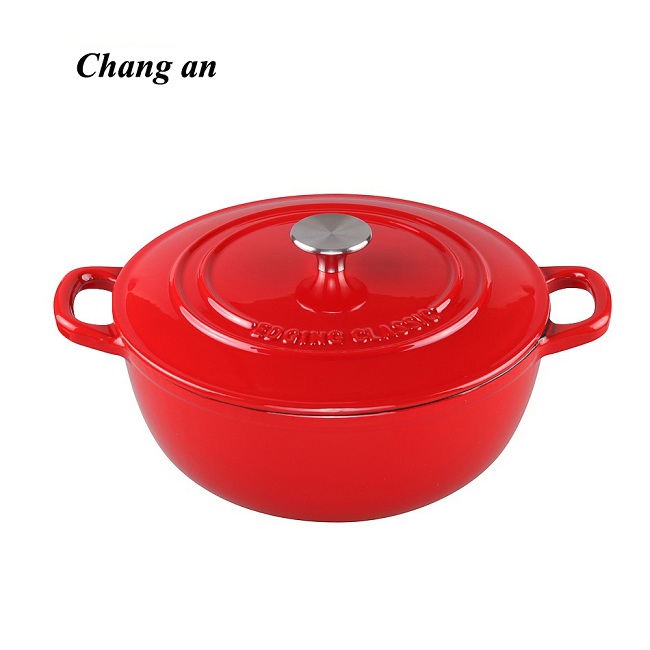
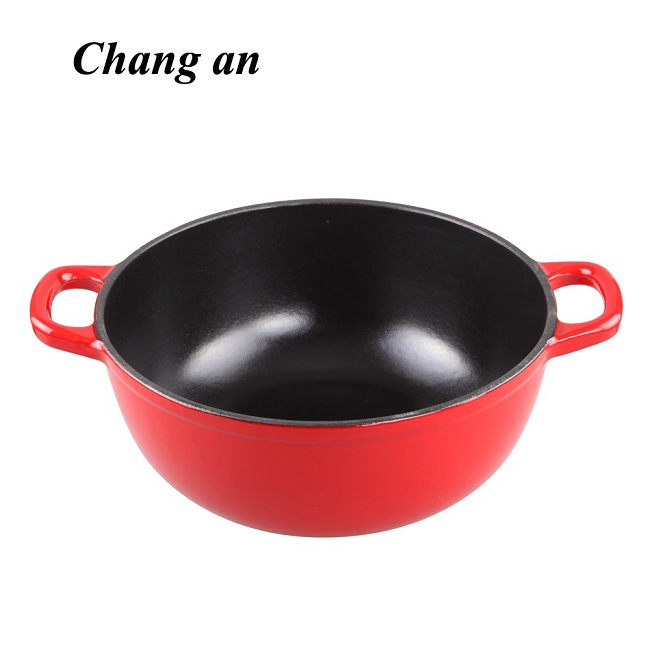
Foundry Asia (origin: 150m Southwards, West DingWei Road, Nanlou Village, Changan Town, GaoCheng Area, Shijiazhuang, HeBei, China) lists a 25/27 cm unit (≈ 5–6 qt) with customizable colors—red, blue, pink, grey, purple, white, black. For buyers who need a matching 2 Quart Enameled Cast Iron Dutch Oven, most factories can scale molds or supply existing 18–20 cm sizes with OEM logos and Pantone-matched enamel.
| Vendor | Capacity range | Certs (typical) | Lead time | Notes |
| Foundry Asia (25/27 cm) | 5–6 qt; can tool 2 qt | ISO 9001, LFGB, FDA | 30–45 days | Color OEM; competitive MOQ |
| EU Brand A | 2–7.25 qt | EN 12983-1, LFGB | In stock (EU) | Premium pricing |
| Importer B (US) | 1.5–6 qt | FDA, Prop 65 | 60–75 days | Private label focus |
Real-world use and test data
- Customer feedback: “sears like a heavy 6 qt, but portion-perfect.” Some note the lid knob gets hot (predictably), so a silicone grab helps.
- Lab snapshot (example): enamel thickness 320 ± 40 µm; acid resistance per ISO 4530 pass (
- Industries: home cooking, boutique hospitality, campsite rental kits, meal-prep studios.
Applications (why 2 qt hits the sweet spot)
- Weeknight braise for two; dhal or beans for 2–3 servings.
- Bread: 400–500 g dough boule (yes, the crust sings).
- Side dishes: mac-and-cheese, risotto, mulled cider.
Case in point: a boutique hotel in Portland swapped 8 massive pots for a dozen 2 Quart Enameled Cast Iron Dutch Oven units—prep moved to induction, and plating became “from-oven-to-table.” Small change, big upgrade.
Quick tip: avoid thermal shock (don’t douse a hot pot in cold water), and stick to low–medium heat; enamel prefers gentle ramps. To be honest, that’s where the magic happens anyway.
Citations
- EN 12983-1: Cookware for use on top of a stove — General requirements. BSI overview: https://www.bsigroup.com
- ISO 4530: Vitreous and porcelain enamels — Determination of acid resistance. ISO: https://www.iso.org
- FDA 21 CFR 175.300 — Resinous and polymeric coatings (food contact): https://www.ecfr.gov
- LFGB §§30/31 — German Food, Articles of Daily Use and Feed Code (food-contact): https://www.gesetze-im-internet.de
-
Professional Guide to China Cleaning Cast Iron Wok Maintenance
NewsApr.09,2026
-
Explore the Benefits of a China Cast Iron Grilling Wok for Your Kitchen
NewsApr.07,2026
-
China Victoria Cast Iron Wok A Comprehensive Guide to Quality Cookware
NewsApr.04,2026
-
Discover the Superior Quality of China Enameled Cast Iron Wok Cookware
NewsMar.31,2026
-
Discover the Benefits of a China Cast Iron Wok with Lid for Authentic Cooking
NewsMar.28,2026
-
Exploring the Rich History and Value of China Antique Iron Wash Pots
NewsMar.26,2026