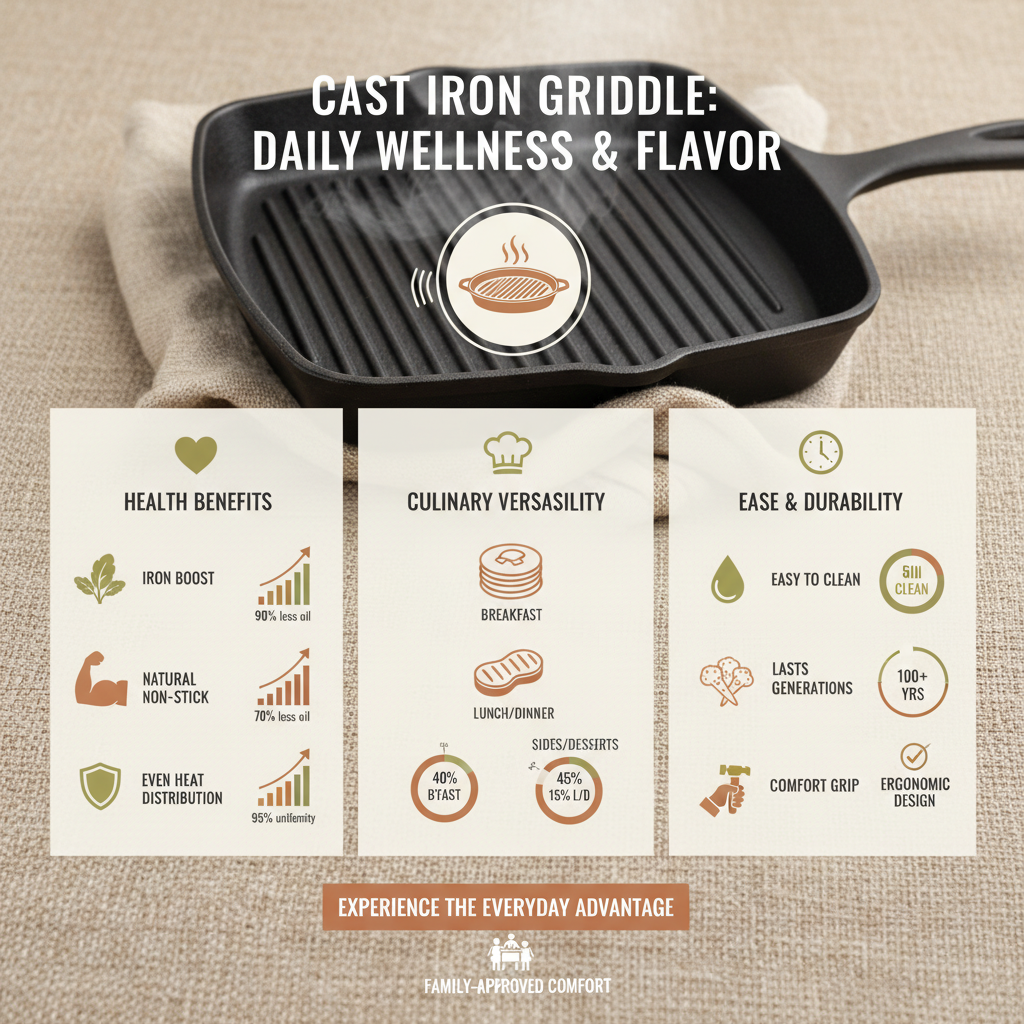
The evolution of professional cookware has led to a growing demand for high-performance tools that balance capacity and maneuverability. In the world of high-heat cooking, the search for a cast iron wok large often centers on finding a vessel that can handle bulk ingredients without the prohibitive weight of traditional cast iron.
Modern commercial kitchens require equipment that maximizes efficiency while ensuring staff safety. Transitioning to lightweight ductile iron solutions allows chefs to achieve the legendary heat retention of a heavy pan while significantly reducing the physical strain associated with moving large volumes of food during a rush.
Whether you are sourcing for a restaurant, a hotel, or a specialized kitchenware brand, understanding the technical advantages of a cast iron wok large designed with a unique net structure and lightweight properties is essential for optimizing productivity and culinary results.
Global Relevance of Large Capacity Cast Iron Cookware
In the global culinary landscape, the shift toward high-volume, healthy cooking has placed a spotlight on the cast iron wok large. From the bustling street markets of Asia to the high-end hotel kitchens of Europe, the ability to sear meat and vegetables quickly at extreme temperatures is a universal requirement. However, the industry has long struggled with the "weight penalty" of traditional cast iron, which often leads to workplace fatigue and safety hazards in fast-paced environments.
By integrating advanced ductile iron casting techniques, manufacturers are now able to produce large-capacity pans that maintain the thermal mass required for a perfect stir-fry while remaining light enough for single-handed maneuverability. This innovation aligns with ISO standards for ergonomic workplace design, reducing the risk of musculoskeletal injuries for kitchen staff who must lift and tilt heavy pans throughout an eight-hour shift.
Defining the Modern Lightweight Cast Iron Wok Large
A cast iron wok large is more than just a high-capacity frying vessel; it is a precision-engineered tool designed for superior heat distribution. Unlike standard cast iron, the modern lightweight version utilizes a specific ductile iron alloy and an innovative net structure on the surface, which enhances the non-stick properties and reduces the overall mass of the product without sacrificing the durability that makes cast iron famous.
In the context of modern industry, this product addresses the critical need for "professional performance with residential ease." For B2B buyers, this means a product that can withstand the rigors of a commercial stovetop, oven (up to 500 degrees), or campfire, while being light enough to be transferred safely from the heat source to the serving station.
Ultimately, the definition of a high-quality large wok rests on its versatility. Whether it is pre-seasoned for a rustic sear or enameled for a polished, low-maintenance finish, the goal is to provide a stable, wobble-free cooking surface that can handle bulk portions of protein and vegetables with consistent caramelization and minimal risk of burning.
Core Components of Professional Grade Woks
The primary strength of a cast iron wok large lies in its thermal retention. Because cast iron holds heat more effectively than aluminum or stainless steel, it prevents the temperature drop that usually occurs when cold ingredients are added to the pan, ensuring that food sears rather than steams.
A key structural innovation is the unique net surface structure. This feature, found in high-end models like those from Hebei Chang An, creates a micro-textured layer that promotes a natural non-stick function. This is particularly beneficial for a cast iron wok large, where the large surface area can otherwise lead to food sticking if not perfectly seasoned.
Furthermore, the ergonomic design of the sturdy stick handle is crucial for safety. In a large-format pan, the center of gravity shifts significantly when filled with food; a reinforced handle ensures that the chef can maneuver the cast iron wok large with precision, reducing the likelihood of spills and burns during the sautéing process.
Performance Metrics and Heat Efficiency
When evaluating the efficiency of a cast iron wok large, the most critical metric is the balance between weight and heat distribution. Traditional pans often suffer from "hot spots" or excessive weight that slows down the workflow. Lightweight ductile iron solves this by offering a more uniform wall thickness and a material composition that conducts heat more evenly across the wide base.
For commercial buyers, the value is found in the reduction of "down-time" and the increase in "output-per-chef." A pan that is easier to lift and faster to heat means more portions served per hour, directly impacting the bottom line of restaurants and catering services.
Performance Rating of Large Capacity Cookware
Industrial Applications in Commercial Kitchens
The application of a cast iron wok large extends across various B2B sectors. In high-volume restaurants and hotel kitchens, these pans are used for bulk searing and slow-cooking, where the ability to move the pan from the stove to an oven (up to 500°F) is vital. The lightweight design allows kitchen staff to operate with greater speed and less fatigue, which is crucial during peak hours when operational efficiency is the primary driver of profit.
Beyond professional kitchens, these products are highly sought after by kitchenware brands for Amazon and Shopee shops, as well as by gift stores and souvenir shops. The option for customized mold designs, laser-etched logos on stainless-steel knobs, and bespoke enamel colors (using brands like TOMATEC) makes the cast iron wok large a premium product for retail branding and corporate gifting.
Long-Term Value and Operational Sustainability
Investing in a high-quality cast iron wok large offers significant long-term value through durability and reduced replacement costs. Unlike non-stick coatings that peel over time, a seasoned cast iron surface improves with age. This longevity ensures that commercial buyers aren't constantly replacing cookware, making it a sustainable choice for both the environment and the budget.
From an operational standpoint, the ease of maintenance is a game-changer. While dishwashers are prohibited to preserve the seasoning, the use of warm water and a soft sponge is sufficient for cleaning. For bulk kitchens, this simplifies the cleaning workflow and reduces the reliance on harsh chemical detergents, contributing to a healthier kitchen environment.
The emotional value for the end-user—whether a professional chef or a home cook—comes from the trust in the tool. A cast iron wok large provides a reliable, consistent result every time, from the perfect sear on a piece of salmon to the evenly browned vegetables of a stir-fry, fostering confidence in the culinary process.
Future Innovations in Ductile Iron Casting
The future of the cast iron wok large is being shaped by automation and digital transformation in manufacturing. With cutting-edge production equipment, factories like Hebei Chang An are achieving daily capacities of 40,000 pieces, ensuring that global demand can be met with consistent quality and tighter tolerances.
We are seeing a trend toward "smarter" materials—alloys that further reduce weight while increasing heat conductivity. Additionally, the shift toward green energy in the casting process is reducing the carbon footprint of iron production, making the cast iron wok large an even more eco-friendly choice for the modern consumer.
Customization is also evolving. The integration of laser-finishing for logos and the development of new, food-safe enamel pigments allow brands to create unique product lines that stand out in a crowded marketplace. As the industry moves toward more personalized B2B solutions, the ability to customize molds within 7-25 days will become a standard requirement.
Analysis of Large Cast Iron Cookware Specifications and Lead Times
| Product Variant |
Key Advantage |
Sample Lead Time |
Batch Order Time |
| Pre-Seasoned Large Wok |
Natural Non-stick Surface |
3-10 Days |
20-60 Days |
| Enameled Large Wok |
Easy Clean / Premium Look |
3-10 Days |
20-60 Days |
| Custom Mold Wok |
Brand Exclusive Design |
10-15 Days |
30-60 Days |
| Lightweight Ductile Wok |
Reduced Staff Fatigue |
3-10 Days |
20-60 Days |
| Laser-Etched Series |
High Brand Recognition |
5-10 Days |
20-45 Days |
| Industrial Grade Wok |
Maximum Heat Retention |
3-10 Days |
20-60 Days |
FAQS
The primary advantage is the reduction in physical strain. Traditional large cast iron pans can be excessively heavy, increasing the risk of burns and spills in a busy kitchen. A lightweight version, made from ductile iron with an optimized net structure, provides the same professional heat retention and searing capabilities but is significantly easier to lift and maneuver, enhancing overall staff safety and productivity.
Yes, these professional-grade woks are highly versatile. They are designed to be oven-safe up to 500 degrees Fahrenheit, allowing chefs to sear proteins on the stovetop and then transfer the pan directly into the oven for finishing. This versatility is a core requirement for modern commercial cooking workflows.
To maintain the non-stick properties and longevity of the pan, it should be cleaned with warm water and a soft sponge. It is critical to avoid using dishwashers, as the harsh chemicals and high-pressure water can strip away the seasoning. For pre-seasoned models, a light coating of oil after drying will keep the surface in top condition.
Absolutely. Manufacturers like Hebei Chang An offer extensive customization options for B2B buyers. This includes customized mold designs, custom enamel colors using the TOMATEC brand, and logo finishing on stainless-steel knobs or the bottom of the pan via engraving or laser etching. The MOQ for individual sizes and colors is typically 500 pieces.
Pre-seasoned woks use baked-in oils to create a natural non-stick surface and a rustic aesthetic, ideal for high-heat searing. Enameled finishes provide a glass-like coating that is easier to clean, doesn't require seasoning, and offers a more premium, colorful appearance suitable for high-end retail or presentation-focused kitchens.
For standard batch orders, the lead time typically ranges from 20 to 60 days. If a customized mold is required, the mold lead time is approximately 7-25 days, and samples can generally be produced within 3-10 days. This efficient timeline allows commercial buyers to scale their inventory quickly based on market demand.
Conclusion
The transition toward lightweight, high-capacity cookware represents a significant leap in kitchen ergonomics and culinary efficiency. By combining the legendary heat retention of cast iron with the manageable weight of ductile iron and a unique net surface structure, the cast iron wok large solves the age-old conflict between performance and usability. From reducing workplace injuries to enhancing the quality of high-volume searing, these tools provide indispensable value to professional chefs and commercial buyers alike.
As we look toward the future, the integration of automated production and sustainable casting methods will continue to make these tools more accessible and eco-friendly. For businesses looking to upgrade their kitchen operations or launch a premium cookware line, investing in versatile, customizable, and durable cast iron solutions is a strategic move for long-term success. Visit our website: www.castcookware.com