
- 150m Southwards, West DingWei Road, Nanlou Village, Changan Town, GaoCheng Area, Shijiazhuang, HeBei, China
- monica@foundryasia.com
Premium Cast Iron Cookware Series
Explore our range of high-performance cookware designed for durability and superior heat retention.

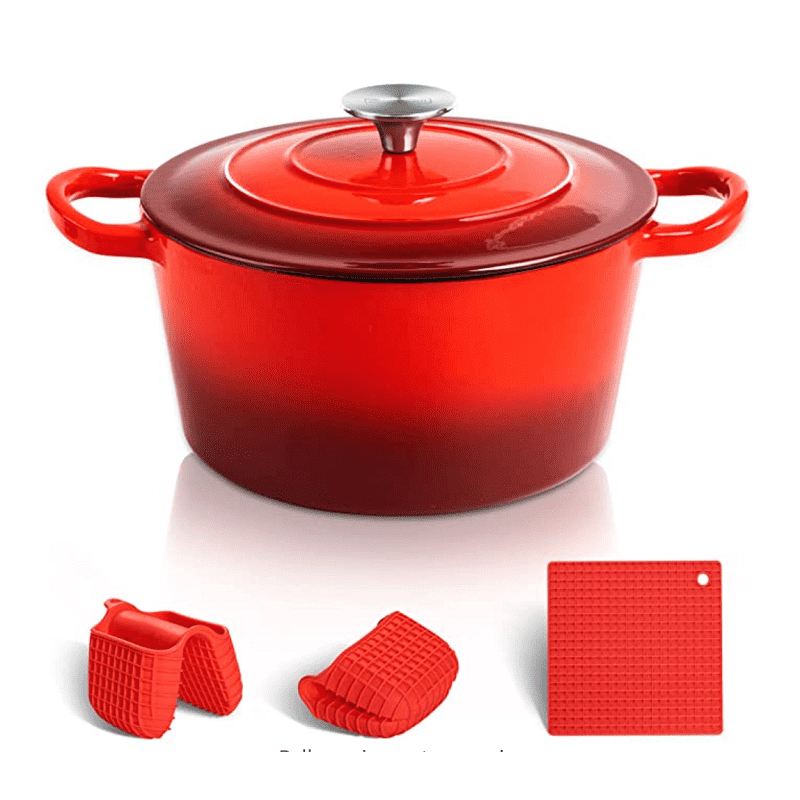
5.5 Quart Enameled Cast Iron Dutch Oven, Round Enamel Dutch Ovens Pot -Navy

Pre-seasoned cast iron wok
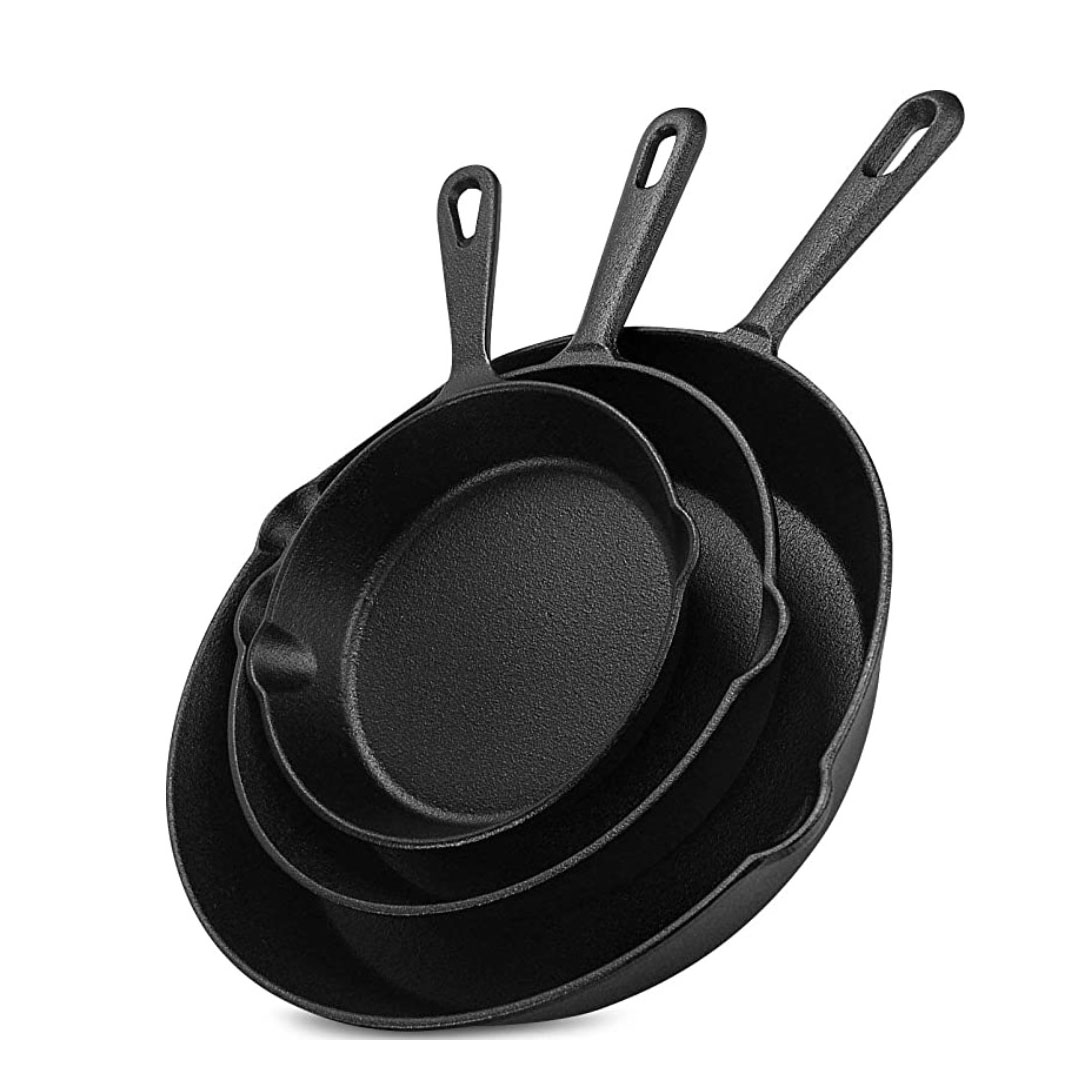
Pre-Seasoned Cast Iron Skillet Set 3-Piece – 6 Inch, 8 Inch and 10 Inch
Market Analysis
Cast Iron Demand in Switzerland
Understanding the intersection of traditional culinary arts and modern Swiss kitchen standards.
15M+
Annual Capacity (Pieces)
ISO9001
Quality Certification
LFGB
EU Food Safety Compliant
40,000
Production Area (sqm)
In Switzerland, the culinary market emphasizes a blend of longevity and precision. The demand for a cast iron skillet extends beyond simple frying; it is an investment in sustainable cooking. Swiss consumers prioritize non-toxic coatings and strict adherence to EU health standards, making certification a critical procurement factor.
The alpine climate and regional cooking habits often involve slow-cooking and high-heat searing, where the thermal mass of cast iron provides a distinct advantage over thinner alternatives.
Procurement decisions in the Swiss region are heavily influenced by the balance between industrial efficiency and artisanal quality. There is a growing trend toward enameled products that combine the heat properties of iron with easier maintenance.
Consequently, the shift toward high-automation casting lines ensures that the precision required for tight-fitting lids on a cast iron casserole is consistently met.
Industry Evolution
The Evolution of Metal Cast Cookware
From traditional sand casting to high-precision automated injection molding.
Early Stage
Traditional Casting
Manual sand casting methods focusing on raw durability and heavy-weight designs.
Growth Stage
Surface Treatment
Introduction of enamel coatings and vegetable oil seasoning to enhance non-stick properties.
Industrial Stage
Automated Lines
Integration of DISA lines to improve dimensional accuracy and reduce scrap rates.
Current Stage
Global Compliance
Strict alignment with FDA, LFGB, and ISO standards for international food safety.
Future Stage
Sustainable Casting
Focus on energy-efficient melting and eco-friendly enamel materials.
Strategic Outlook for European Kitchenware
01
Technical Precision
Move toward "box-free" injection molding to achieve thinner walls without sacrificing strength.
02
Eco-conscious Materials
Increased demand for PFOA-free enamel and biodegradable packaging in the Swiss market.
Strategic Capabilities
Manufacturing Standards and Innovation
How advanced metallurgy meets the rigorous demands of the European hospitality sector.
Automated Casting
Using German DISA lines to ensure identical specifications across millions of units.
Material Analysis
Imported BRUKER spectrographs for precise chemical composition of every melt.
Compliance Testing
Rigorous ISO 04531-2018 and LFGB testing to ensure food-grade safety.
Enamel Finishing
Specialized lines for durable, chip-resistant enameled finishes on woks and casseroles.
The integration of vertical parting-type box-free injection molding has revolutionized the production of a cast iron grill pan, allowing for a more uniform distribution of iron and reducing internal porosity.
By maintaining a dedicated R&D team of 30 experts, the manufacturing process is continuously optimized to meet the specific weight and balance requirements of European premium brands.
Application Case Studies
Strategic Deployment in Switzerland
Practical applications of heavy-duty cast iron in diverse Swiss commercial and residential environments.
01
Luxury Hotel Kitchens in Zurich
High-volume use of enameled cast iron wok for fusion cuisine, requiring consistent heat and rapid cleaning turnover.
02
Alpine Chalet Residential Use
Demand for multi-functional cast iron casserole for slow-cooking traditional stews during winter months.
03
Geneva Commercial Catering
Implementation of large-scale cast iron griddle systems for high-efficiency breakfast service in corporate hubs.
04
Culinary Academies in Lausanne
Training environments requiring precision-engineered cookware that can withstand extreme temperature fluctuations.
05
Retail Distribution in Bern
Supply chain requirements for high-end retail stores focusing on sustainable, long-life home products that meet EU LFGB certification.
Corporate Heritage
Hebei Chang'an Spheroidal Graphite Iron Casting Co., Ltd.
A legacy of precision casting and global industrial partnership.
2010
Foundation
Established in Shijiazhuang city, Hebei province, covering a 40,000 square meter specialized facility.
Infrastructure Expansion
Deployed 2 highly automatic DISA casting lines from Germany and established multiple enamel and vegetable oil lines.
Operational Growth
Global Certification
Compliance Milestone
Achieved ISO9001, BSCI, FDA, and EU LFGB certifications to support top brands in USA, France, Germany, and beyond.
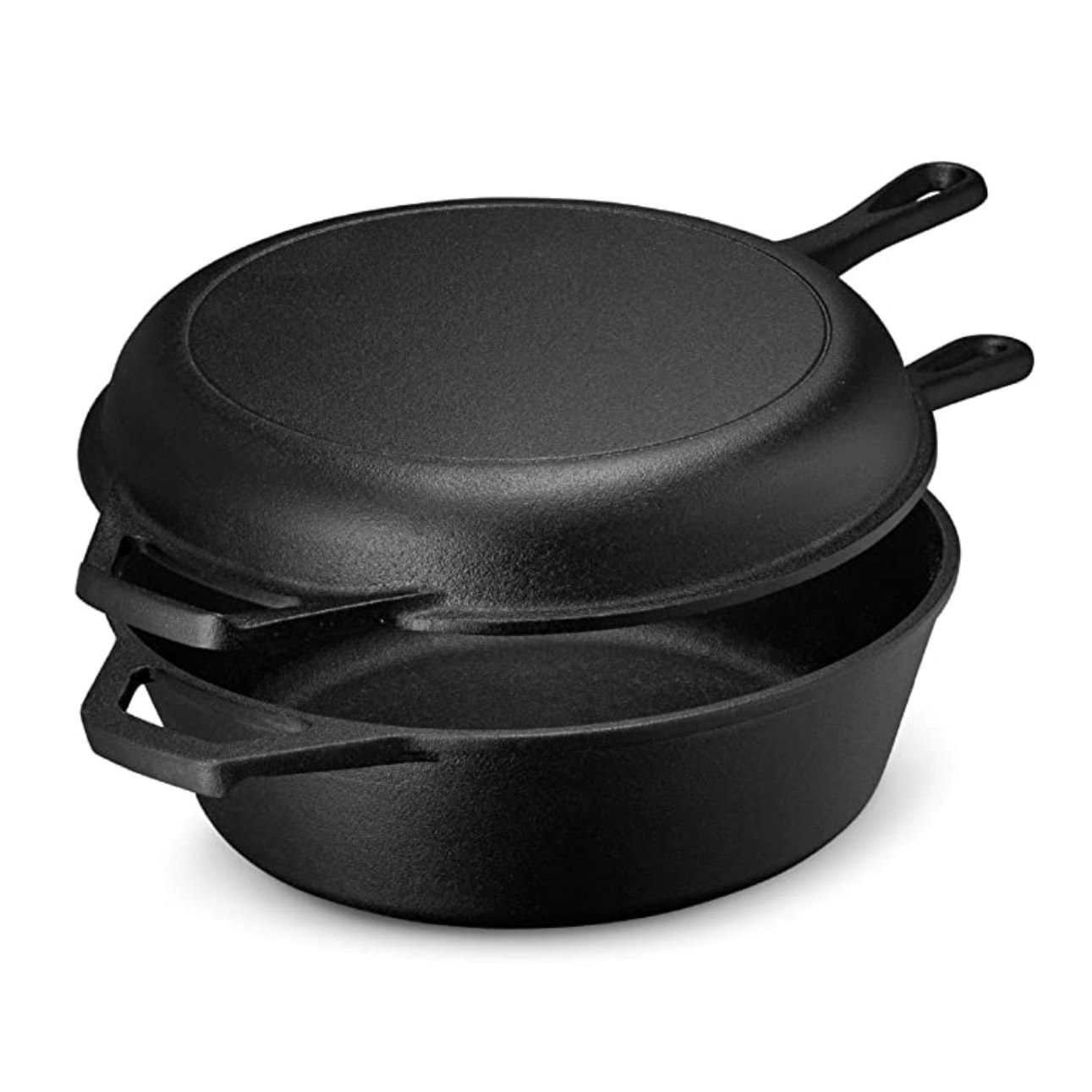
Comprehensive Industrial Cast Iron Catalog
From professional-grade grill pans to specialized enameled woks, our catalog supports various culinary needs.
Knowledge Base
Frequently Asked Questions
Technical and procurement guidance for our global partners.
Professional cast iron offers unmatched heat retention and distribution. Its ability to maintain a stable temperature makes it ideal for searing, braising, and long-term durability in both home and commercial kitchens.
The LFGB (Lebensmittel- und Futtermittelgesetzbuch) is a strict German and European standard for food contact materials. For Swiss importers, this ensures that the coatings and materials used are safe and non-toxic.
Enameled iron is preferred for acidic foods and easier cleaning, while raw cast iron is ideal for high-heat searing and developing a natural non-stick patina over time.
Quality is determined by the carbon content, the precision of the molding line (such as using DISA automation), and the thickness uniformity verified by hydraulic testing machines.
With an annual capacity of over 15 million pieces and 200 professional workers, we can support large-scale OEM orders for global brands while maintaining strict quality control.
You should initiate consultation during the product design or procurement planning phase to ensure that the casting specifications and certifications align with your regional market requirements.
Optimize Your Cookware Supply Chain in Switzerland
Leverage our high-capacity automated casting and EU-compliant manufacturing for your next project in the metal kitchenware industry.
Get a Technical Consultation