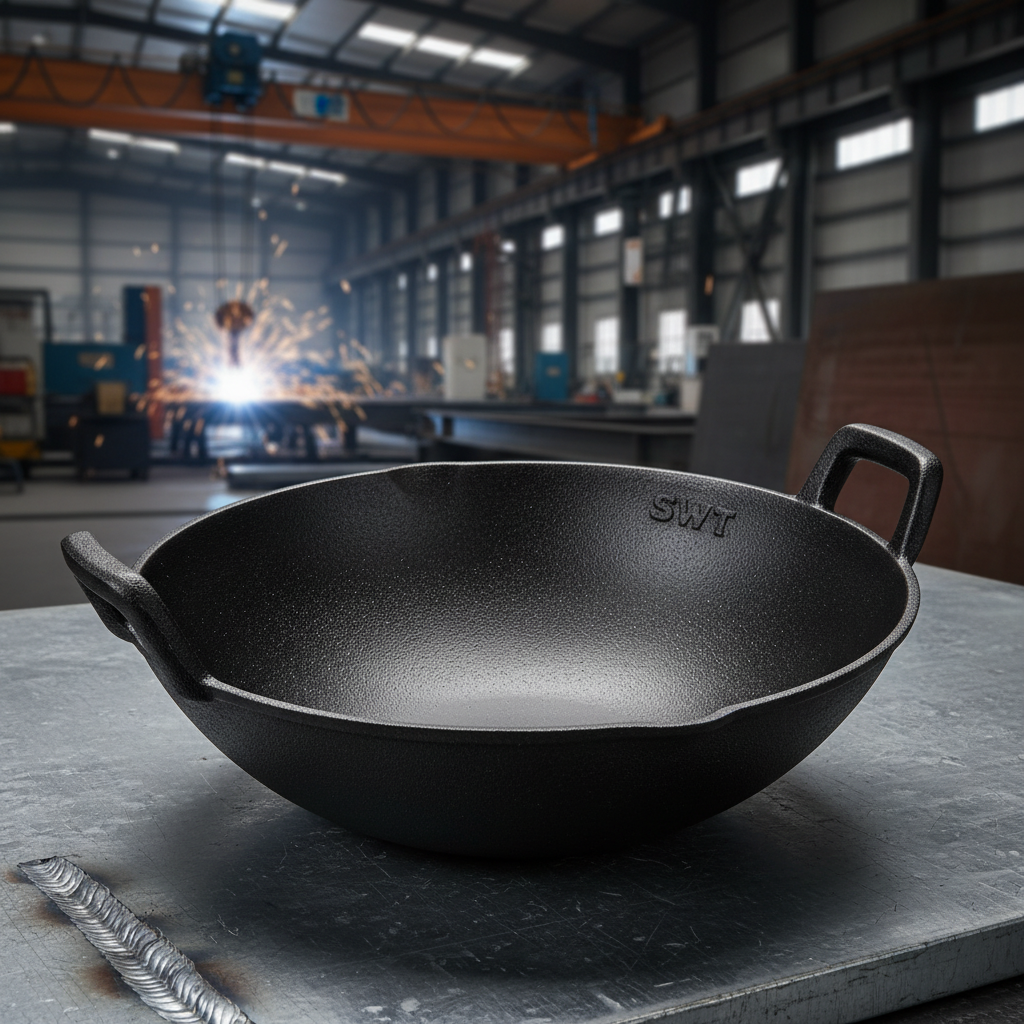
The legend cast iron company refers to the specialized manufacturing of premium cast iron cookware, focusing on the fusion of traditional metallurgical strength and modern enamel technology. In the context of professional gastronomy, these products—ranging from Dutch ovens to miniature skillets—are designed to provide unmatched heat retention and durability for high-volume commercial environments.
For commercial buyers in the kitchenware and hospitality sectors, the challenge lies in finding cookware that survives the rigors of industrial use without compromising aesthetic presentation. The shift toward individual plating and "oven-to-table" service has increased the demand for high-performance miniature cast iron vessels that can withstand extreme temperatures while remaining visually appealing for guests.
This analysis examines the technical specifications, commercial applications, and procurement standards of premium cast iron cookware. Readers will gain a comprehensive understanding of how to evaluate material quality, enamel durability, and the operational advantages of integrating high-capacity cast iron solutions into professional culinary workflows.

1Core Characteristics of Professional Cast Iron

Professional-grade cast iron is defined by its dense molecular structure, which allows for superior thermal mass. This property ensures that the cookware maintains a consistent temperature even when cold ingredients are added, a critical requirement for searing meats and slow-cooking stews. The legendary quality of these products stems from precise casting processes that eliminate porosity and structural weaknesses.
In a commercial setting, the physical weight of the cookware is an asset, providing stability on high-output burners and induction ranges. The structural integrity allows for high-temperature roasting up to 500°F, making it compatible with a wide array of professional oven configurations.
Furthermore, the ability to transition from the stovetop to the oven and then directly to the customer's table streamlines kitchen operations. This efficiency reduces the need for intermediate plating vessels and helps maintain the serving temperature of the food throughout the delivery process.
2Technical Advantages of Enamel Coatings
Enameled cast iron represents a significant technological upgrade over raw cast iron by adding a vitreous silica coating. This enamel layer creates a non-reactive surface, allowing chefs to cook acidic foods—such as tomato-based sauces or wine reductions—without the risk of metallic leaching or altering the flavor profile of the dish.
The durability of the enamel is crucial for industrial use. High-quality coatings, such as those from TOMATEC, are designed to resist chipping and scratching under heavy use. This ensures that the cookware maintains its professional appearance even after hundreds of cycles through high-heat ovens and industrial dishwashers.
Additionally, the smooth surface of the enamel facilitates easier cleaning and adherence to strict health and safety standards. By preventing food particles from becoming trapped in the pores of the iron, enameled vessels minimize the risk of cross-contamination in fast-paced kitchen environments.
3Commercial Applications and Versatility
Miniature cast iron pots and skillets have become essential tools for the "small plate" and tapas trend. Their ability to serve as both a cooking vessel and a presentation piece allows restaurants to deliver sizzling, hot portions of gratins, dips, or individual desserts directly to the guest, enhancing the sensory experience.
In hotel buffet services and room service, the exceptional heat retention of small enameled skillets ensures that meals remain at the optimal temperature during transport. This is particularly vital for high-end hospitality where the guest's perception of quality is tied to the temperature and presentation of the meal.
Beyond the restaurant, these products are highly marketable in gift stores and supermarkets. Their combination of aesthetic appeal—often featuring vibrant colors—and lifelong durability makes them a preferred choice for consumers seeking professional-grade cookware for home use.
4Performance Analysis and Heat Metrics
The efficiency of cast iron is measured by its thermal diffusivity and heat capacity. Unlike aluminum or stainless steel, which heat up and cool down rapidly, cast iron stores a vast amount of energy. This results in a slower ramp-up time but provides a stable thermal environment that is indispensable for braising and roasting.
When comparing professional cast iron to standard commercial cookware, the difference in heat stability is stark. A well-manufactured cast iron pot can maintain a serving temperature for several minutes longer than a ceramic or stainless steel equivalent, reducing the frequency of reheating.
legend cast iron company Performance Metrics
The data indicates that the precision of the casting process and the quality of the enamel directly correlate with the efficiency of heat distribution. Low-grade cast iron often suffers from uneven wall thickness, leading to unpredictable cooking results, whereas premium production ensures uniform heat flow.
5Procurement Standards for Industrial Buyers
For procurement officers at supermarkets, hotel chains, or kitchenware brands, the evaluation of a supplier must go beyond the unit price. Key metrics include the manufacturer's daily capacity, quality certifications (such as ISO9001 and BSCI), and compliance with food safety standards like FDA and LFGB.
Lead times for customized molds and logos are also critical factors. In a competitive retail market, the ability to launch a branded line of cookware quickly depends on the supplier's mold development speed—typically ranging from 7 to 25 days for professional casting houses.
Minimum Order Quantities (MOQ) must be balanced against inventory costs. A reliable partner, like Hebei Chang An, offers scalable production, allowing buyers to order specific sizes and colors (e.g., 500 pcs per variant) to test market response before committing to larger volumes.
6Operational Limits and Maintenance
While cast iron is renowned for its durability, it is not indestructible. Thermal shock—the rapid transition from extreme heat to cold—can cause the enamel coating to crack or the iron to warp. Professionals are advised to avoid plunging hot pans into ice-cold water.
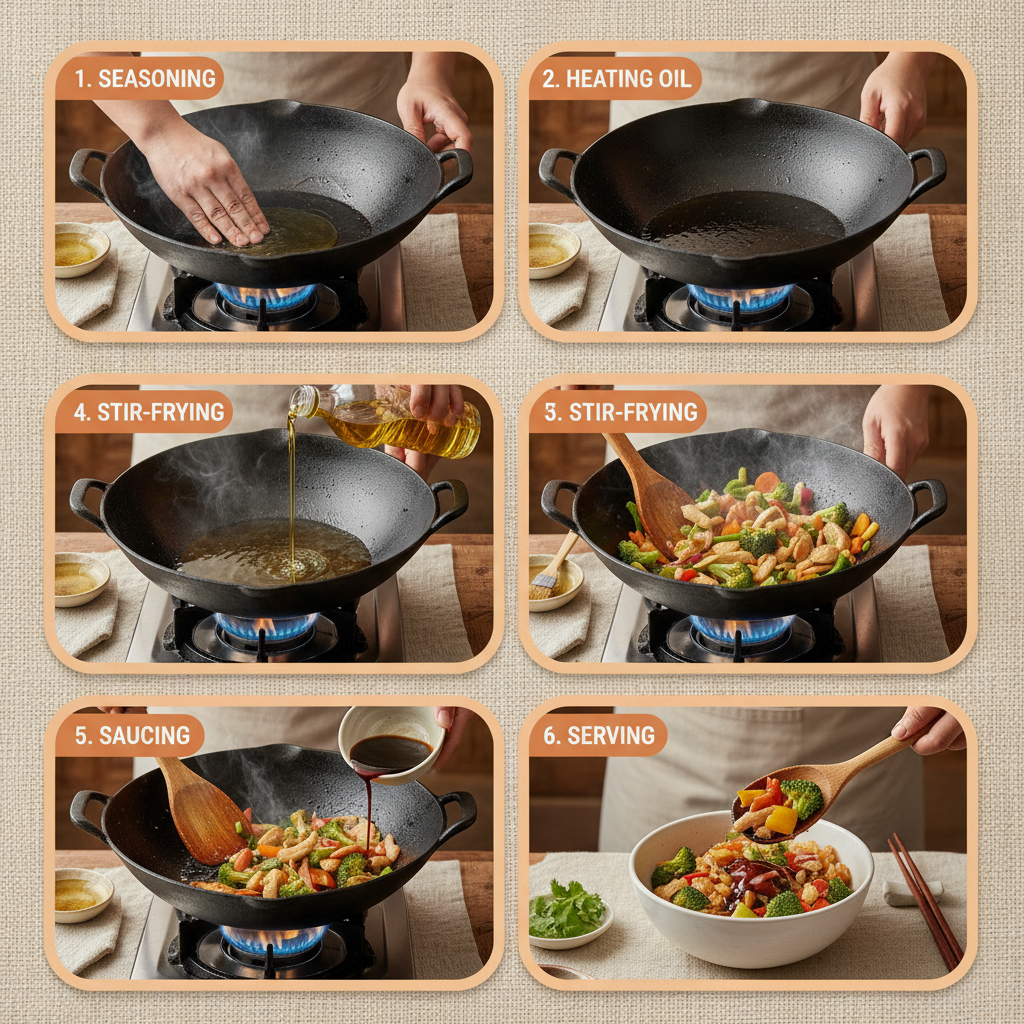
Maintenance for enameled cast iron is significantly simpler than for raw iron, as it does not require seasoning. However, the use of metal utensils can scratch the enamel over time. The use of silicone or wooden tools is recommended to extend the lifespan of the cookware in high-volume kitchens.
Weight management is another operational consideration. Due to the heavy nature of the material, ergonomic handles and proper stacking techniques are necessary to prevent staff injury and avoid chipping the rims of the pots during storage.
7Comparative Analysis of Cookware Materials
Choosing the right material depends on the specific culinary goal. While stainless steel is preferred for its reactivity and ease of cleaning, and aluminum for its rapid heating, cast iron is the undisputed leader in heat retention and durability for slow-cooking and presentation.
The following table provides a comparative overview of how professional cast iron performs against other common commercial materials across key operational dimensions.
| Material | Heat Retention | Durability | Best Use Case |
|---|---|---|---|
| Enameled Cast Iron | Exceptional | Very High | Braising / Presentation |
| Stainless Steel | Low | High | Sautéing / Boiling |
| Hard-Anodized Alum. | Moderate | Moderate | Fast-paced Frying |
| Carbon Steel | High | High | High-heat Searing |
| Ceramic | Moderate | Low | Baking / Slow Cook |
| Copper | Very Low | Moderate | Precision Temperature |
For buyers targeting the premium segment, enameled cast iron offers the best balance of functional performance and visual luxury. Its ability to move seamlessly from the kitchen to the dining table makes it a strategic investment for enhancing the guest experience.
Frequently Asked Questions
Conclusion
Investing in premium cast iron cookware is a strategic decision for any commercial culinary operation seeking to balance durability with high-end presentation. From the technical superiority of enamel coatings to the operational efficiency of oven-to-table service, these tools provide significant value in both the kitchen and the dining room.
Procurement teams and brand managers can ensure long-term success by partnering with manufacturers who prioritize material certification and production scalability. For those evaluating suitable professional solutions, detailed product specifications and manufacturing capabilities can be reviewed at www.foundryasia.com.