
- 150m Southwards, West DingWei Road, Nanlou Village, Changan Town, GaoCheng Area, Shijiazhuang, HeBei, China
- monica@foundryasia.com
Professional Cast Iron Series for Ethiopian Markets
Engineered for heat retention and longevity, our cookware supports both traditional and modern culinary needs.

Pre-seasoned cast iron skillet

Cast Iron frying pan 11.75 inch blue
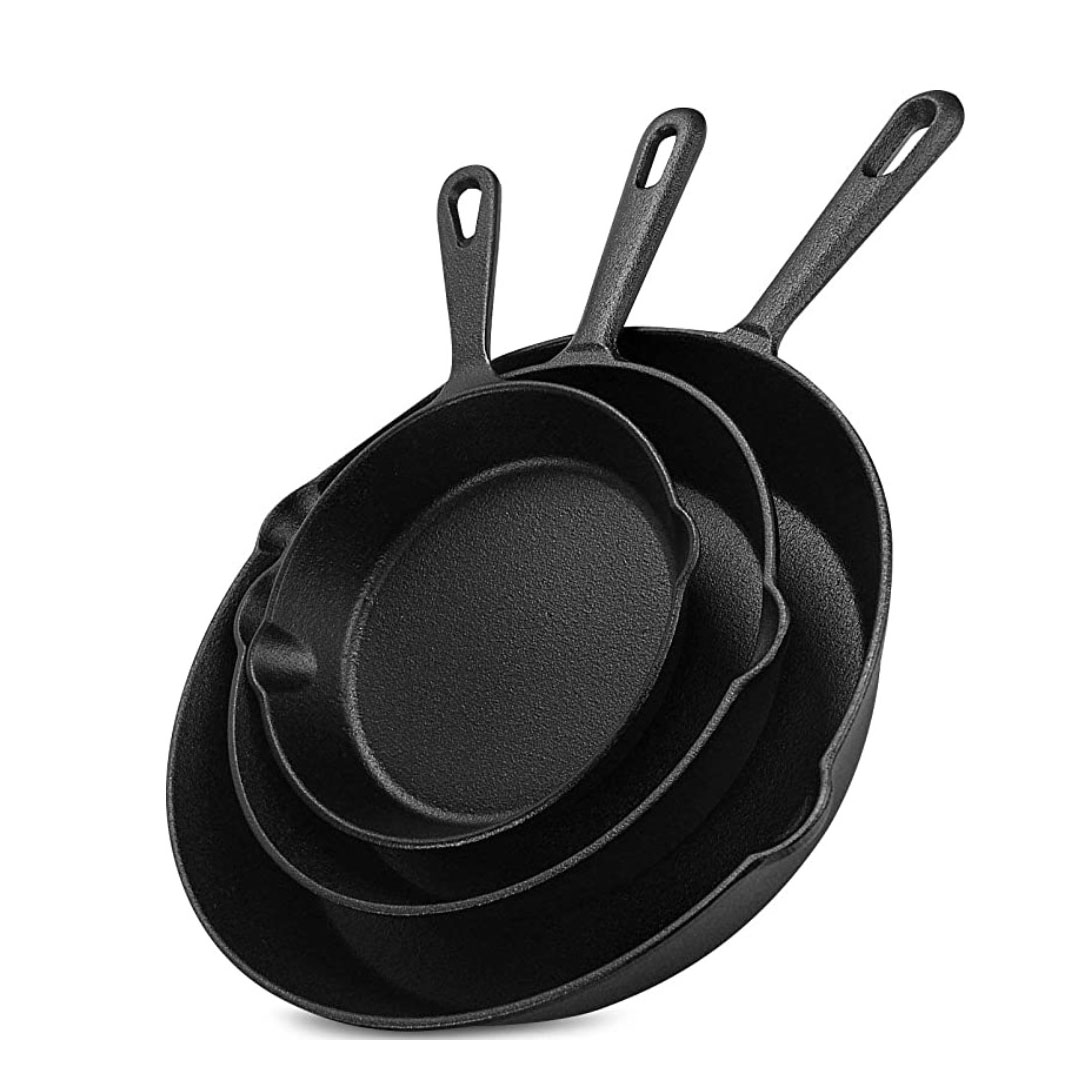
Pre-Seasoned Cast Iron Skillet Set 3-Piece – 6 Inch, 8 Inch and 10 Inch
02 — REGIONAL ANALYSIS
Evaluating the Demand for Durable Cookware in Ethiopia
Analyzing the transition from traditional pottery to industrial-grade cast iron in East African kitchens.
The Ethiopian culinary landscape is characterized by a strong preference for slow-cooking and high-heat searing, making a cast iron skillet an ideal tool for local chefs and home cooks. As urban centers like Addis Ababa expand, there is a growing shift toward standardized, food-safe industrial cookware that can withstand the rigors of high-volume commercial use while maintaining traditional flavor profiles.
Procurement in the region increasingly focuses on certifications and material purity. With the rise of the hospitality sector, importers are seeking suppliers who can provide consistent quality at scale, ensuring that products like the cast iron griddle meet international health standards such as FDA and LFGB, reducing the risk of contaminants in the food supply chain.
For Ethiopian distributors, the priority is balancing durability with logistics efficiency. Sourcing from a manufacturer with high annual capacity ensures a stable pipeline, preventing stockouts during peak seasonal demands in the regional food service industry.
03 — INDUSTRY EVOLUTION
Development of Casting Technology
The transition from manual molding to highly automated production lines.
Early Stage
Manual Production
Reliance on traditional sand casting with lower consistency and limited output capacity.
Expansion Stage
Automation Integration
Introduction of automatic vertical parting-type lines to increase precision and volume.
Current Stage
Precision Engineering
Implementation of DISA casting lines from Germany, achieving annual capacities exceeding 15 million pieces.
01
Enamel Coating Demand
Increased preference for enameled cast iron wok products to reduce maintenance and enhance hygiene in commercial kitchens.
02
Material Standardization
Rigorous testing via BRUKER spectrographs to ensure alloy purity and compliance with food safety laws.
03
Diversified Cookware Sets
Shift toward multi-functional tools, combining the utility of a cast iron casserole with modern ergonomic designs.
04 — FUTURE DIRECTIONS
Advancements in Casting Efficiency
Preparing for the next generation of metal cookware production.
01
Automated Quality Control
Implementing digital display hydraulic testing to eliminate human error in stress testing.
02
Eco-Friendly Coating
Developing vegetable oil lines to provide natural, non-toxic seasoning for health-conscious consumers.
03
Rapid Prototyping
Utilizing R&D teams to quickly adapt molds for specific regional kitchen requirements.
04
Supply Chain Digitalization
Optimizing the flow from raw material to delivery for international markets like Ethiopia.
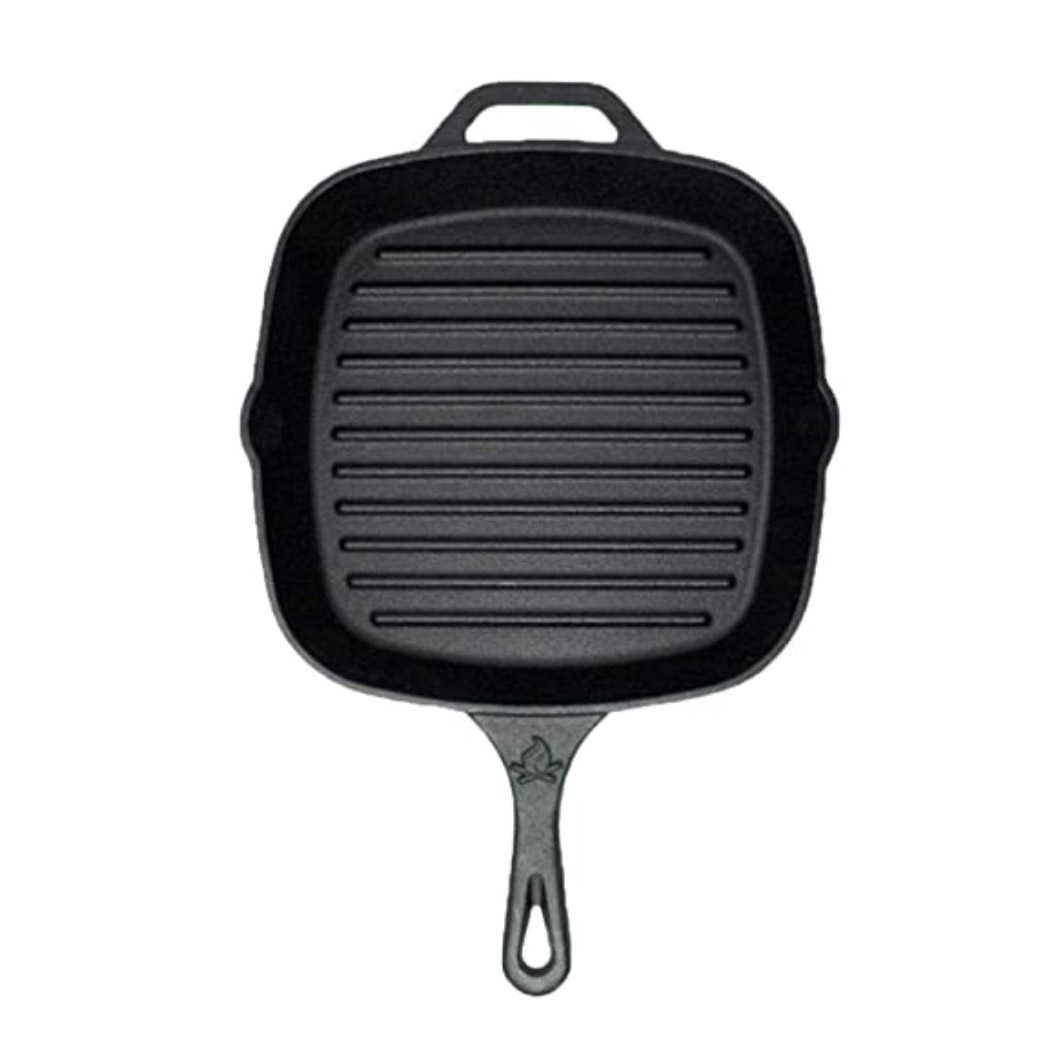
The future of cast iron production lies in the balance between massive scale and precise customization. By leveraging German-engineered DISA lines, manufacturers can maintain a capacity of 15 million pieces while ensuring every cast iron grill pan meets strict geometric tolerances.
Procurement managers should prioritize suppliers who hold both ISO9001 and BSCI certifications, as these ensure not only product quality but also ethical labor practices in the manufacturing process.
05 — APPLICATION SCENARIOS
Practical Use Cases in Ethiopia
How professional cookware adapts to various regional environments.
01
Urban Restaurant Chains
Using high-capacity grill pans to handle rapid order turnover in Addis Ababa's dining scene, ensuring consistent searing across multiple stations.
02
Hotel Banquet Catering
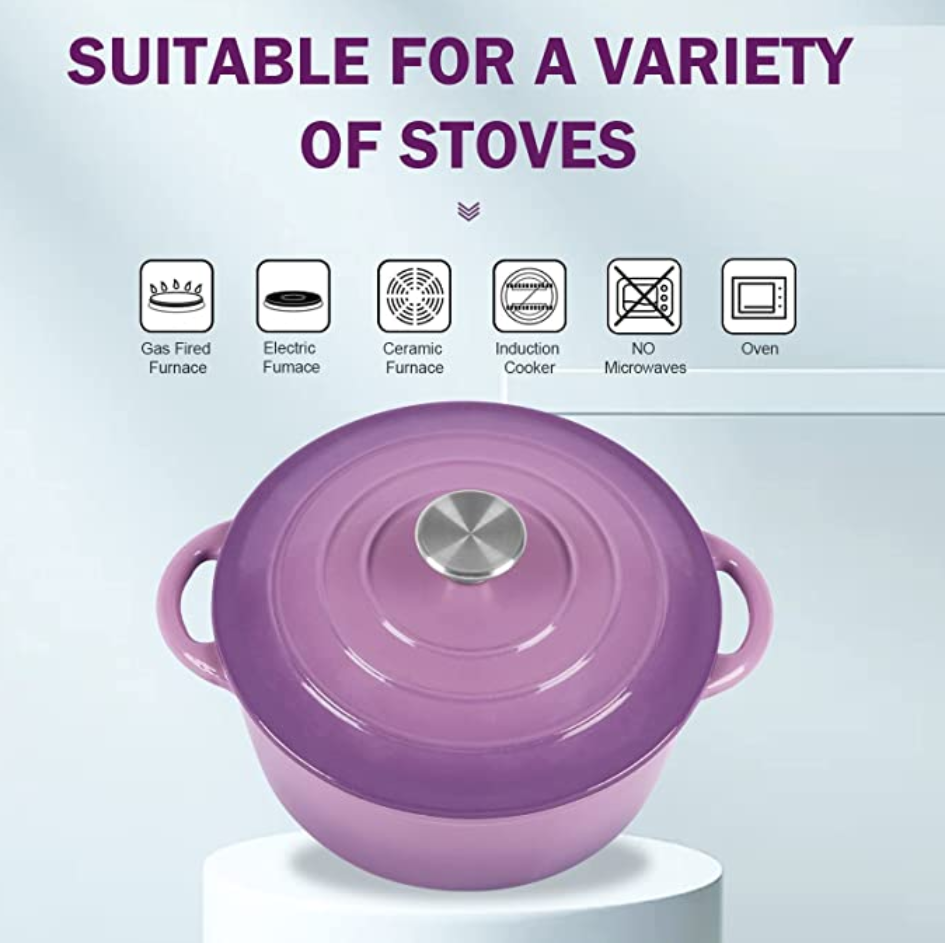
Implementing large-scale casseroles for slow-cooked stews, leveraging the superior heat retention of cast iron to keep food warm during service.
03
Retail Distribution Centers
Sourcing certified, FDA-approved cookware for nationwide sale, ensuring that retail buyers receive products that are durable and food-safe.
04
Traditional Fusion Cooking
Adapting enameled woks for traditional Ethiopian dishes that require high heat and stirring, combining modern non-stick properties with classic techniques.
05
Outdoor Culinary Festivals
Utilizing heavy-duty griddles for open-fire cooking events, where the robustness of the material prevents warping under extreme temperature fluctuations.
06 — CORPORATE HERITAGE
Hebei Chang'an Spherical Iron Casting Co., Ltd.
A legacy of precision and scale in metal cookware.
Since 2010
Foundation and Infrastructure
Established in Shijiazhuang city, Hebei province, covering an area of 40,000 square meters to facilitate large-scale industrial casting.
Technical Expansion
Advanced Equipment Integration
Acquisition of 2 highly automatic DISA casting lines from Germany and imported BRUKER spectrographs to ensure global quality standards.
Global Certification
Market Accreditation
Achieved ISO9001 and BSCI certifications, with products passing FDA, EU LFGB, and Korea FDA tests for international export.
Industrial Casting Solutions for Global Partners
Scaling production for top brands across the USA, Europe, and Asia with a 15-million piece annual capacity.
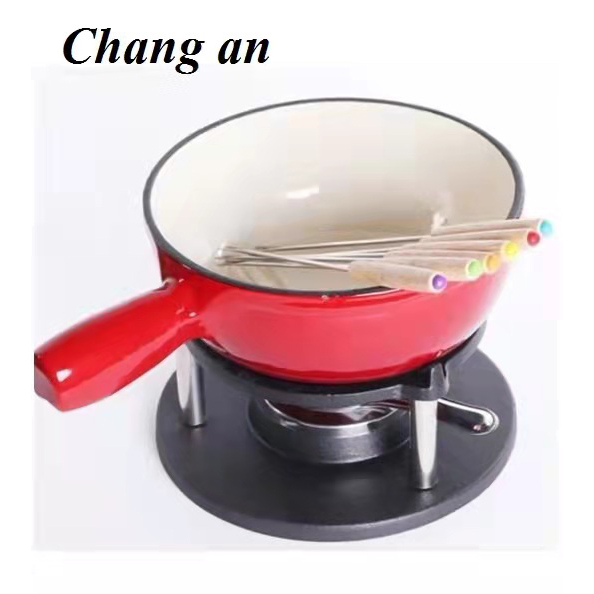

08 — KNOWLEDGE BASE
Common Procurement Inquiries
Technical and commercial answers for cookware importers.
Which certifications are essential for importing cast iron cookware to Ethiopia?
Buyers should look for ISO9001 for quality management and food-grade certifications such as FDA or LFGB to ensure the products are safe for consumer use and compliant with international health standards.
How does highly automatic DISA casting improve product quality?
DISA lines from Germany automate the molding process, which significantly reduces porosity and ensures uniform wall thickness, resulting in superior heat distribution in every skillet or pan.
Can the manufacturer handle large-scale orders for national distribution?
Yes, with a production capacity of over 15 million pieces per year and a workforce of 200 professional workers, the facility is equipped to handle high-volume B2B orders.
What is the difference between standard cast iron and enameled cast iron for commercial use?
Standard cast iron requires seasoning to prevent rust, while enameled surfaces provide a non-reactive barrier that is easier to clean and more resistant to acidic foods, making it ideal for busy kitchens.
How is material purity verified during the production process?
Material purity is verified using an imported BRUKER spectrograph, which analyzes the chemical composition of the iron to ensure no harmful elements are present.
Do you provide customized OEM solutions for regional brands?
With a dedicated R&D team of 30 people, the company can support customized designs to meet the specific ergonomic or aesthetic requirements of a particular market.
PARTNERSHIP
Secure Your Supply Chain for Premium Cookware
Looking for a reliable manufacturing partner for the Africa - Ethiopia market? Our industrial capacity and international certifications ensure your business receives world-grade cast iron products.
Discuss Your Requirements