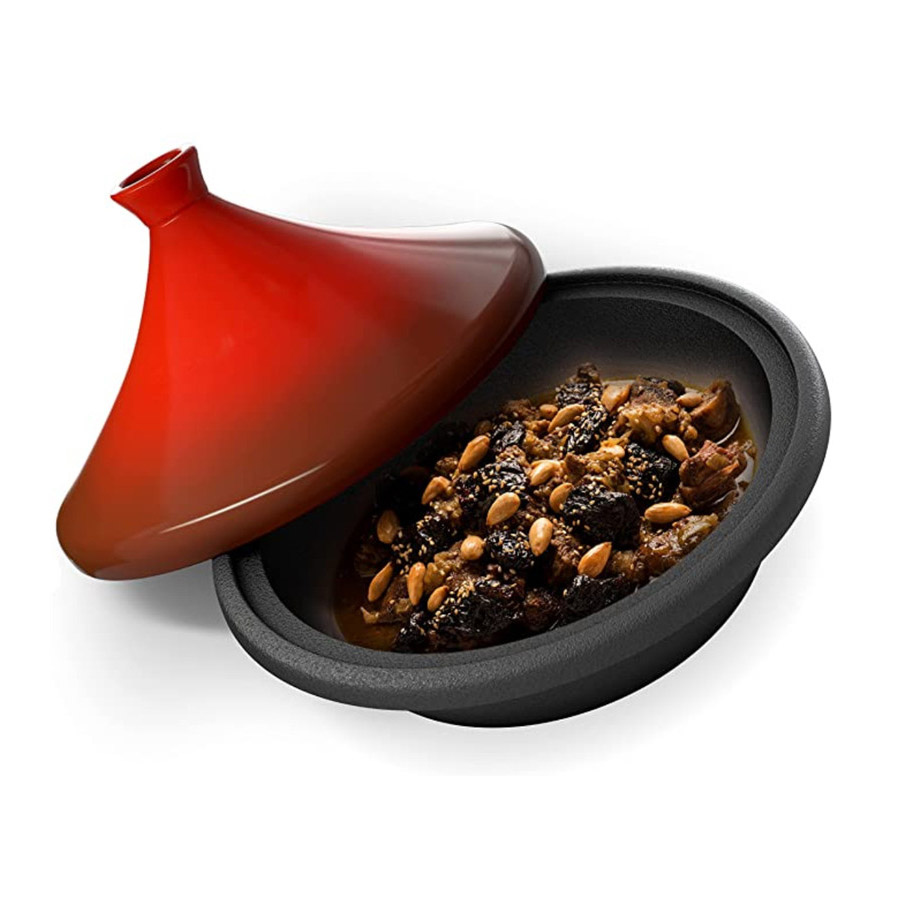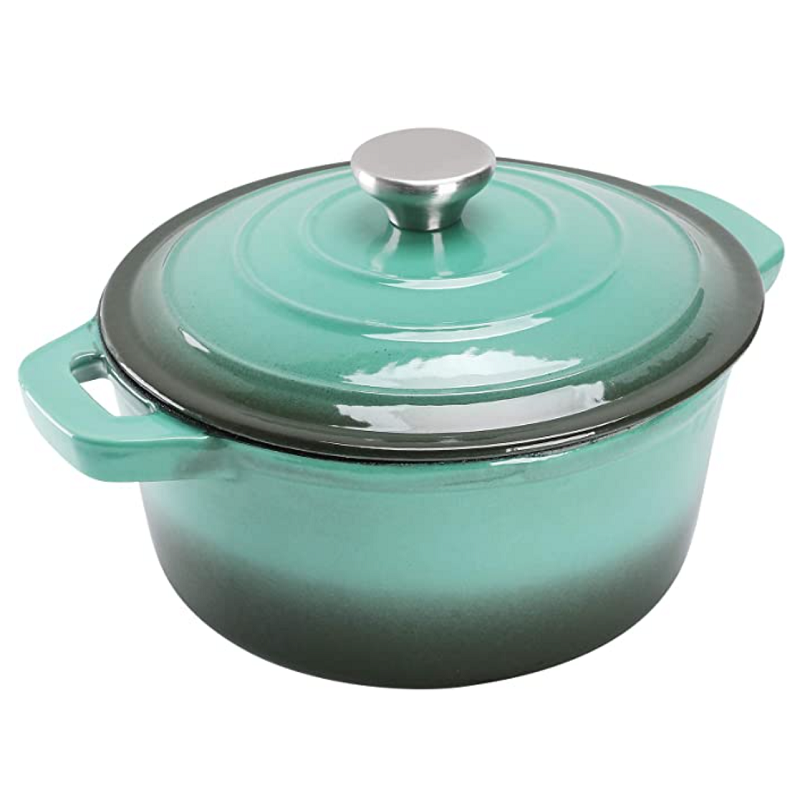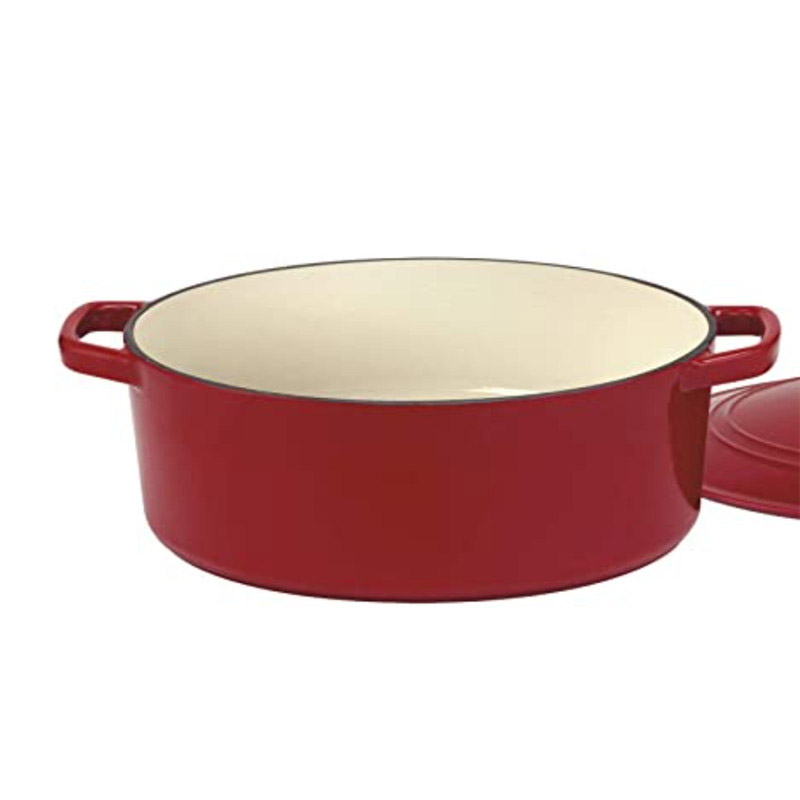
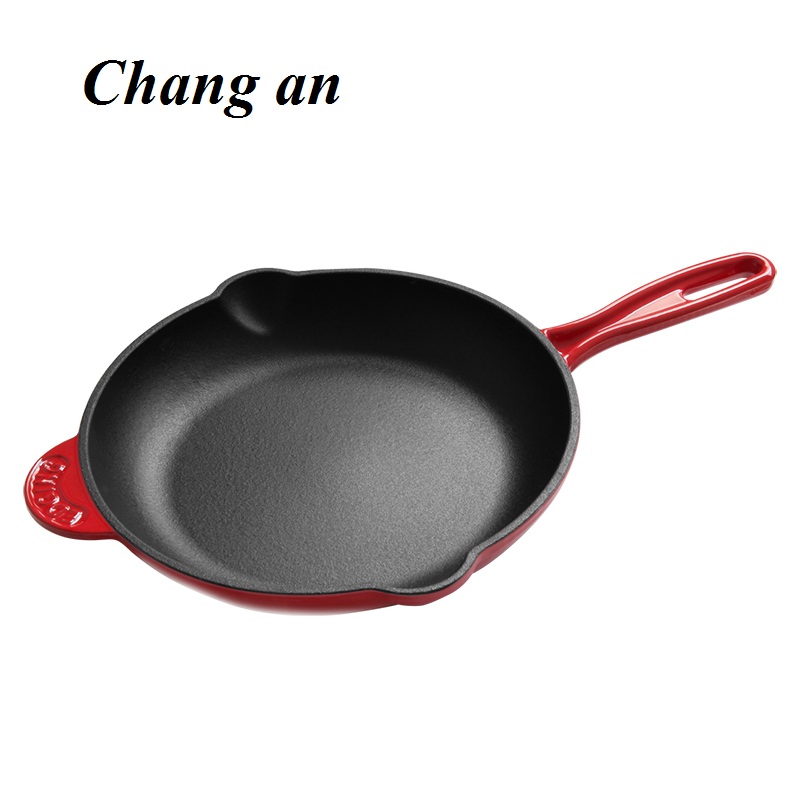
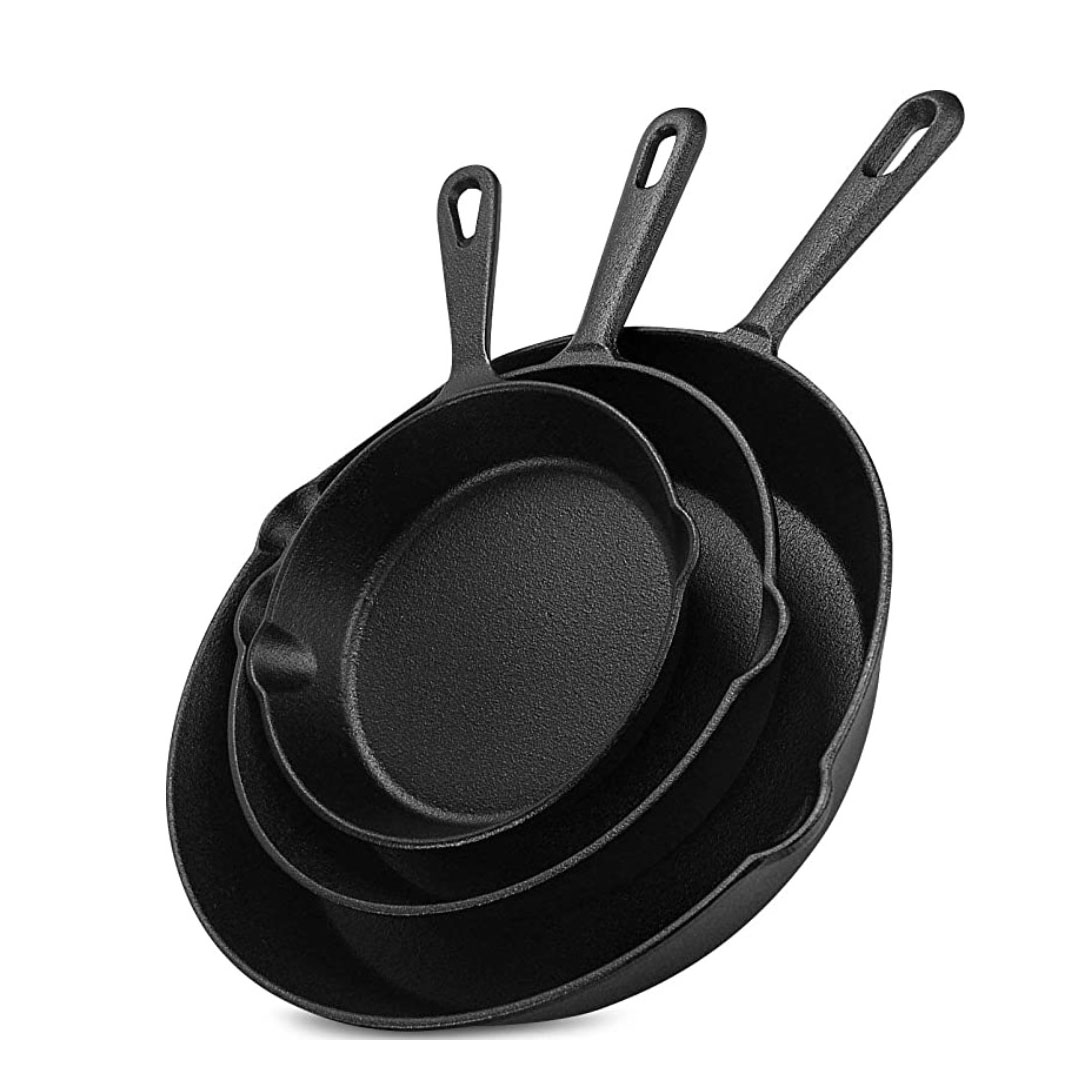
The culinary landscape in Mali is characterized by a blend of traditional open-fire cooking and an emerging modern hospitality sector in urban centers like Bamako. In these environments, a cast iron skillet is highly valued for its ability to maintain stable temperatures across various heat sources, including charcoal and gas. The regional preference for slow-cooked, nutrient-dense meals makes heavy-duty metalware an essential asset for both home cooks and commercial enterprises.
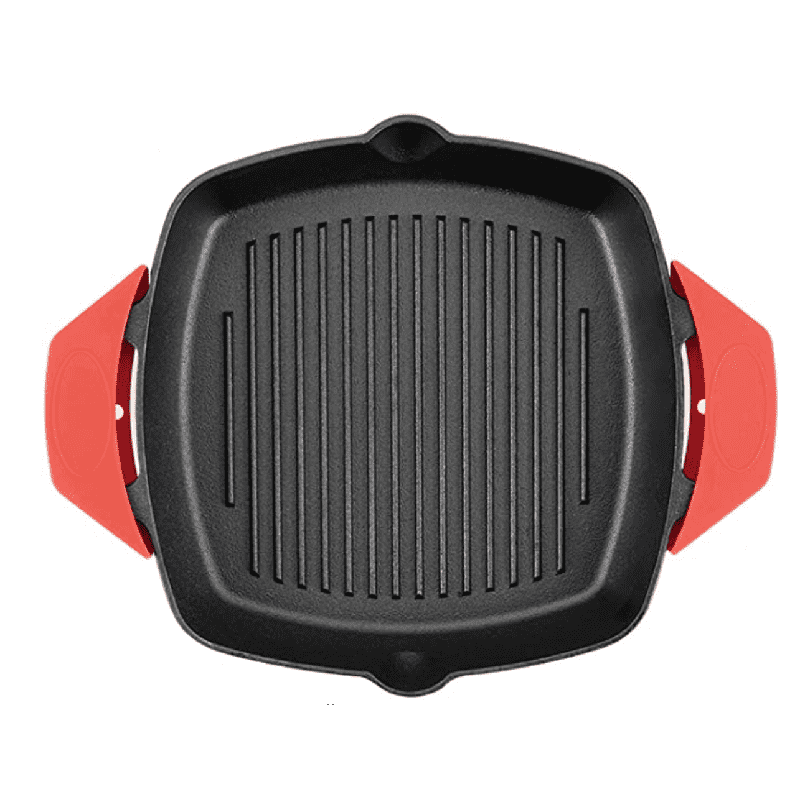
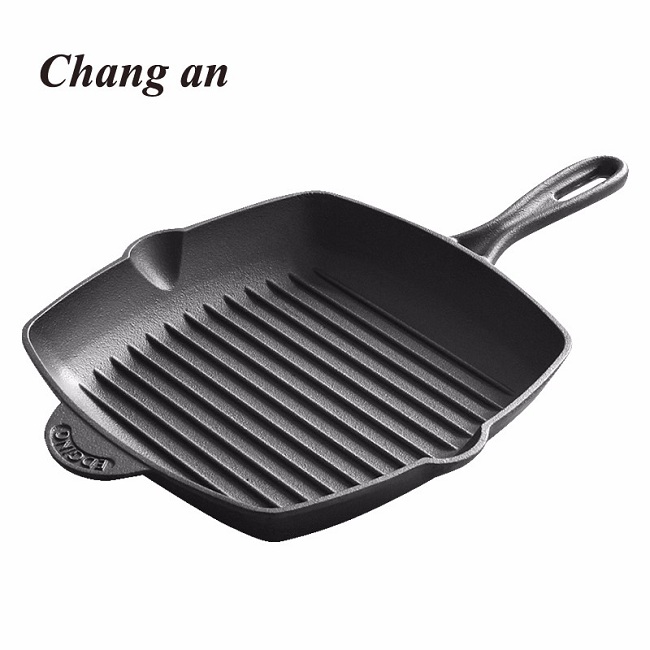
As the food service industry professionalizes, there is a growing shift toward specialized tools. The adoption of a cast iron griddle allows local vendors to scale their operations while ensuring consistent searing and heat distribution. This demand is driven by a need for equipment that can withstand rigorous daily use without warping, a common failure point in thinner, lower-grade aluminum alternatives frequently found in local markets.
From a procurement perspective, importers in Mali prioritize certifications and material purity to ensure consumer health. By adhering to international standards such as FDA and LFGB, manufacturers can provide the necessary assurance for high-volume distribution. The integration of automated production lines ensures that these essential tools meet a level of precision that reduces waste and enhances energy efficiency in kitchens across the region.