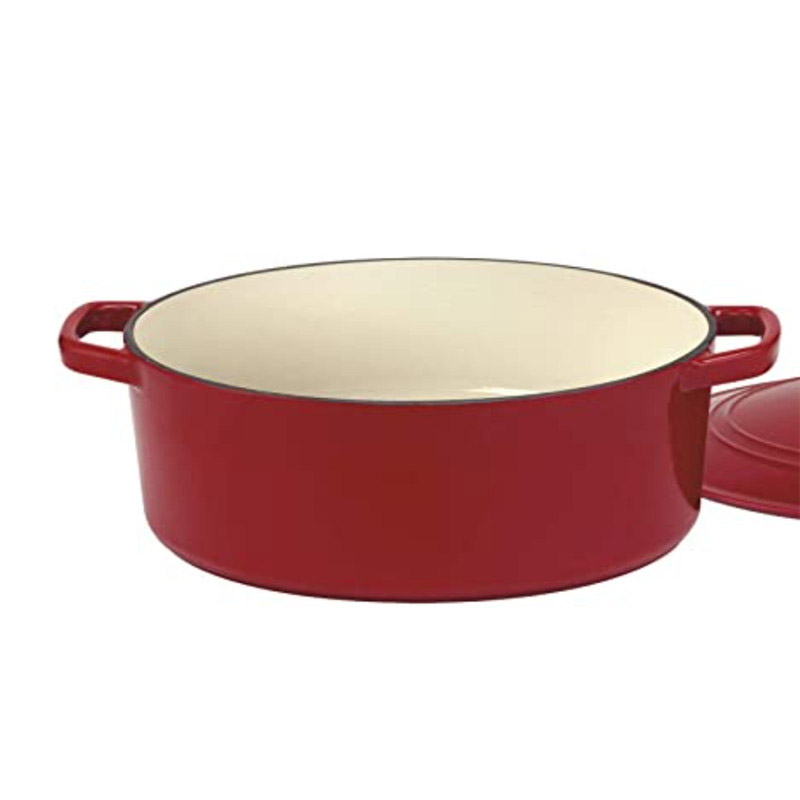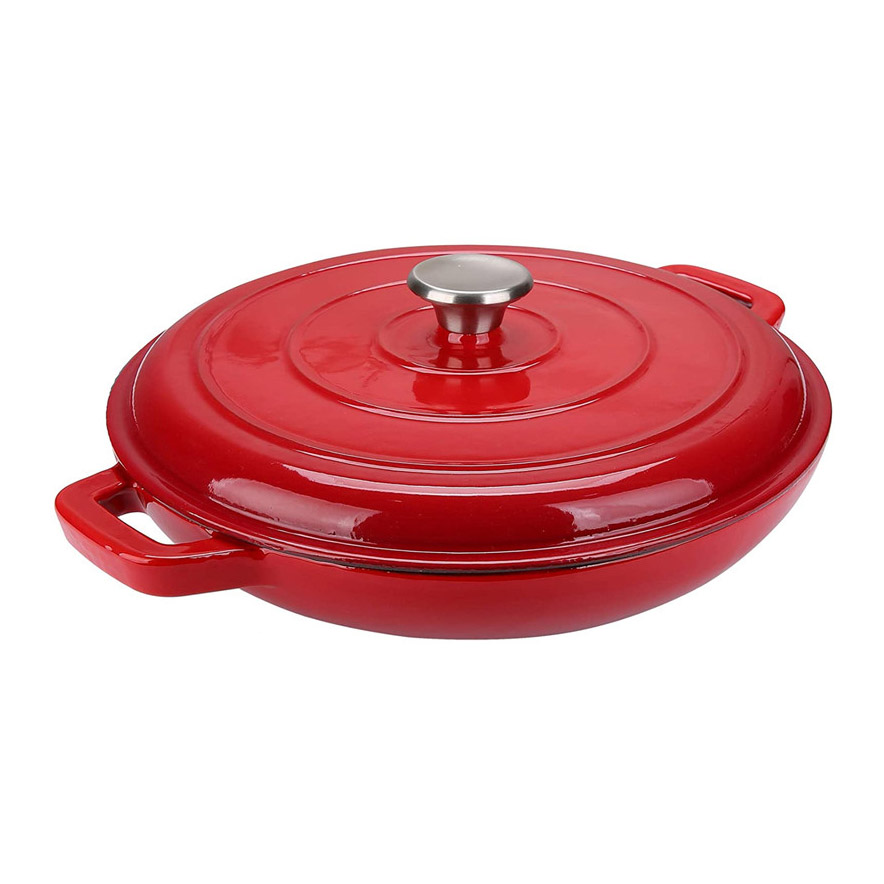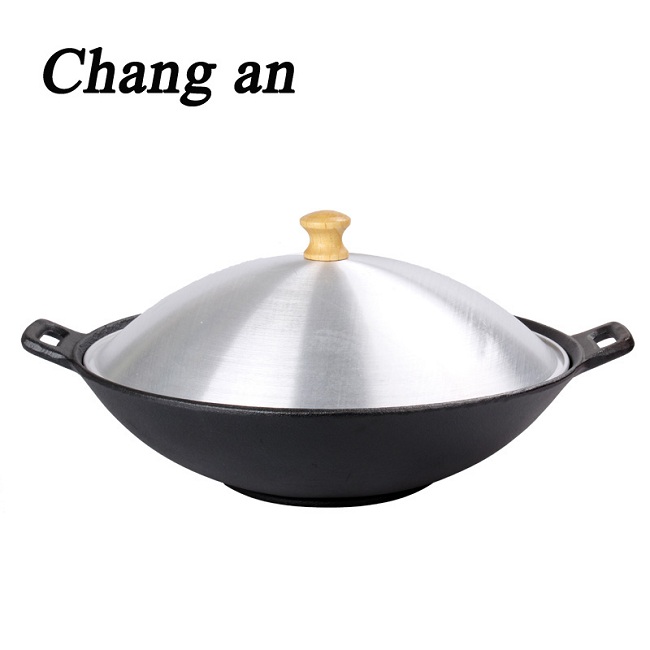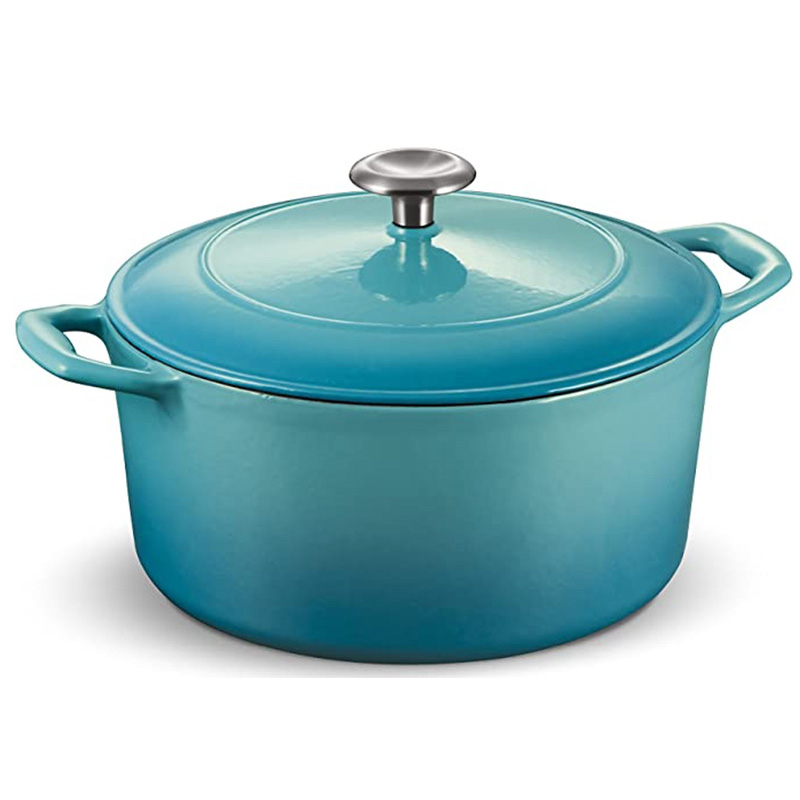

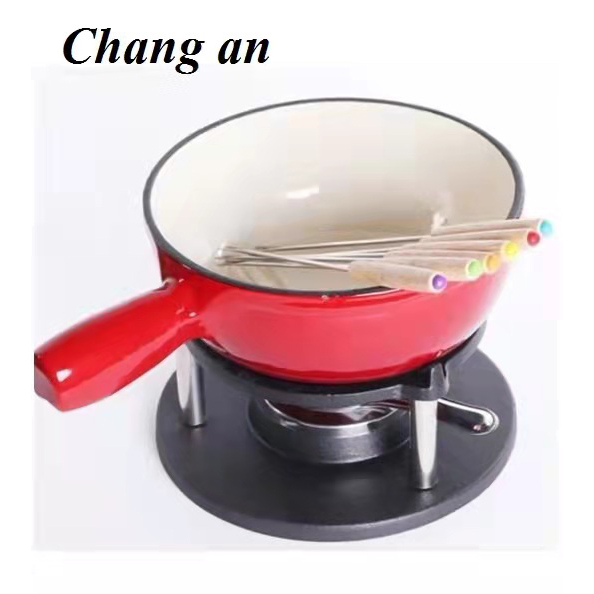
Hungary's culinary landscape maintains a strong preference for materials that support slow-cooking and high-thermal mass, making the cast iron casserole a staple in both domestic kitchens and regional hospitality sectors. The local market is characterized by a demand for longevity and stability, where the industrial capacity to produce precise, heavy-duty metalware is highly valued to meet the rigorous standards of Central European gastronomy.
From a procurement perspective, Hungarian distributors are increasingly seeking a balance between traditional craftsmanship and automated precision. The integration of a cast iron skillet into modern kitchenware sets requires strict adherence to safety certifications like EU LFGB. This shift toward certified, food-grade materials ensures that the cookware can withstand intense heat while remaining chemically inert, reflecting the region's strict health and safety regulations.
As the hospitality sector in urban centers like Budapest evolves, there is a growing trend toward professional-grade equipment that reduces operational costs through durability. Businesses are prioritizing suppliers who utilize advanced casting lines to ensure consistency across large batches. This industrial evolution is driving the adoption of specialized tools like the cast iron grill pan to meet the demands of high-volume searing and grilling in commercial environments.