- 150m Southwards, West DingWei Road, Nanlou Village, Changan Town, GaoCheng Area, Shijiazhuang, HeBei, China
- monica@foundryasia.com
High-Performance Cast Iron Cookware
Precision-engineered cast iron skillet and professional cookware series designed for superior heat retention and durability.
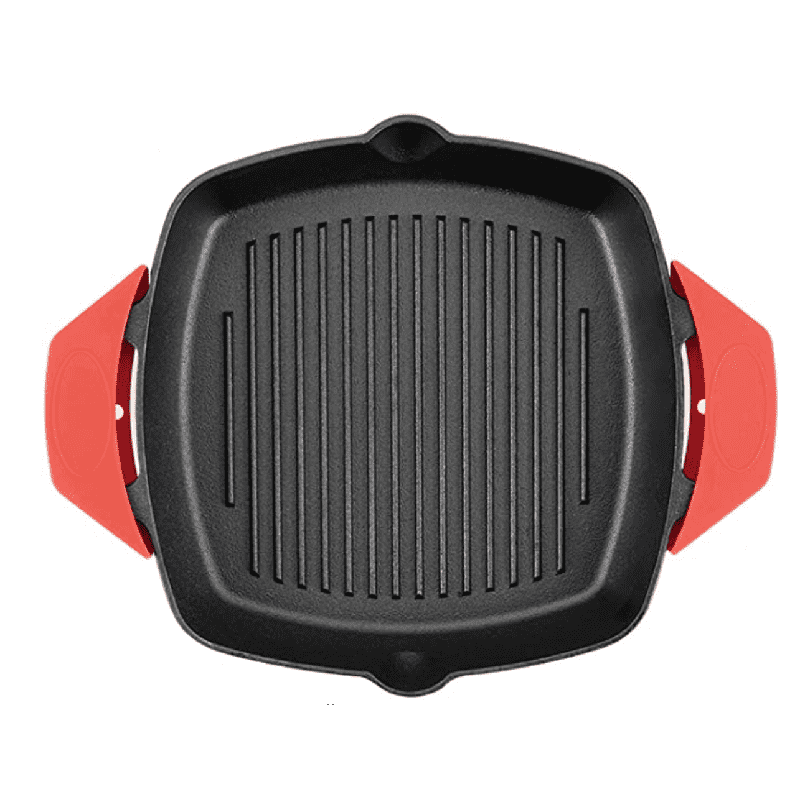
Cast Iron Grill Pan Skillet Square for Stove Top and Oven with Two Silicone Handles
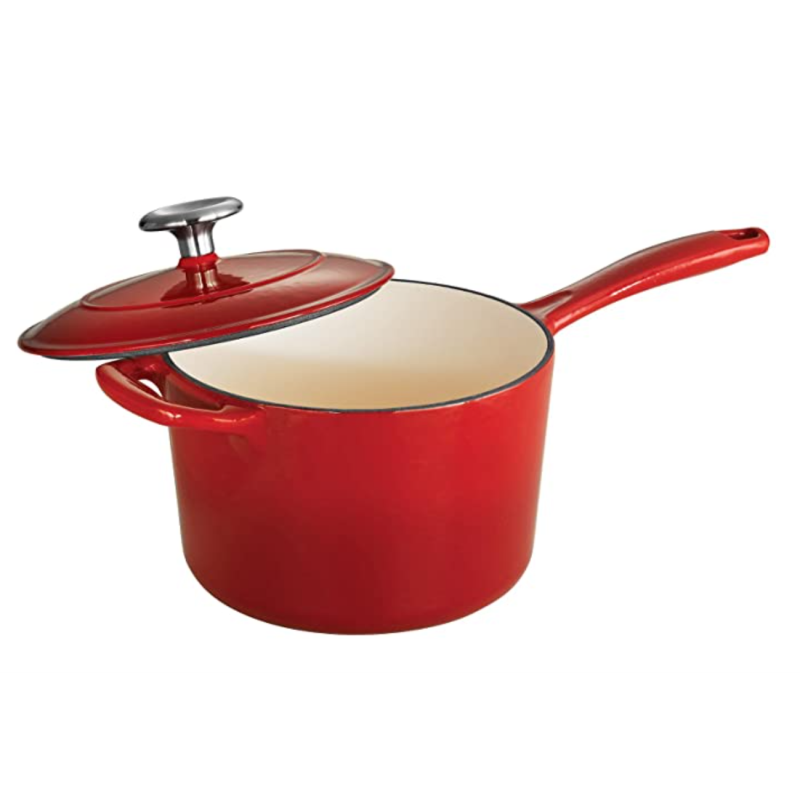
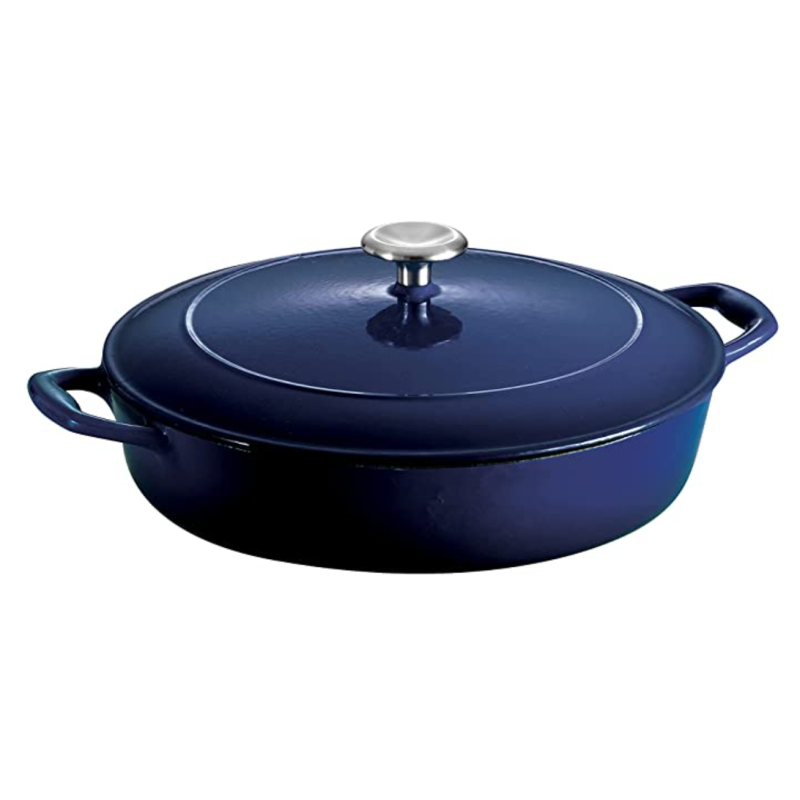
Cast Iron Enamel pot Exclusively for Amazon
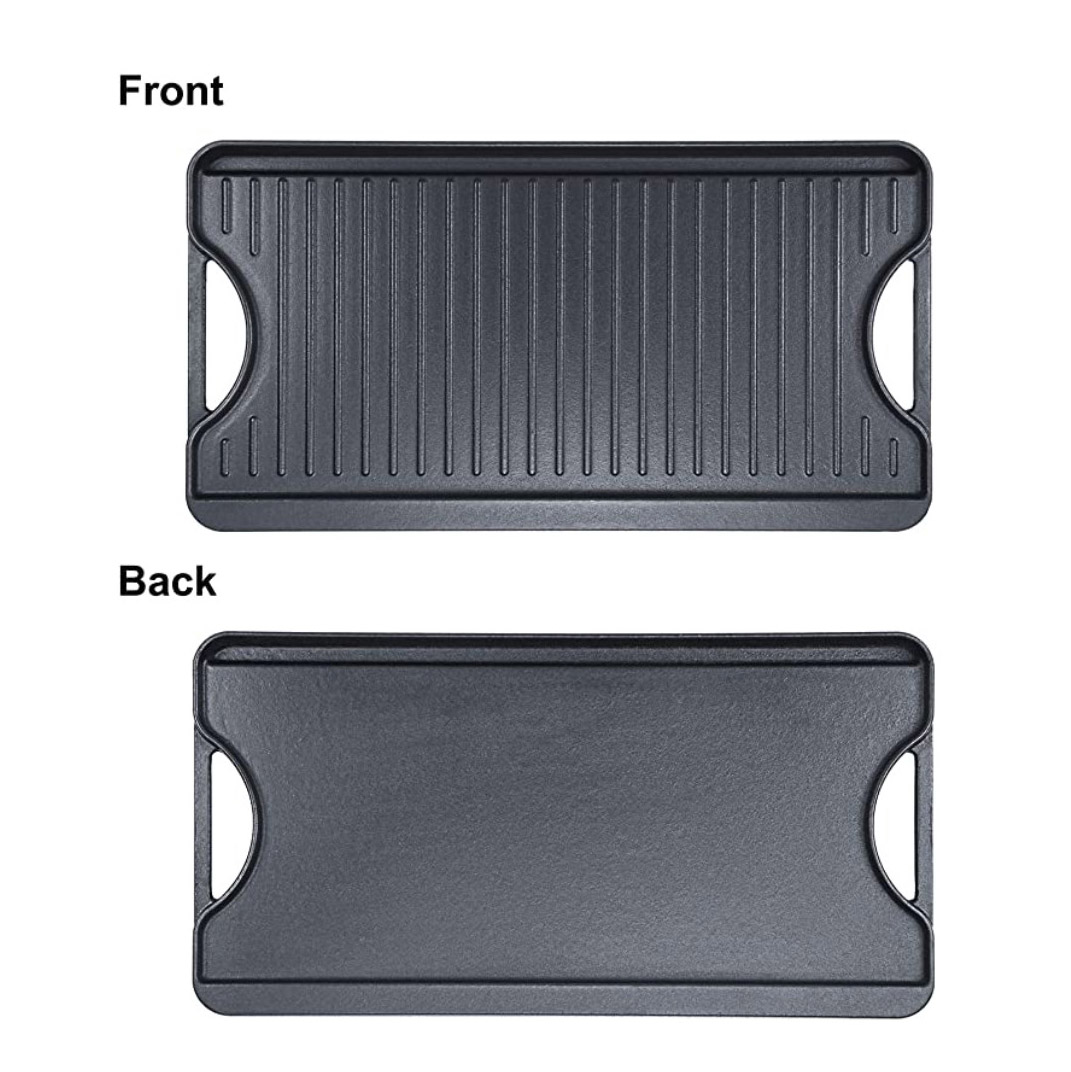
Pre-Seasoned Cast Iron Reversible Grill, Griddle With Handles, 20 Inch x 10.5 Inch
Indonesian Market Analysis for Professional Cookware
Evaluating the intersection of traditional culinary habits and modern industrial kitchen requirements in Indonesia.
The Indonesian culinary landscape is characterized by a diverse range of high-heat cooking techniques. Local buyers in the hospitality sector increasingly prioritize equipment that can withstand intensive use while maintaining consistent temperature, making heavy-duty cast iron an ideal choice for professional environments.
There is a growing demand for hybrid cookware that blends traditional functionality with modern convenience. This includes a shift toward enameled surfaces for easier maintenance in commercial kitchens, reducing the operational overhead associated with traditional seasoning and curing processes.
Procurement in the region is heavily influenced by international safety standards. Importers prioritize manufacturers who possess verifiable FDA and LFGB certifications to ensure that all cookware meets the strict food-grade requirements necessary for high-end retail and hotel distribution.
Evolution of Metalware Manufacturing
Tracing the transition from manual foundry processes to highly automated precision casting.
Production Development Stages
-
Manual Casting Era
Reliance on traditional sand molds and manual pouring, resulting in higher variance in wall thickness and surface finish. -
Semi-Automation Integration
Introduction of standardized molding boxes and basic hydraulic systems to improve consistency and increase output volume. -
Precision Automated Era
Implementation of highly automatic DISA casting lines and digital spectrographs for exact metallurgical control and high-volume efficiency.
Future Manufacturing Trends
- Advanced Surface Engineering — Development of higher-durability enamel coatings that resist thermal shock in commercial settings.
- Supply Chain Optimization — Improving the logistical flow from high-capacity foundries to regional distribution hubs in Southeast Asia.
- Sustainable Casting — Transitioning toward energy-efficient melting processes and recycled raw material integration.
Strategic Industry Outlook
Key drivers shaping the future of professional cast iron cookware distribution.
Technical Precision
Increasing adoption of digital hydraulic universal testing machines to ensure structural integrity under extreme thermal cycles.
Material Optimization
Utilization of BRUKER spectrographs for precise alloy composition, enhancing the non-stick properties of natural seasoning.
Compliance Rigor
Stricter adherence to ISO 04531-2018 and BSCI certifications to meet global ethical and quality procurement standards.
Customization Demand
Rising requirement for bespoke cookware dimensions and weights tailored to regional culinary tools.
Commercial Influence and Market Trajectory
The trajectory for professional cookware in the Indonesian market is moving toward high-capacity, high-standard imports. As the local F&B sector expands, the demand for equipment that minimizes replacement frequency through sheer durability is paramount.
From a business perspective, the integration of highly automated casting lines allows for a stable supply chain, ensuring that large-scale hotel chains and retail distributors can maintain inventory without quality fluctuations.
Industrial Applications and Usage Scenarios
How professional cast iron solutions are implemented across different operational environments.
1
High-Volume Commercial Kitchens
Using a cast iron griddle for consistent searing of proteins in busy breakfast and brunch bistros where heat recovery time is critical.
2
Slow-Cooking Hospitality Suites
Implementing the cast iron casserole for oven-to-table service in upscale resorts, leveraging superior heat retention for slow-braised regional dishes.
3
Specialty Stir-Fry Stations
Deploying an enameled cast iron wok in modern fusion restaurants to achieve high-heat "wok hei" while benefiting from the easy-clean properties of enamel.
4
Outdoor Culinary Events
Utilizing a cast iron grill pan for open-fire catering and food festivals, where rugged durability is required for irregular heat sources.
5
Premium Retail Distribution
Supplying a curated range of professional skillets to high-end homeware stores, targeting the growing segment of home chefs who demand industrial-grade performance.
Manufacturing Excellence: Hebei Chang'an Spheroidal Iron Casting Co., Ltd.
A legacy of precision casting and global quality compliance.
10
2010
Company Foundation
Established in Shijiazhuang city, Hebei province, spanning 40,000 square meters to create a specialized hub for high-quality cast iron production.
Cap
Capability Expansion
Technological Integration
Acquisition of 2 highly automatic DISA casting lines from Germany and BRUKER spectrographs, scaling annual capacity to over 15 million pieces.
Cert
Global Certification
Quality Standards Achievement
Attainment of ISO9001, BSCI, FDA (USA & Korea), and EU LFGB certifications, enabling partnerships with top brands across Europe, USA, and Japan.
Cookware Solutions for Indonesia Industry Requirements
Explore our full range of industrial-grade cast iron grill pan and casserole series designed for professional use.


Cast Iron Procurement FAQ for Indonesia
Expert answers regarding technical selection, safety compliance, and sourcing.
How do I choose between a regular cast iron skillet and an enameled one for commercial use?
Selection depends on the operational priority. Traditional cast iron is preferred for high-heat searing and longevity if a dedicated seasoning protocol is in place. Enameled versions are recommended for kitchens requiring faster turnover and easier cleaning, as they do not require seasoning and are non-reactive to acidic foods.
Which certifications are necessary for importing cookware into the Indonesian market?
For high-end commercial and retail distribution, FDA (USA) and LFGB (EU) certifications are the gold standards for food safety. Additionally, ISO9001 ensures consistent manufacturing quality, while BSCI certification confirms ethical social compliance in the production facility.
Can these products handle the high-temperature requirements of traditional Indonesian cooking?
Yes. Our products are manufactured using precision casting and tested with hydraulic universal testing machines to ensure they can withstand extreme thermal stress and high-heat environments without warping or cracking.
What is the benefit of using DISA casting lines for cookware?
DISA lines provide highly automatic, high-precision molding. This results in superior dimensional accuracy, consistent wall thickness, and a smoother surface finish compared to manual casting, which directly improves the heat distribution of the cookware.
How does the company ensure the metallurgical purity of the iron?
We utilize an imported BRUKER spectrograph to analyze the chemical composition of the raw materials and the final cast. This ensures that the alloy is free from impurities and meets the exact specifications required for food-grade cookware.
Is customized production available for large-scale Indonesian distributors?
Yes. With an annual capacity of over 15 million pieces and a dedicated R&D team of 30 people, we can accommodate customized specifications and high-volume orders to meet specific regional brand requirements.
Consult Our Casting Experts for Your Indonesia Project
Discuss your technical requirements, volume needs, and regional compliance standards with our engineering team to optimize your cookware procurement.
Contact Us Now