
Regional Analysis
The Cast Iron Market in East Africa
Analyzing the demand for professional metalware in the Kenyan market.
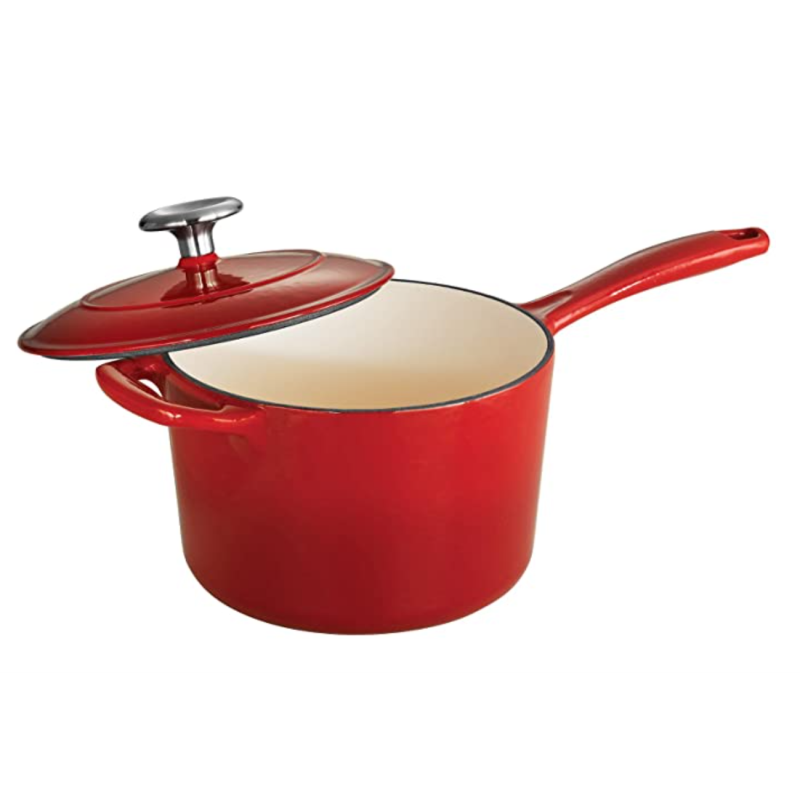
Kenya's hospitality sector, particularly in Nairobi and Mombasa, is experiencing a surge in demand for durable cookware that can withstand high-volume commercial use. The local market is characterized by a transition from traditional cooking methods to modern, high-efficiency equipment. In this environment, cast iron casserole pots are increasingly favored for their superior heat retention, which is critical for slow-cooking traditional stews and meats in professional hotel kitchens.
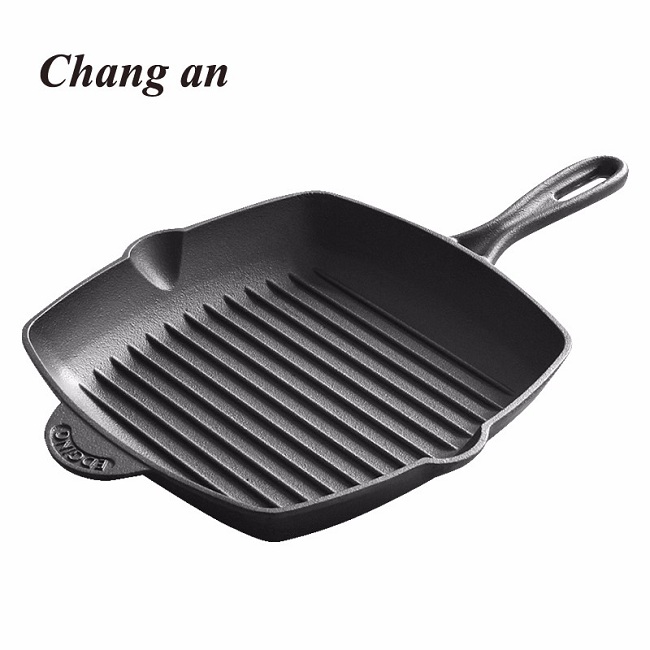
Current trends show a shift toward health-conscious cooking, driving the adoption of enameled surfaces that eliminate the need for synthetic non-stick coatings. Kenyan consumers are becoming more aware of food safety certifications, leading to a preference for products with FDA and LFGB approval. Additionally, the growth of the "farm-to-table" dining experience in urban centers has increased the demand for aesthetically pleasing and functional cast iron grill pan units that can move from stove to table.
Despite the growing demand, the primary constraint remains the lack of consistent, high-quality supply. Many distributors rely on small-batch imports that lack technical standardization. This presents a significant opportunity for manufacturers who can offer both massive scale and certified quality. The outlook for the Kenyan market is positive, with an expected increase in professional cookware adoption as the middle class expands and the tourism sector continues its post-pandemic recovery.
Industry Evolution
Evolution of Cast Iron Manufacturing
From manual sand casting to automated high-precision production.
Early Phase
Manual Casting
Traditional methods relied on manual molding, resulting in high porosity and inconsistent thickness across cookware batches.
2010 - 2018
Industrialization
Introduction of automatic vertical parting-type injection lines improved consistency and significantly increased annual output volumes.
Current Era
Precision Automation
Implementation of German DISA lines and BRUKER spectrography allows for molecular-level quality control and perfect geometry.
Material Science Integration
The focus has shifted from simple iron casting to optimizing the spheroidal graphite structure, reducing brittleness and improving the thermal conductivity of the cookware.
Surface Engineering
Modern production now emphasizes the synergy between the cast iron core and the enamel layer, ensuring high adhesion to prevent chipping during heavy commercial use.
Compliance-Driven Design
Manufacturing processes are now designed around global safety standards (FDA/LFGB), ensuring that cookware is chemically inert and safe for all food types.
Future Outlook
Global Trends in Cast Iron Cookware
How technology and consumer behavior are reshaping the industry.
Automation in Casting
The adoption of high-speed automatic casting lines reduces human error and ensures every cast iron griddle has identical specifications.
Enameled Hybridization
Merging traditional cast iron with modern vitreous enamel allows for acidic food cooking without seasoning, increasing the versatility of the cookware.
Sustainable Sourcing
Industries are moving toward recycled iron scrap and energy-efficient melting furnaces to reduce the carbon footprint of heavy metalware production.
Ergonomic Redesign
New designs focus on reducing overall weight without sacrificing heat retention, making large pans easier to handle in high-pressure kitchen environments.
The convergence of automated production and strict certification is creating a new standard for the global cookware industry. By implementing German DISA technology, manufacturers can now achieve a level of consistency that was previously impossible. This shift is particularly impactful for B2B clients in East Africa, who require products that can endure the rigorous cycles of heating and cooling typical of commercial use without warping or cracking.
Furthermore, the integration of specialized enamel lines has revolutionized the maintenance of cast iron. The transition from traditional seasoning—which requires significant time and skill—to enameled surfaces allows for a wider range of culinary applications, including the use of tomato-based sauces and other acidic ingredients, which previously reacted with raw iron. This evolution ensures that professional cookware remains functional, safe, and visually appealing over years of service.
Practical Applications
Cast Iron in Kenyan Business Contexts
How our cookware solves real-world operational problems.
01
Luxury Hotel Kitchens in Nairobi
In high-end hotels, chefs require precise temperature control for searing meats. By using a professional cast iron grill pan, kitchens can achieve consistent Maillard reactions across all servings. Our DISA-casted pans ensure no warping occurs even under extreme heat, maintaining a flat surface for perfect grill marks and efficient oil drainage.
02
Coastal Resorts in Mombasa
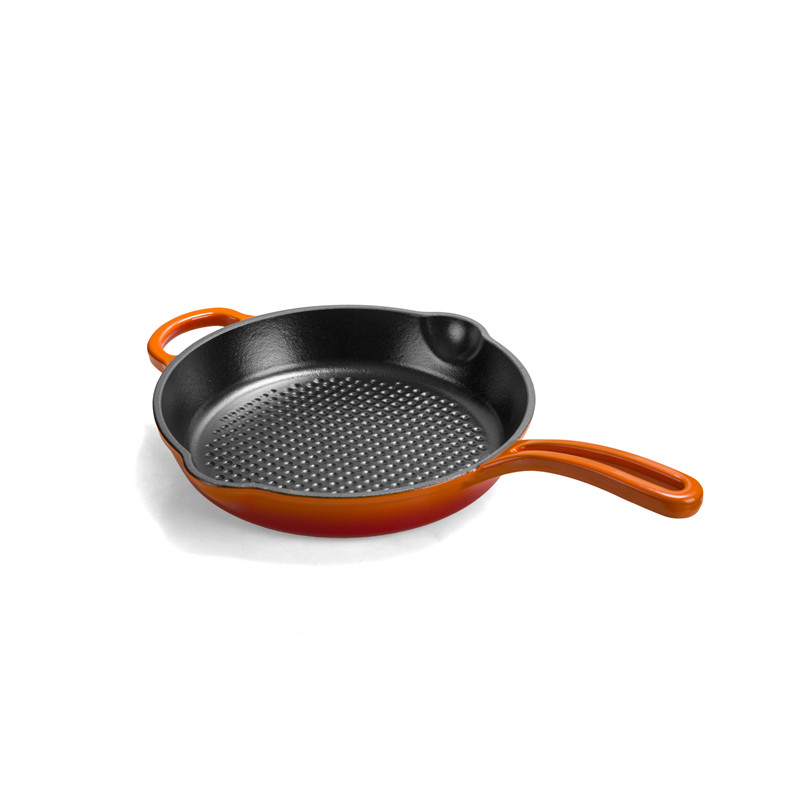
The high humidity and salt air of the coast accelerate rust in traditional iron. Using an enameled cast iron wok provides a protective glass-like coating that resists corrosion. This reduces the maintenance burden on resort staff and ensures that the cookware remains food-safe and aesthetically clean for open-kitchen displays.
03
Boutique Cafes in Eldoret
Small-scale cafes often use cast iron for slow-cooked breakfast dishes. Our cast iron casserole units allow these establishments to cook food in the kitchen and serve it directly on the table. The high thermal mass keeps the food warm throughout the meal, enhancing the customer experience without requiring additional heating elements.
04
Retail Kitchenware Distributors
Wholesalers in Kenya often struggle with product returns due to quality variance. By partnering with an ISO9001 certified manufacturer, distributors can offer a guaranteed standard of quality. Our rigorous testing with hydraulic universal machines ensures that every piece delivered is free of structural defects, reducing return rates and increasing dealer trust.
05
Culinary Training Institutes
Students in professional cooking schools need durable equipment that introduces them to industrial standards. Our range of cast iron tools provides a reliable learning platform. Because our products pass FDA and LFGB tests, they serve as an example of international compliance and quality control for the next generation of Kenyan chefs.
Representative Scenarios
Operational Perspectives
Illustrative outcomes based on typical professional deployments.
Implementing high-precision cast iron cookware significantly reduced the incidence of unevenly cooked proteins. The consistency in heat distribution allowed for a more streamlined kitchen workflow and reduced food waste during peak hours in a commercial setting.
The transition to enameled cast iron solutions solved the chronic rust issues associated with coastal humidity. It eliminated the need for constant re-seasoning and ensured a food-safe surface that met all health department requirements without failure.
Sourcing from a manufacturer with ISO and FDA certifications provided the necessary assurance for large-scale retail distribution. The ability to rely on a consistent annual capacity of millions of pieces ensured no stock-outs during high-demand seasons.
Our Heritage
Hebei Chang'an Casting Legacy
Combining traditional craftsmanship with modern German engineering.
2010
Company Establishment
Founded in Shijiazhuang city, Hebei province, covering 40,000 square meters. We began with a vision to bring industrial-grade precision to the home and commercial cookware market.
Expansion Phase
Technology Upgrade
Invested in 2 highly automatic DISA casting lines from Germany and automatic vertical parting-type box-free injection melding lines to achieve world-class precision.
Quality Milestone
Global Certification
Achieved ISO9001 and BSCI certifications. Our products passed the ISO 04531-2018 test and received FDA and EU LFGB certifications for global export.
Present
Global Market Presence
Supplying top brands across USA, Britain, France, Germany, and Japan, while expanding our reach into the African market with 15 million pieces annual capacity.
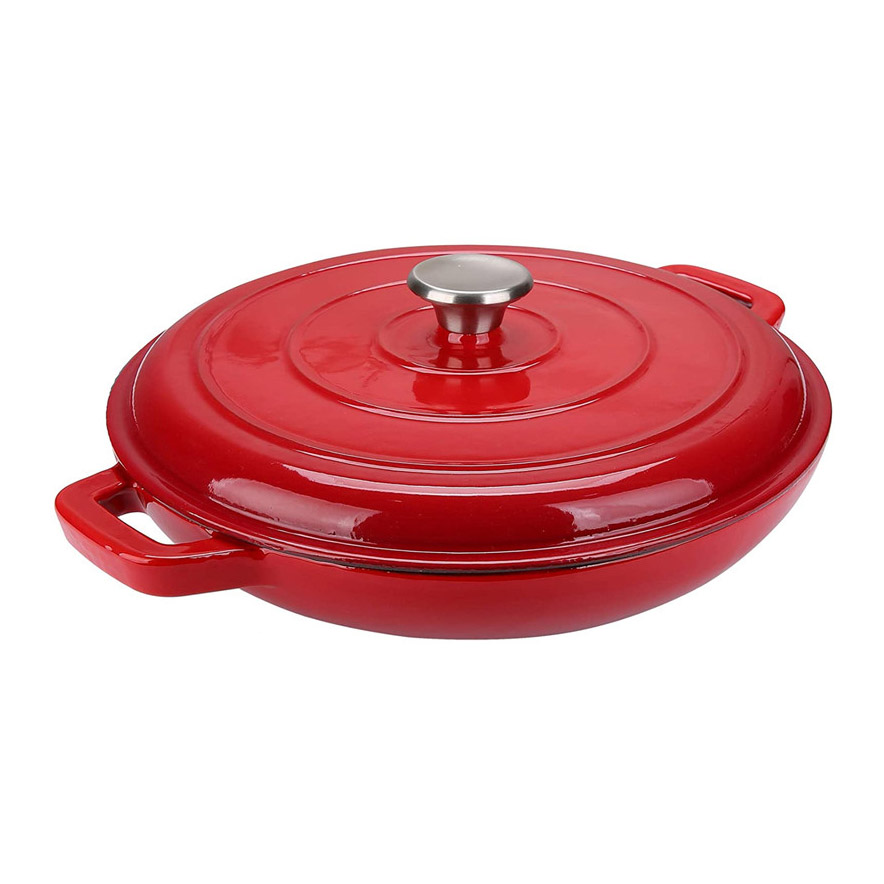
Enameled Cast-Iron Round Braiser
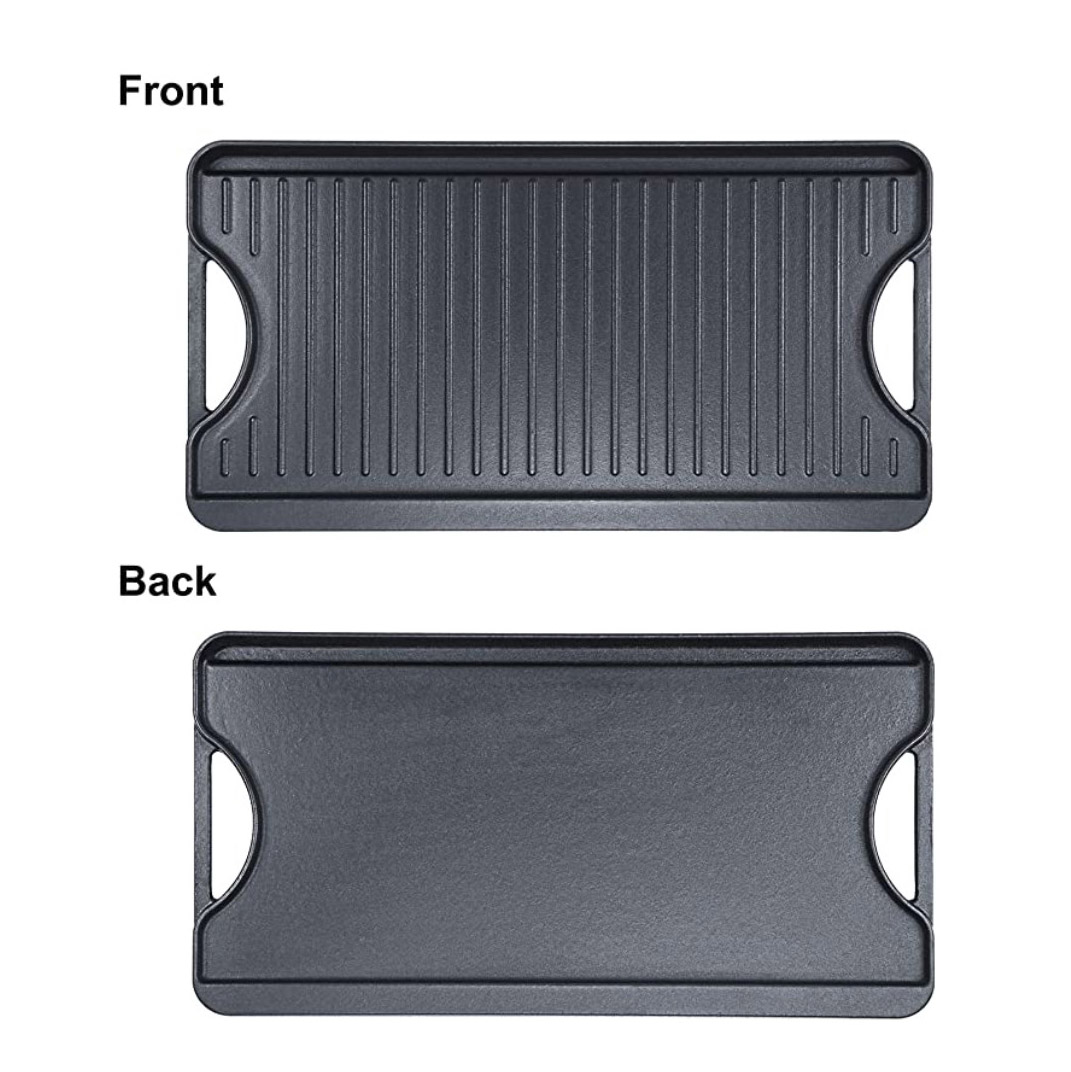
Pre-Seasoned Cast Iron Reversible Grill, Griddle With Handles, 20 Inch x 10.5 Inch

Pre-Seasoned Cast Iron Pizza Pan

Pre-seasoned cast iron skillet
Common Inquiries
Cast Iron Cookware Guide
Expert answers to technical and commercial questions.
What is the primary advantage of using DISA casting for cookware?
DISA casting is a high-speed, automated molding process that ensures exceptional dimensional accuracy and uniformity in the iron's structure. For the user, this means the cookware has a perfectly flat base and consistent wall thickness, which prevents the "hot spots" common in manual castings. This results in more even heat distribution and better energy efficiency during cooking.
How do enameled cast iron products differ from traditional seasoned iron?
Traditional cast iron requires "seasoning" (layers of baked-on oil) to create a non-stick surface and prevent rust. Enameled cookware uses a vitreous glass coating fused to the iron. This coating is naturally non-reactive, meaning you can cook acidic foods like tomato sauces without damaging the pan, and it completely eliminates the risk of rust, making it ideal for humid environments like Mombasa.
Are your products compliant with international food safety standards for Kenyan imports?
Yes, all our cookware is manufactured under ISO9001 quality systems and holds certifications including USA FDA, EU LFGB, and Korea FDA. Additionally, our products pass the ISO 04531-2018 test. These certifications ensure that the materials used are food-grade and free from hazardous lead or cadmium, meeting the strict import requirements of the Kenyan Bureau of Standards.
Can your factory handle large-scale B2B orders for nationwide distribution in Kenya?
Absolutely. With an annual production capacity exceeding 15 million pieces and a 40,000 square meter facility, we are equipped for high-volume wholesale orders. Our use of automatic injection melding lines and multiple enamel lines allows us to scale production rapidly while maintaining a strict quality control process verified by BRUKER spectrography.
What maintenance is required for professional-grade cast iron in commercial kitchens?
For raw cast iron, regular seasoning is required after cleaning. For our enameled range, maintenance is significantly simpler: gentle scrubbing with soap and water is usually sufficient. In commercial settings, we recommend avoiding metal utensils on enameled surfaces to prevent scratching the glass coating, ensuring the pan maintains its performance and appearance for years.
How do I begin the process of importing your cookware for my business in Kenya?
The first step is to define your product requirements—such as the mix of skillets, griddles, and casseroles—and the desired volume. You can then contact us via our official contact page. We will provide technical specifications, certification documents for customs clearance, and a quotation based on your order volume and shipping requirements to Kenya.
Partner With Us
Upgrade Your Kitchenware Supply Chain in Kenya
Whether you are a hotel procurement manager in Nairobi or a kitchenware wholesaler looking for certified, high-capacity manufacturing, Hebei Chang'an provides the industrial scale and German precision your business deserves. Let's discuss how our 15-million-piece annual capacity can stabilize your inventory and elevate your product quality across Kenya.
Discuss Your Requirements