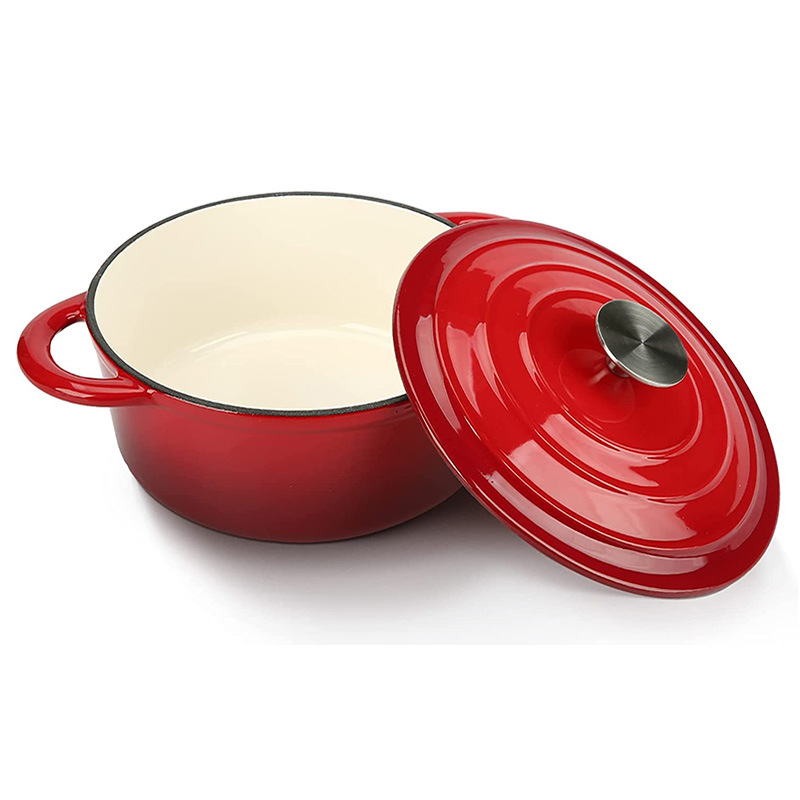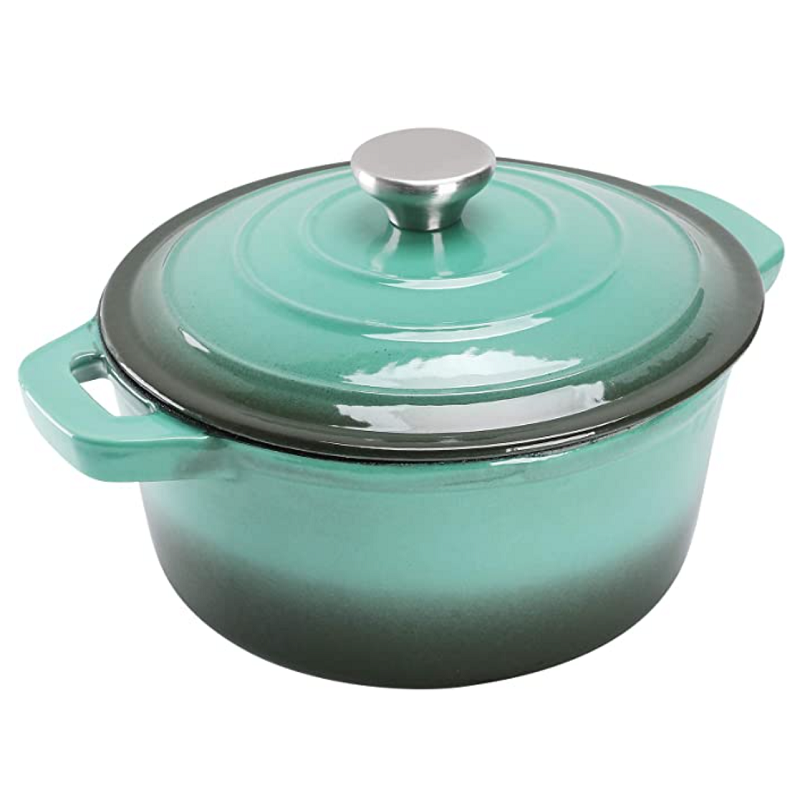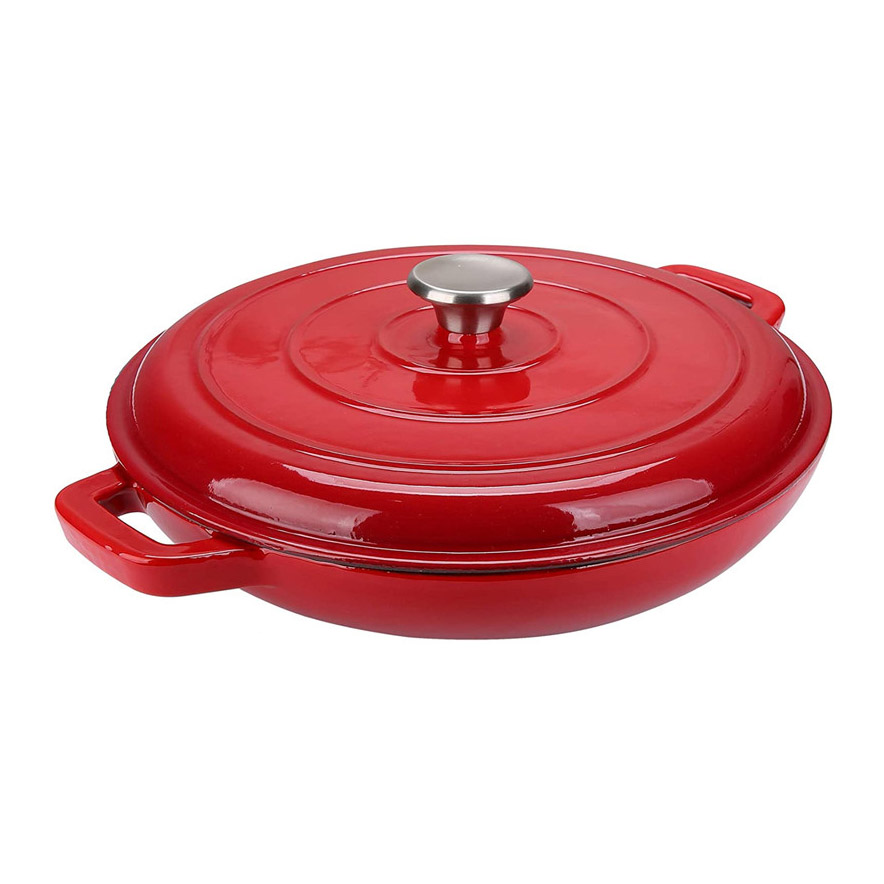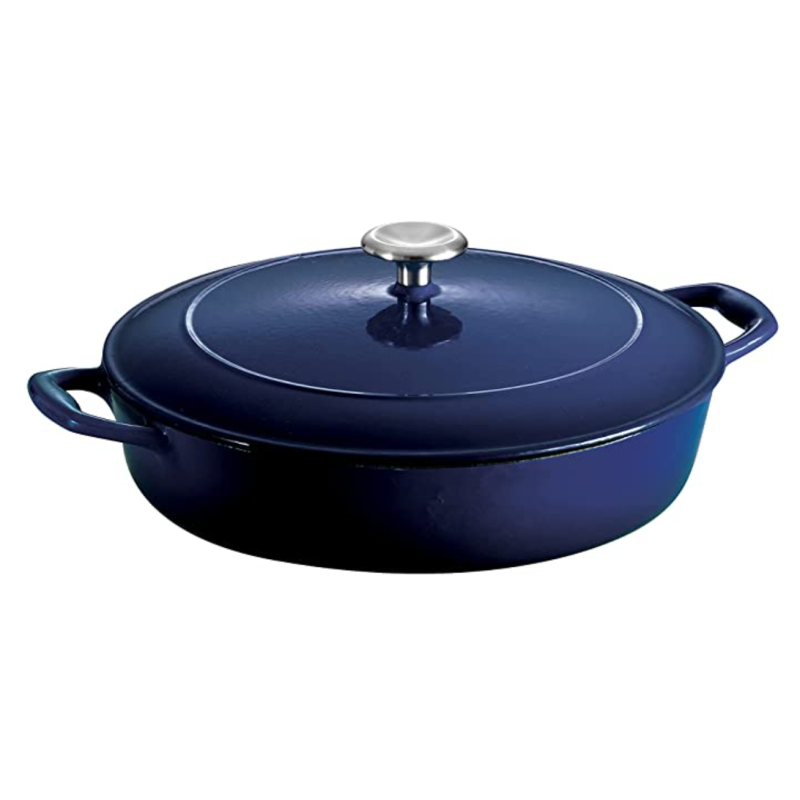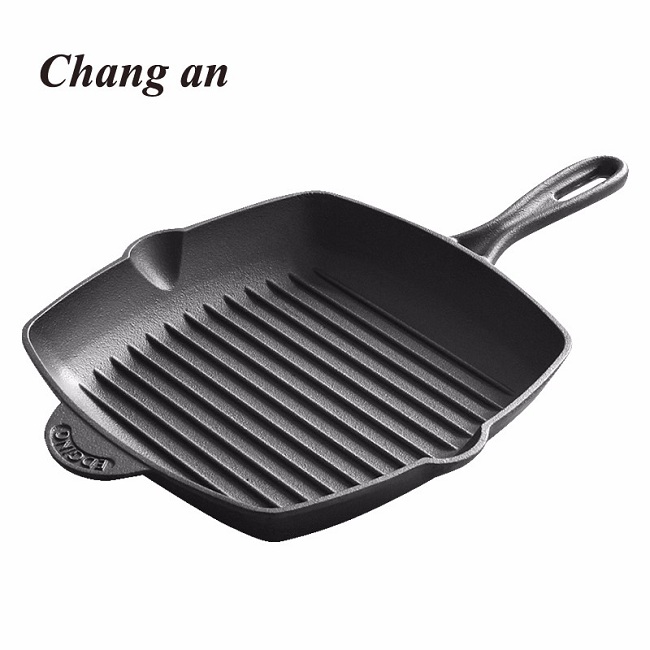
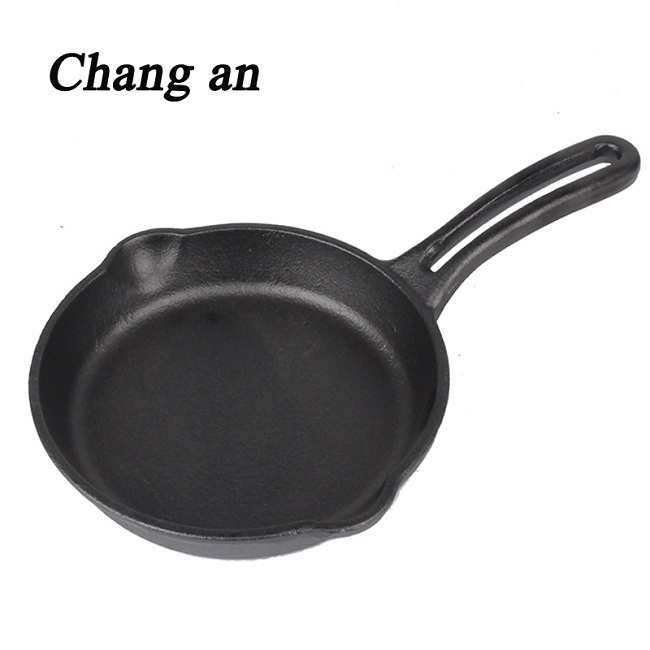

The commercial landscape in Equatorial Guinea is characterized by a unique blend of coastal urban growth and traditional culinary practices. In cities like Malabo and Bata, there is an increasing demand for robust equipment capable of handling high-volume cooking. The adoption of a cast iron skillet has become a priority for local eateries and hotels that require consistent heat distribution and the ability to sear meats effectively, reflecting a shift toward more durable, professional-grade materials in the region's gastronomy sector.
From a procurement perspective, buyers in the region are moving away from lightweight alternatives in favor of longevity. A cast iron griddle offers the stability needed for traditional breakfast and street-food preparations, which are central to the local economy. The current trend shows that commercial kitchens are seeking products that can withstand intense use without warping, emphasizing the need for high-density casting and precision finishing to reduce replacement costs over time.
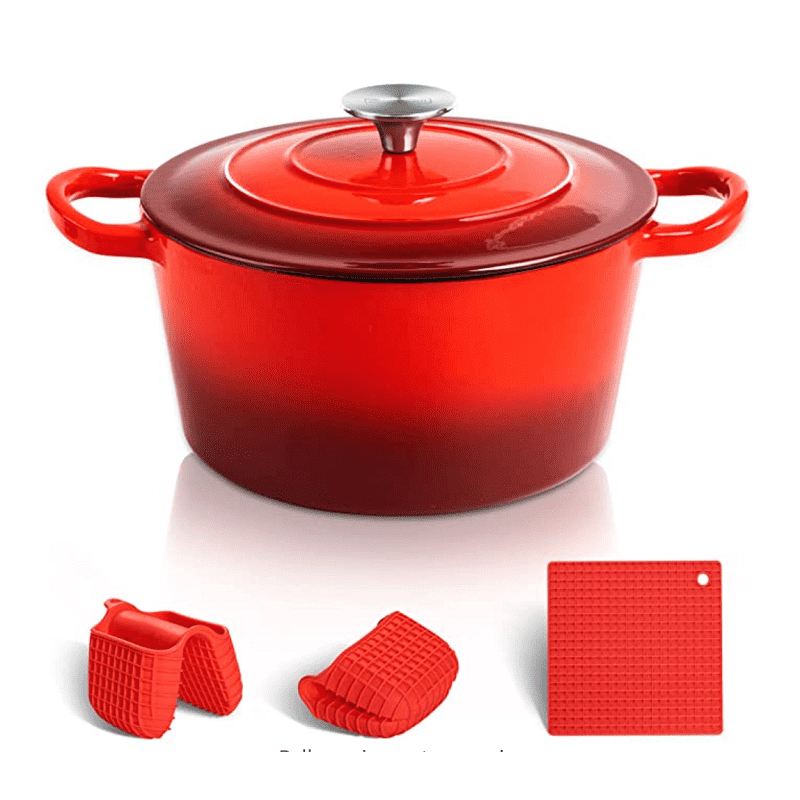
Industry evolution in the regional metal products sector suggests a growing preference for specialized tools. For instance, the use of an enameled cast iron wok is emerging as a solution for kitchens blending international techniques with local flavors, providing the non-reactive surface required for acidic ingredients while maintaining the thermal mass of traditional iron. This transition toward specialized cookware indicates a maturing market that values technical specifications over simple availability.